2025 How to Make Labels: A Complete Guide for Easy Label Creation
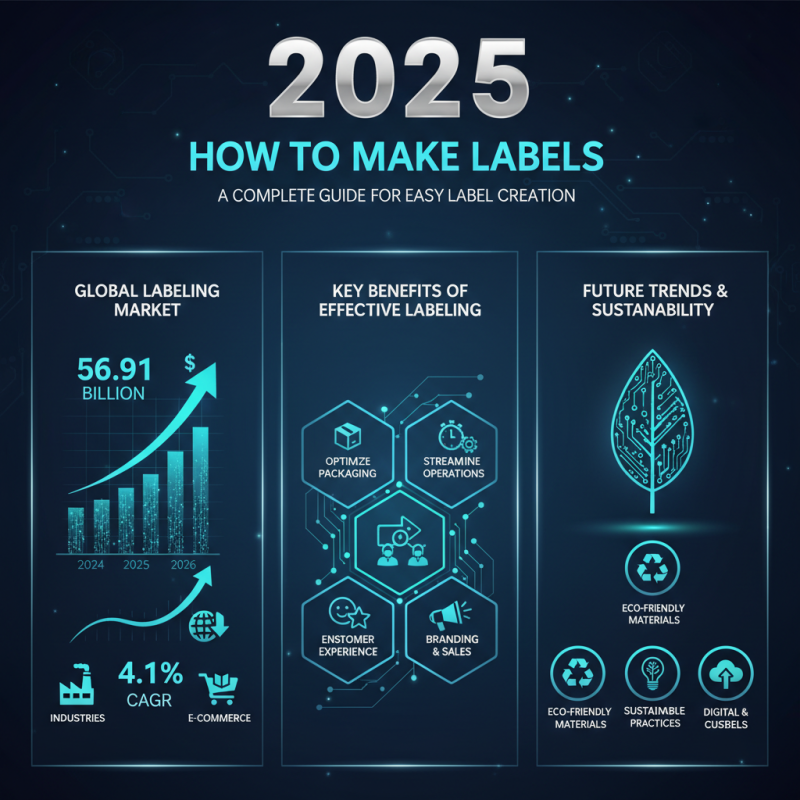
In today's fast-paced world, the demand for efficient and effective labeling solutions is more critical than ever. The global labeling market is projected to reach USD 56.91 billion by 2026, growing at a CAGR of 4.1%, according to a report by MarketsandMarkets. As businesses across various industries strive to optimize their packaging, streamline their operations, and enhance customer experiences, the ability to make labels that meet specific requirements becomes a vital skill. With the rise of e-commerce and the necessity for clear, customizable labeling solutions, understanding how to make labels effectively has far-reaching implications.
From product packaging to organizational needs, the art and science of label creation play a pivotal role in communication and branding. A well-designed label not only provides essential information but also enhances visibility and appeal, affecting consumer choices and driving sales. Moreover, as sustainability becomes a significant factor in consumer decision-making, many businesses are exploring eco-friendly labeling options, reflecting an industry-wide shift towards more sustainable practices. By mastering the techniques outlined in this guide, individuals and businesses alike can harness the power of labels to elevate their marketing strategies and operational efficiencies.
Understanding the Basics of Label Types and Their Uses in 2025
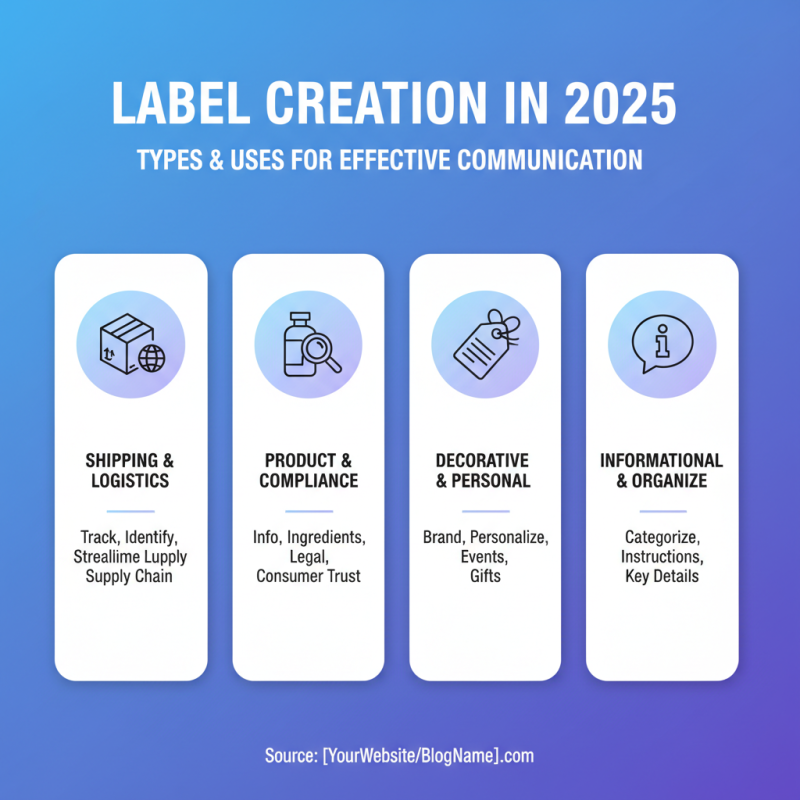
When it comes to label creation in 2025, understanding the various types of labels and their uses is essential for effective communication and organization. Labels can range from shipping and product labels to decorative and informational tags. Each type serves a unique purpose, whether it’s enhancing branding, providing essential information, or streamlining logistics. For example, product labels are vital for compliance and consumer education, while decorative labels are perfect for personalizing gifts or events.
Tips: Before starting your label project, consider the material you want to use. Different materials provide different finishes and durability; for instance, waterproof materials are ideal for items exposed to the elements, whereas paper labels might suit indoor settings better. Additionally, think about the size and shape of your labels, as these can impact how much information you can convey and the overall aesthetics of your design.
In 2025, technology has also transformed label creation, making it easier than ever to design and print personalized labels at home or in the office. With various software options available, you can experiment with colors, fonts, and layouts to create labels that not only inform but also appeal visually. Remember to review your designs carefully; even small adjustments can significantly enhance the final product's impact.
Essential Tools and Software for Efficient Label Creation
Creating labels efficiently requires the right tools and software. According to a recent industry report, the global labeling machinery market is projected to reach $6.33 billion by 2026, highlighting the growing importance of effective labeling solutions across various sectors. Businesses, from small startups to large corporations, are increasingly recognizing the value of investing in advanced label creation technologies to enhance productivity and maintain competitive advantage.
Essential software for label creation includes graphic design programs that allow users to customize labels with precision. Cloud-based solutions are gaining popularity due to their accessibility and collaborative features, enabling teams to work together seamlessly, irrespective of their locations. A study indicates that 70% of companies have adopted cloud solutions to streamline their workflows, including label production. Furthermore, label design software often comes equipped with templates that comply with industry standards, ensuring that labels not only look professional but also meet regulatory requirements. This blend of creativity and compliance is crucial for businesses aiming to stand out in today's cluttered marketplace.
Label Creation Tools Usage in 2025
Step-by-Step Guide to Designing Labels for Different Industries
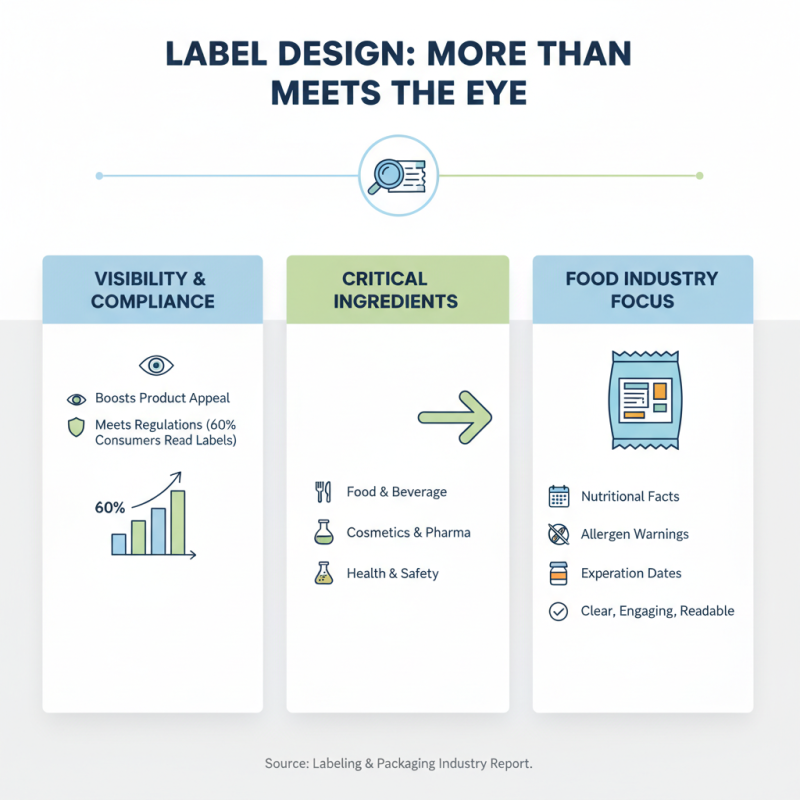
Designing labels is a critical process across various industries, from food and beverage to cosmetics and pharmaceuticals. A well-crafted label not only enhances product visibility but also ensures compliance with safety and regulatory standards. According to the Labeling and Packaging Industry Report, approximately 60% of consumers read labels before making a purchase, highlighting the importance of effective label design. For the food industry, where food safety and ingredient transparency are paramount, labels must clearly communicate all necessary information. This includes nutritional facts, allergen warnings, and expiration dates, all laid out in an engaging and easy-to-read format.
In sectors like cosmetics and personal care, labels must convey brand identity while adhering to strict regulations regarding ingredient disclosure. The Cosmetic Products Regulation mandates clear labeling of ingredients, making it crucial for companies to utilize design templates that allow for quick updates as formulations change. Research shows that brands that prioritize clear and attractive labeling can increase customer loyalty by as much as 30%, as consumers seek products that not only look good but also provide transparency. By following a step-by-step guide to label design tailored to industry-specific requirements, companies can effectively communicate their product's value and ensure compliance while attracting and retaining customers.
Best Practices for Label Printing: Choosing the Right Material and Printer
When it comes to label printing, selecting the right material and printer is crucial for achieving high-quality results. Industry reports indicate that around 48% of consumers evaluate product quality based on packaging, making it vital for businesses to invest in durable and visually appealing label materials. Common options include paper, vinyl, and polyester, each offering unique benefits. For instance, paper labels are cost-effective and suitable for indoor use, while vinyl labels are more resilient and ideal for outdoor applications where exposure to moisture and UV light can be a concern.
In terms of printers, businesses often face the choice between inkjet and thermal printing technologies. According to the latest market analysis, thermal printers can produce a higher volume of labels more quickly and with less waste, making them an ideal option for companies with high printing demands. Reports also show that thermal printing can reduce overall material costs by up to 20% due to less ink consumption and fewer printer jams. Ultimately, aligning the choice of label material and printer with specific business needs can lead to enhanced branding and customer satisfaction.
Tips for Complying with Labeling Regulations and Standards in 2025
In 2025, the landscape of labeling regulations is becoming increasingly intricate, necessitating a thorough understanding of compliance to ensure successful label creation. A significant study by the International Labeling Association indicates that nearly 70% of businesses report challenges in keeping up with evolving labeling standards. This statistic underscores the necessity for companies to stay informed about updates in labeling laws, especially concerning environmental claims and health information disclosures. Compliance not only avoids potential penalties but also builds trust with consumers who are increasingly critical of product transparency.
Moreover, manufacturers must align their labels with the latest guidelines set forth by governing bodies. For instance, the FDA plans to implement stricter regulations concerning nutritional label formats by mid-2025, which includes clearer presentation of serving sizes and calorie information. A survey by the Consumer Product Safety Commission highlights that products adhering to updated labeling requirements often see a 20% increase in consumer trust and purchase likelihood. Businesses should invest in regular training for their teams on these regulations, as well as utilize digital resources to ensure that their labeling practices are not just compliant but also resonate with the consumer's demand for clarity and honesty.