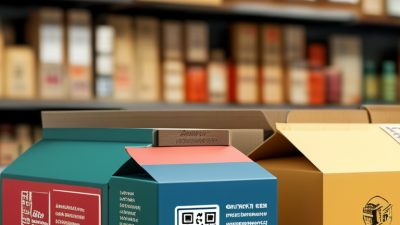
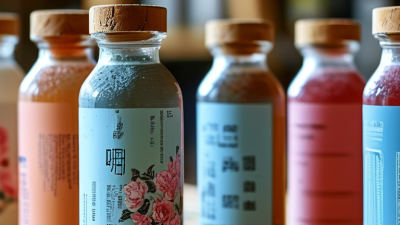
| Paper Labels |
Wood-pulp paper face stock with permanent, removable, or repositionable adhesive.
Available in coated, uncoated, textured, and specialty grades.
|
- Retail price and product information
- Cartons, shipping boxes, and general packaging
- Office files, shelf identification, and promotional labels
- Short-term food and consumer-goods applications
|
- Usually the most economical option
- Good ink absorption and easy writing
- Available in many sizes, colors, and surface finishes
- Suitable for high-volume everyday labeling
|
- Uncoated paper is generally easier to recycle than laminated constructions.
- Paper labels should be matched with compatible packaging and adhesive systems.
- Moisture-resistant coatings and mixed-material laminates may reduce recyclability.
|
Generally low to moderate; best for dry indoor conditions and limited exposure to moisture, abrasion, or chemicals.
|
Flexographic, offset, digital inkjet, digital toner, and thermal transfer printing.
|
Confirm paper weight, coating, adhesive performance, roll or sheet format, print resolution, and resistance to humidity.
|
| Film Labels |
Synthetic face stocks such as polypropylene, polyethylene, or polyester, combined with an adhesive selected for the application.
|
- Beverage, personal-care, and household-product packaging
- Outdoor equipment and industrial identification
- Freezer, refrigerated, and moisture-exposed products
- Durable asset, warning, and compliance labels
|
- High resistance to water, tearing, and abrasion
- Good dimensional stability for demanding applications
- Can provide clear, white, metallic, or high-gloss appearances
- Suitable for curved containers when the correct film and adhesive are selected
|
- Plastic film may require specialized recycling streams.
- Film, adhesive, liner, and laminate choices affect end-of-life recovery.
- For recyclable packaging, verify compatibility with the package recycling system and local requirements.
|
Moderate to very high, depending on film type, adhesive, ink, laminate, temperature, chemicals, and UV exposure.
|
Flexographic, gravure, screen, digital inkjet, digital toner, and thermal transfer printing.
|
Check film thickness, operating temperature, chemical resistance, conformability, adhesive compatibility, and outdoor-life requirements.
|
| Direct Thermal Labels |
Heat-sensitive coated paper or synthetic material that forms an image when exposed to a heated printhead; no ink ribbon is required.
|
- Shipping and logistics labels
- Retail receipts, weighing, and price labels
- Temporary warehouse and inventory identification
- Healthcare and event labels with short or controlled life cycles
|
- Simple printer operation without a ribbon
- Fast, clean, and cost-efficient for variable information
- Well suited to barcodes, dates, quantities, and tracking data
- Easy integration with automated labeling systems
|
- Material selection should consider thermal-coating chemistry and disposal requirements.
- Some thermal coatings may create challenges for specific paper-recycling processes.
- Use supplier documentation when regulatory or food-contact requirements apply.
|
Usually short to medium term; image stability can be affected by heat, sunlight, plasticizers, oils, and friction.
|
Direct thermal printing only; suitable for monochrome variable-data output.
|
Confirm image life, resistance to heat and sunlight, core size, roll dimensions, printer compatibility, and barcode readability.
|
| Thermal Transfer Labels |
Paper or synthetic label stock printed with a heated ribbon that transfers ink onto the label surface.
|
- Product identification and serialized inventory
- Warehouse, pallet, and shipping labels requiring longer image life
- Industrial parts, cables, laboratory samples, and containers
- Applications exposed to abrasion, chemicals, or changing temperatures
|
- Longer-lasting images than many direct thermal constructions
- Supports paper, polyester, polypropylene, and other stocks
- Good barcode density and variable-data performance
- Ribbon selection can be matched to abrasion, solvent, and heat requirements
|
- Paper constructions are commonly easier to manage in established paper-recycling systems.
- Used ribbons and synthetic label materials require appropriate waste handling.
- Adhesive and liner choices should be evaluated with the final package or asset.
|
Medium to very high, depending on the label stock, ribbon formulation, laminate, and exposure conditions.
|
Thermal transfer printing with wax, wax-resin, or resin ribbon formulations.
|
Match the ribbon to the face stock, printer speed, printhead setting, barcode grade, chemical exposure, and service temperature.
|
| RFID Labels |
A label structure containing an electronic inlay with an antenna and integrated circuit, usually combined with paper or film face stock.
|
- Inventory visibility and automated stock counting
- Supply-chain, pallet, carton, and case tracking
- Reusable asset and returnable-container management
- Access control, authentication, and item-level identification
|
- Enables contactless identification without line-of-sight scanning
- Supports bulk reading and automated data capture
- Can combine printed human-readable information with electronic data
- Reduces manual scanning in suitable workflows
|
- Electronic components can complicate recycling when attached to packaging.
- For recyclable packaging, consider removable, separable, or recycling-compatible constructions.
- Metal and liquid contents can affect read performance and may require specialized inlay designs.
|
Medium to high; the label material may be durable, but read range depends on frequency, orientation, reader setup, and surrounding materials.
|
Thermal transfer or digital printing for visible information; RFID encoding is performed by compatible encoding equipment.
|
Verify operating frequency, memory capacity, read/write requirements, encoding position, attachment surface, data-security needs, and regional compliance.
|
| Digitally Printed Labels |
Labels produced from digital artwork without conventional printing plates; commonly printed on paper, film, or specialty substrates.
|
- Short and medium production runs
- Multiple designs, languages, or regional versions
- Variable data, personalization, serialization, and QR codes
- Product trials, seasonal packaging, and rapid design changes
|
- Low setup requirements and quick artwork changes
- Cost-effective for versioning and moderate quantities
- Supports full-color graphics and variable-data printing
- Useful for testing demand before large-scale production
|
- Environmental performance depends mainly on the substrate, ink, coating, laminate, and liner.
- Uncoated or recyclable constructions may simplify end-of-life handling.
- Ask for information about ink compatibility, de-inking, and package-recycling requirements where relevant.
|
Low to high, depending on the chosen paper or film substrate, ink system, coating, and laminate.
|
Digital inkjet, electrophotographic toner, and hybrid digital processes.
|
Confirm color requirements, substrate compatibility, minimum order quantity, variable-data workflow, finishing options, and proofing standards.
|