
2026 Top Extrusion Machine Parts Suppliers Worldwide?
Choosing dependable Extrusion Machine Parts suppliers in 2026 requires more than comparing catalogs or advertised prices. A modern extrusion line depends on small details: screw-flight geometry, barrel hardness, heater response, die alignment, and sensor accuracy. One worn component can create uneven melt pressure, surface defects, or costly production pauses. This introduction examines leading suppliers worldwide through practical criteria, including manufacturing experience, material compatibility, quality control, customization, delivery capability, and after-sales support.
Dr. Tim A. Osswald, a respected polymer processing researcher, has emphasized, “A reliable extrusion line begins with understanding the material, not merely selecting the machine.” That principle remains important. Suppliers should explain why a specific alloy, coating, screw profile, or temperature controller fits the application. Strong suppliers also provide drawings, inspection records, traceability, and realistic service guidance. A polished website is not enough. Evidence matters.
This guide considers suppliers serving film, pipe, sheet, profile, recycling, and compounding operations. It looks at replacement parts for common and specialized equipment, including screws, barrels, dies, gearboxes, heaters, thermocouples, filters, and pelletizer components. Regional availability is also examined, because a technically excellent part is less useful when delivery takes twelve weeks. Some evaluations may remain imperfect. Supplier data changes, and published specifications do not always reveal field performance. Buyers should verify dimensions, tolerances, operating temperatures, and references before ordering. In extrusion, the smallest mismatch can leave a visible mark.
What Are Extrusion Machine Parts and Why Do They Matter?
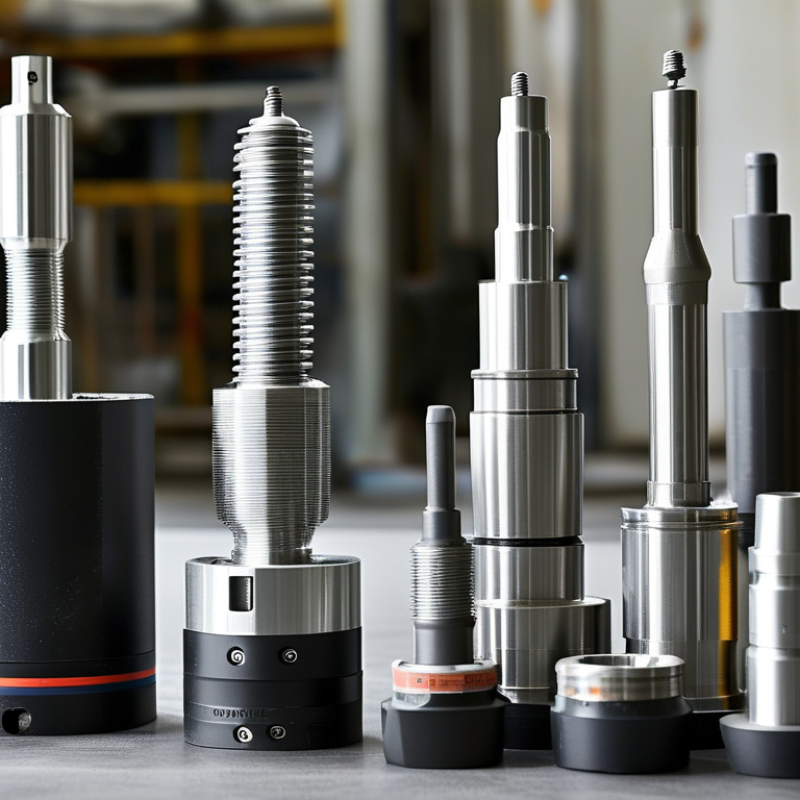
Extrusion machine parts shape every stage of polymer processing. The screw conveys, melts, and mixes material inside the heated barrel. The die then forms the melt into film, pipe, sheet, or profiles. Small parts matter too. Thermocouples control temperature, while heaters maintain stable zones. Bearings and gearboxes transfer torque safely. A worn seal may cause leakage, contamination, or unexpected downtime.
PlasticsEurope’s Plastics—The Fast Facts 2024 reports global plastics production reached 413.8 million tonnes in 2023. That volume increases pressure on processors to improve consistency and reduce waste. The OECD Global Plastics Outlook also recorded 353 million tonnes of plastic waste in 2019. Efficient extrusion parts cannot solve every sustainability problem, but poor alignment, damaged flights, or unstable heating can increase scrap quickly. In practice, replacement decisions are sometimes based too heavily on price. That can be a costly mistake.
Tips: Check screw flight wear, barrel clearance, heater resistance, and sensor accuracy during planned maintenance. Record pressure, temperature, torque, and output trends. Compare them with the machine manual and supplier specifications. Keep critical seals and sensors available. One overlooked fitting can stop a production line.
2026 Top Extrusion Machine Parts Suppliers Worldwide? - What Are Extrusion Machine Parts and Why Do They Matter?
A practical comparison of major extrusion machine parts, their functions, common materials, service considerations, and supplier-selection criteria. The table focuses on component categories rather than company or brand data.
| Extrusion Machine Part | Primary Function | Common Materials or Construction | Typical Wear or Failure Factors | Typical Maintenance Considerations | Why the Part Matters | Supplier Evaluation Criteria |
|---|---|---|---|---|---|---|
| Extruder Screw | Conveys, melts, mixes, pressurizes, and homogenizes polymer material inside the barrel. | Nitrided steel Tool steel Bimetallic alloy | Abrasive fillers, corrosive additives, excessive melt temperature, poor alignment, and insufficient lubrication of the drive system. | Inspect flight diameter, root diameter, surface condition, and screw-to-barrel clearance. Cleaning should avoid scratching functional surfaces. | Screw geometry directly influences output rate, mixing quality, melt temperature, residence time, and product consistency. | Documented metallurgy, dimensional inspection, application-specific screw design, balancing, and compatibility with the processing polymer. |
| Extrusion Barrel | Contains the screw and provides the heated, pressurized processing channel for polymer melting and transport. | Nitrided steel Bimetallic lining Wear-resistant alloy | Internal abrasion, corrosion, thermal cycling, feed-throat wear, pressure loading, and misalignment. | Measure internal bore wear and inspect heater zones, cooling channels, flanges, and sealing surfaces during planned shutdowns. | Barrel condition affects pressure stability, energy efficiency, residence time, and the useful life of the screw. | Bore tolerance, concentricity, lining hardness, heat-treatment records, pressure rating, and accurate heating-zone design. |
| Die Head and Extrusion Die | Shapes the molten polymer into a profile, sheet, film, pipe, tube, strand, or other continuous form. | Hardened tool steel Stainless steel Chrome-plated surfaces | Die-lip damage, deposits, corrosion, uneven heating, pressure fluctuation, and incorrect die-gap adjustment. | Clean flow channels carefully, verify die-lip condition, check heater and thermocouple performance, and confirm die alignment. | Small geometric errors can cause thickness variation, dimensional instability, flow lines, and increased scrap. | Flow simulation capability, surface finish, thermal uniformity, adjustment range, dimensional inspection, and ease of cleaning. |
| Screen Pack and Breaker Plate | Filters contaminants and supports the screen pack while generating back pressure for improved melt homogenization. | Stainless steel mesh Perforated steel plate High-temperature alloy | Screen blockage, pressure buildup, fatigue, corrosion, contamination, and incorrect mesh selection. | Monitor melt pressure before and after the screen pack. Replace blocked or damaged screens and inspect the breaker plate holes. | Proper filtration protects downstream tooling and improves melt cleanliness, but excessive blockage raises energy use and pressure. | Accurate mesh specifications, pressure capability, consistent open area, corrosion resistance, and availability of replacement screens. |
| Gearbox and Thrust Bearing Assembly | Reduces motor speed, increases torque, and transfers axial screw loads to the machine frame. | Hardened gears Alloy steel shafts Rolling-element bearings | Overload, inadequate lubrication, gear tooth fatigue, bearing wear, vibration, thermal stress, and shaft misalignment. | Check oil level and condition, vibration, temperature, backlash, seals, and bearing noise according to the equipment schedule. | Reliable torque transmission is essential for stable output, safe operation, and protection of the screw and motor. | Rated torque, service factor, bearing-load capacity, thermal performance, noise level, lubrication system, and test documentation. |
| Drive Motor and Variable-Frequency Drive | Provides controlled rotational power and allows adjustment of screw speed and production output. | AC induction motor Permanent-magnet motor Industrial VFD | Overheating, electrical imbalance, dust ingress, excessive loading, poor ventilation, and incorrect drive parameters. | Inspect cooling paths, electrical connections, insulation condition, current draw, speed feedback, and fault history. | Stable drive control affects throughput, melt pressure, energy consumption, and process repeatability. | Continuous-duty rating, overload capacity, energy efficiency, control compatibility, enclosure protection, and local technical support. |
| Barrel Heaters and Cooling System | Controls barrel-zone temperature during startup, melting, mixing, and steady-state extrusion. | Band heaters Cast heaters Air cooling Liquid cooling | Burnout, loose mounting, poor heat transfer, blocked cooling lines, sensor drift, and uneven thermal contact. | Verify zone temperature with calibrated instruments, inspect heater fit, clean cooling passages, and test control outputs. | Accurate thermal control determines melt quality, viscosity, degradation risk, and dimensional stability. | Heating capacity, zone uniformity, response time, insulation quality, sensor compatibility, and operating-temperature range. |
| Melt Pressure and Temperature Sensors | Measures process pressure and melt temperature for control, monitoring, and equipment protection. | Strain-gauge pressure sensor Thermocouple High-temperature diaphragm | Sensor drift, diaphragm damage, polymer buildup, thermal shock, electrical faults, and incorrect installation depth. | Calibrate periodically, inspect the sensing tip, protect wiring, and replace sensors showing unstable or implausible readings. | Accurate measurements help prevent overpressure, detect process changes, and maintain consistent product quality. | Pressure range, temperature rating, accuracy, response time, process connection, calibration traceability, and controller compatibility. |
| Adapter, Melt Pump, or Screen Changer | Connects processing sections, stabilizes melt flow, or enables filtration changes with reduced production interruption. | Tool steel Stainless steel Hardened flow channels | Pressure cycling, leakage, dead spots, seal wear, contamination, and incorrect flow-channel sizing. | Inspect seals and flow passages, monitor pressure differential, and verify safe operation of hydraulic or mechanical actuators. | These components influence pressure stability, filtration continuity, color-change efficiency, and material residence time. | Pressure rating, flow-path design, sealing system, changeover time, cleanability, safety features, and spare-part availability. |
| Coupling, Spline, and Screw Connection | Transfers torque between the gearbox and screw while allowing assembly, disassembly, and thermal movement where designed. | Alloy steel Hardened splines Precision-machined hubs | Fatigue, fretting, torsional overload, poor fit, misalignment, corrosion, and inadequate fastening. | Inspect spline wear, keyways, fasteners, runout, fit, and signs of fretting during screw removal or major maintenance. | Connection integrity protects the drive train and helps maintain accurate screw rotation under high torque. | Torque rating, fit tolerances, surface hardness, balance, material traceability, and installation documentation. |
| Seals, Gaskets, and O-Rings | Prevent polymer leakage, oil loss, air ingress, and contamination at pressure and temperature interfaces. | Fluoroelastomer PTFE Graphite Metal seals | Thermal aging, chemical attack, extrusion, compression set, incorrect sizing, and damaged sealing surfaces. | Replace during major disassembly, clean grooves, confirm material compatibility, and apply correct tightening procedures. | Effective sealing improves safety, cleanliness, process stability, and the service life of adjacent components. | Temperature and chemical resistance, dimensional accuracy, pressure capability, batch consistency, and material certification. |
| Calibration and Alignment Components | Maintains the relative position of the motor, gearbox, barrel, screw, die, and downstream equipment. | Precision steel Shims Adjustable mounts Alignment tools | Foundation movement, thermal expansion, improper installation, vibration, worn mounts, and accumulated tolerances. | Check shaft alignment, barrel-to-die alignment, level, vibration, and fastener condition after installation or relocation. | Correct alignment reduces wear, vibration, leakage, uneven product dimensions, and unplanned downtime. | Measurement accuracy, repeatability, installation instructions, adjustment range, and availability of inspection support. |
Technical values and service requirements vary with polymer type, filler content, screw geometry, operating temperature, pressure, machine size, and production conditions. Final component selection should be verified against the original equipment drawings, operating manual, and a qualified engineering assessment.