2026 Top Print Packaging Labels Trends for Global Buyers?
In the fast-evolving world of consumer goods, print packaging labels play a critical role. They serve as the first point of interaction between brands and consumers. Accurate and eye-catching labels can increase product appeal. As we approach 2026, trends are shifting. Sustainability, customization, and technology are paving the way for innovative solutions in this sector.
Global buyers must understand these trends to stay competitive. Today's consumers care about eco-friendly options. They prefer brands that demonstrate responsibility. Print packaging labels reflect this shift, incorporating biodegradable materials and eco-conscious designs. Moreover, digital printing technology is revolutionizing customization possibilities. Brands can now create unique labels tailored to specific audiences. This level of personalization is becoming a game changer.
However, there are challenges to consider. With an increase in demand, ensuring quality and authenticity is crucial. Not all suppliers deliver the same level of excellence. Buyers need to research and choose wisely. Striking the perfect balance between creativity and compliance is essential. By aligning with the latest trends, businesses can enhance their product visibility and consumer trust. Staying informed is no longer optional; it is a necessity.
Emerging Trends in Print Packaging Labels for 2026
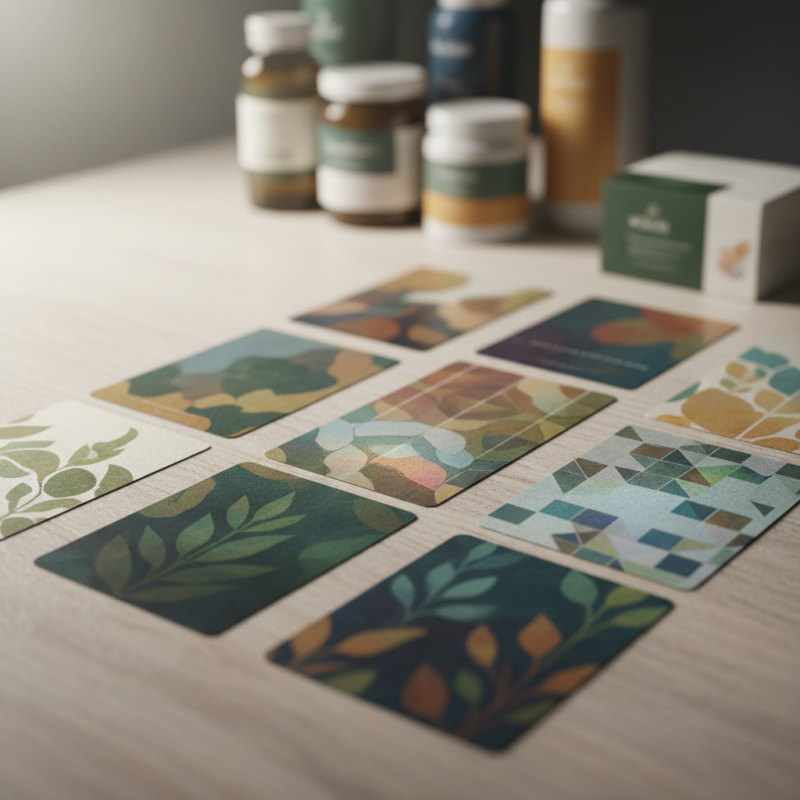
As we look towards 2026, print packaging labels are evolving rapidly. The global market for printed labels is projected to reach $50 billion by 2026, growing at a CAGR of 6.5% from 2021. A key driver of this growth is the rising demand for sustainable materials. Eco-friendly labels made from biodegradable or recycled materials are becoming more prevalent, aligning with consumer preference for sustainable products.
Another significant trend is the adoption of smart technology in packaging. Innovative labels equipped with QR codes or NFC chips enable brands to engage customers interactively. According to a recent industry report, 45% of consumers want to see more smart packaging solutions by 2026. This shift towards digital connectivity creates opportunities for brands to provide additional product information or promotional content easily.
However, challenges remain. The harmonization of technology standards and ensuring data security are critical issues that require attention. Brands must consider the balance between innovation and practical implementation. While smart labels enhance consumer interaction, they also raise questions about privacy and data usage. The future of print packaging labels lies in navigating these complexities while meeting evolving consumer expectations.
2026 Top Print Packaging Labels Trends for Global Buyers
| Trend |
Description |
Expected Impact |
Market Sector |
| Sustainable Materials |
Increase in demand for biodegradable and recyclable materials. |
Positive environmental impact and improved brand image. |
Food & Beverage, Cosmetics |
| Smart Labels |
Integration of QR codes and NFC technology for enhanced interactivity. |
Enhanced customer engagement and tracking capabilities. |
Retail, Pharmaceuticals |
| Minimalist Design |
Trend towards simpler and cleaner packaging visuals. |
Improved recognition and consumer appeal. |
All sectors |
| Personalization |
Customized labels based on consumer preferences and behaviors. |
Greater customer satisfaction and potential for higher sales. |
E-commerce, Specialty Goods |
| Augmented Reality |
Use of AR technology to create interactive experiences with labels. |
Enhanced marketing opportunities and product storytelling. |
Entertainment, Technology |
Sustainability Practices Influencing Print Label Manufacturing
Sustainability is no longer just a trend in print label manufacturing; it is a necessity. With over 70% of consumers preferring sustainable brands, manufacturers are adjusting their practices. Recent studies indicate that sustainable packaging can increase consumer trust, making it essential for businesses focusing on long-term growth.
Innovative materials are emerging in the label printing industry. Biodegradable and recyclable materials are being used more frequently. Reports show that adopting eco-friendly practices can reduce production waste by up to 30%. However, many companies struggle with the initial costs of implementing these sustainable practices. This hesitation can hinder progress toward broader adoption of eco-friendly solutions.
While advancements are promising, challenges remain. Not every material marketed as 'green' is truly sustainable. Companies must invest time in verifying suppliers' claims. Transparency in sourcing and production processes is crucial. It is essential to strike a balance between cost-effective solutions and genuine sustainability efforts. The path to sustainable print label manufacturing requires commitment and careful consideration.
Innovations in Materials and Technology for Packaging Labels
In the evolving landscape of packaging labels, innovations in materials and technology are setting new standards. According to a recent report by Smithers Pira, the global demand for sustainable labeling solutions is projected to reach $43.2 billion by 2026. This reflects a significant shift towards eco-friendly materials that reduce environmental impact. Biodegradable films and sustainable inks are gaining traction among manufacturers. Companies are increasingly focusing on labels that not only look good but also carry eco-conscious messages.
Technology advancements also play a crucial role in the packaging label sector. Digital printing technology has transformed production processes, allowing for shorter runs and personalized designs. A study by Technavio highlights that the digital printing market for labels is expected to grow by 20% annually through 2025. This growth raises questions about scalability and the balance of quality versus cost. Brands must consider how to integrate high-tech solutions without alienating budget-conscious customers.
Yet, challenges remain. Ensuring quality and durability while adopting new materials is complex. Some labels fail to maintain their integrity in varied climates, showing the need for continued innovation. The industry must continually evaluate both the environmental and operational impacts of these advancements. Balancing sustainability with performance is necessary for future success.
2026 Trends in Print Packaging Labels
Consumer Preferences Shaping the Future of Label Design
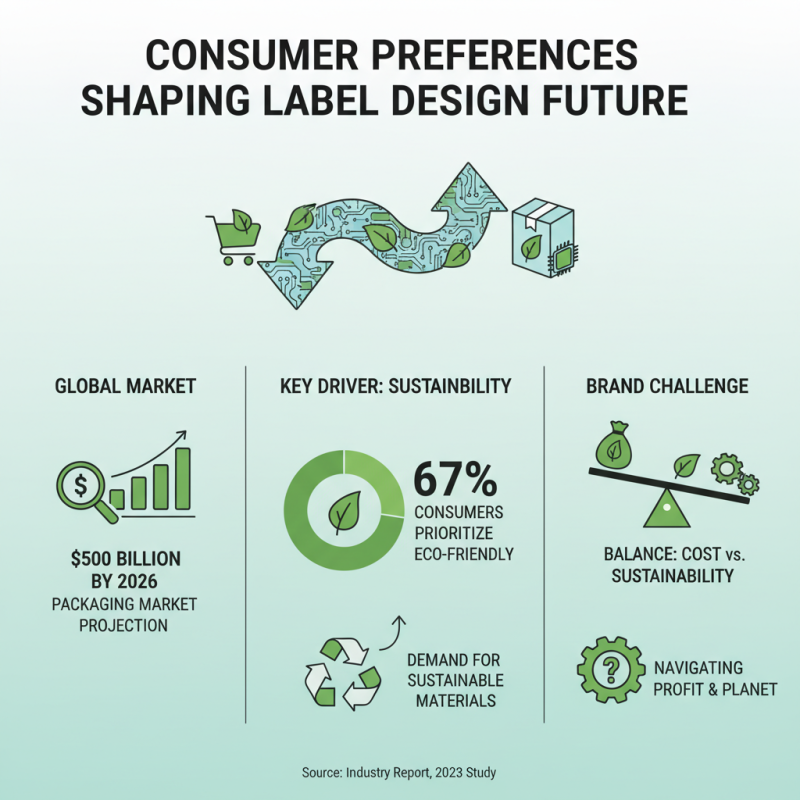
Consumer preferences are key to shaping the landscape of label design. With the global packaging market projected to reach $500 billion by 2026, understanding consumer desires is vital. A recent study indicated that 67% of consumers prioritize sustainable packaging. This trend pushes brands to adopt eco-friendly materials. However, many companies still struggle to balance sustainability with cost-effectiveness.
Visual appeal plays a crucial role in consumer choices. Research shows that 75% of purchasing decisions are influenced by label design. Vibrant colors and innovative shapes capture attention. Yet, brands must consider functionality as well. Labels must convey essential information clearly. Some brands compromise on clarity for aesthetics, which can confuse consumers.
Incorporating technology is another growing trend. Smart labels, embedded with QR codes, offer consumers instant access to product details. However, only 20% of consumers report using these features often. This indicates a gap in consumer engagement that brands must address. Balancing innovation with user experience remains a challenge in the evolving label design landscape.
Global Market Dynamics Affecting Print Label Trends in 2026
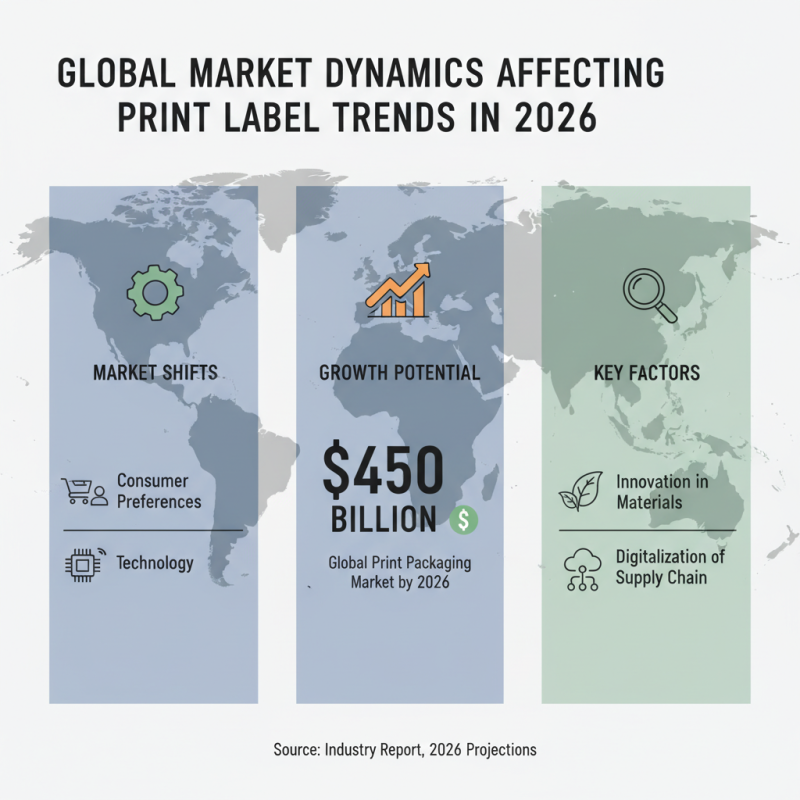
As we look ahead to 2026, understanding the dynamics affecting print label trends is crucial. Global market shifts are shaped by various factors, such as consumer preferences and technology. A recent report indicates that the print packaging market is projected to reach $450 billion by 2026, suggesting strong growth potential.
Sustainability continues to be a driving force. According to industry experts, 73% of consumers prefer brands that utilize eco-friendly packaging. This trend pushes manufacturers to innovate. For example, biodegradable inks and recyclable materials are gaining traction. However, challenges remain. Many brands struggle to balance sustainability with cost and quality.
Technology also plays a key role in print label evolution. Digital printing technologies are advancing rapidly. By 2026, it is estimated that digital print will account for over 25% of the total label market. However, the integration of technology isn't without obstacles. Some companies face high initial investments and training difficulties. It's essential to strike a balance between adopting new technology and maintaining operational efficiency.