What is Art Printing and How It Transforms Creative Expression
Art printing has emerged as a transformative medium that not only reshapes creative expression but also democratizes the accessibility of art. According to a report by Smithers Pira, the global art print market reached a valuation of approximately $10 billion in 2021 and is projected to grow at a compound annual growth rate (CAGR) of 3.5% through 2026. This significant expansion highlights the increasing demand for high-quality reproductions and original pieces, demonstrating how art printing propels artists into new markets and allows collectors to acquire unique works at various price points.
Moreover, advancements in technology have played a crucial role in the evolution of art printing. Digital printing techniques, such as inkjet and eco-solvent printing, have not only enhanced the quality and vibrancy of printed artworks but have also enabled artists to explore new creative avenues. The 2022 Global Art Market report indicates that 73% of artists now utilize digital tools in their work, signifying a profound shift in how art is produced and perceived. As art printing continues to evolve, it opens up a plethora of opportunities for collaboration, innovation, and the redefinition of artistic boundaries, ultimately making art more accessible to a wider audience.
The Evolution of Art Printing Techniques in the Digital Age
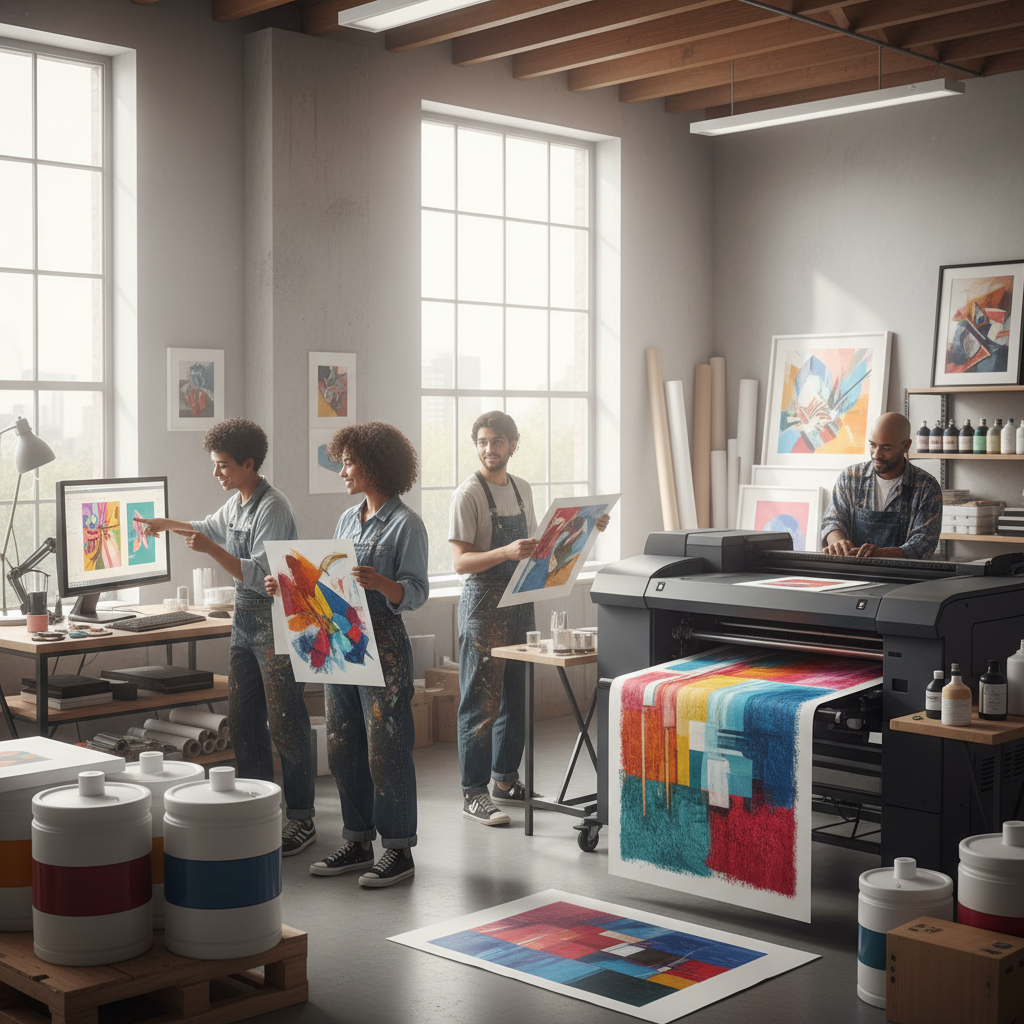
The evolution of art printing techniques in the digital age has revolutionized the way artists create and disseminate their work. Traditional methods, such as lithography and screen printing, once dominated the scene, requiring extensive knowledge of materials and processes. However, the advent of digital technology has introduced a plethora of new methods, enabling artists to experiment and push boundaries. Digital printing techniques, like giclée and inkjet, allow for higher precision and an expanded color palette, giving artists greater control over the final product.
Moreover, the accessibility of digital tools has democratized art printing. Artists no longer need to rely on commercial printers; they can produce high-quality prints from their own studios. The rise of online platforms has further facilitated this transformation by providing artists with marketplaces to showcase and sell their work directly to consumers. This shift not only enhances creative expression but also allows for a more personal connection between the artist and the audience.
As art printing continues to evolve, it fosters innovation, collaboration, and a deeper appreciation for the diverse forms of artistic expression in our increasingly digital world.
Key Technologies Driving the Transformation of Creative Expression
Art printing is a rapidly evolving field that plays a crucial role in transforming creative expression. Key technologies driving this transformation include digital printing, 3D printing, and augmented reality (AR). According to a recent report by Smithers Pira, the global digital printing market is projected to reach $29.2 billion by 2025, showcasing a significant shift toward digital mediums in the art world. This has enabled artists to produce limited editions with precision and customization, allowing for greater creative freedom compared to traditional methods.
Additionally, 3D printing technology is reshaping how sculptures and installations are created, allowing artists to experiment with complex designs that were previously impossible to manufacture. A study by Wohlers Associates indicates that the 3D printing industry could exceed $35.6 billion by 2024, highlighting its increasing importance in artistic practices. Furthermore, the integration of AR into art printing offers interactive experiences for audiences, providing new dimensions to how art is experienced and engaged with. These innovations not only expand the boundaries of creative expression but also democratize access to art, enabling a more diverse range of voices to emerge in the artistic landscape.
How Digital Art Printing Expands Artistic Possibilities
Digital art printing has revolutionized the landscape of creative expression, enabling artists to explore unprecedented possibilities. Unlike traditional methods, which often limit the artist’s scope to physical mediums, digital printing embraces a vast array of materials and techniques. This technology allows artists to create vibrant reproductions of their work or to produce original pieces that can incorporate rich textures and intricate details. The ability to manipulate images digitally opens up pathways for experimentation, blending various styles and influences in ways that were previously unimaginable.
Moreover, digital art printing fosters a more inclusive artistic community. It eliminates barriers related to production costs and technical skills, making it easier for emerging artists to showcase their work to a broader audience. With online platforms and print-on-demand services, artists can share their creations globally without the hefty investment that traditional galleries often require. This democratization of the art world not only amplifies diverse voices but also enriches the artistic landscape, encouraging collaborations and the fusion of different cultural expressions.
The Impact of Art Printing on Accessibility and Inclusivity in Art
Art printing has revolutionized the way artists express their creativity, making art more accessible and inclusive than ever before. According to a report by the International Art Market, the rise of digital printing techniques has allowed artists to produce limited edition works at a fraction of the traditional cost. In fact, the global market for art prints reached a staggering $4.5 billion in 2022, demonstrating a significant appreciation for diverse artistic expressions. As artists embrace new technologies, they can reach wider audiences, breaking the geographical barriers that once confined art appreciation to a select few.
Moreover, art printing fosters inclusivity by enabling artists from underrepresented communities to showcase their work. A 2021 survey by the National Endowment for the Arts found that 40% of printmakers identified as artists of color, a substantial increase from previous years. This shift not only highlights the diverse narratives being told but also encourages collaboration and dialogue among various cultural groups. By democratizing the art-making process, art printing ultimately enriches the landscape of contemporary art.
What is Art Printing and How It Transforms Creative Expression
| Dimension |
Description |
Impact on Accessibility |
Inclusivity Aspect |
| Print Quality |
High-resolution prints that capture intricate details. |
Allows wider audience to appreciate fine art details. |
Encourages participation from art lovers regardless of background. |
| Material Variety |
Options from canvas to eco-friendly papers. |
Provision of sustainable choices for environmentally conscious consumers. |
Provides artists with diverse expressions to reach different audiences. |
| Cost-Effectiveness |
Affordable reproduction of original artworks. |
Makes art more accessible to people of varying income levels. |
Fosters a broader appreciation and collection of art within communities. |
| Customization |
Personalization options for prints based on client needs. |
Empowers individuals to create their unique expressions of art. |
Invites diverse narratives within the realm of visual art. |
| Digital Integration |
Use of digital technology to create and distribute art prints. |
Expands availability of art to virtual platforms. |
Encourages digital artists to reach wider audience globally. |