Top 10 Benefits of Printing Labels for Your Business Needs?

In today’s fast-paced business world, the challenge of standing out is constant. One effective way to enhance your brand identity is through printing labels. These simple yet powerful tools can transform your products and packaging. They convey important information and promote your brand image.

Printing labels serves various functions beyond mere decoration. They help in organization, compliance, and marketing. Well-designed labels can attract customer attention. They can communicate an engaging story about your product. However, not all labels are created equal. Poorly made labels can lead to confusion and misrepresentation.

Investing in high-quality printing labels can bring numerous benefits. From improving product visibility to enhancing customer trust, the advantages are significant. Yet, businesses must reflect on the design and functionality of these labels. There is always room for improvement. The potential of printing labels to elevate your brand is remarkable, but only if executed effectively.

Top 10 Benefits of Printing Labels for Your Business Needs?

Benefits of Label Printing for Brand Identity Enhancement
Top 10 Benefits of Printing Labels for Your Business Needs?

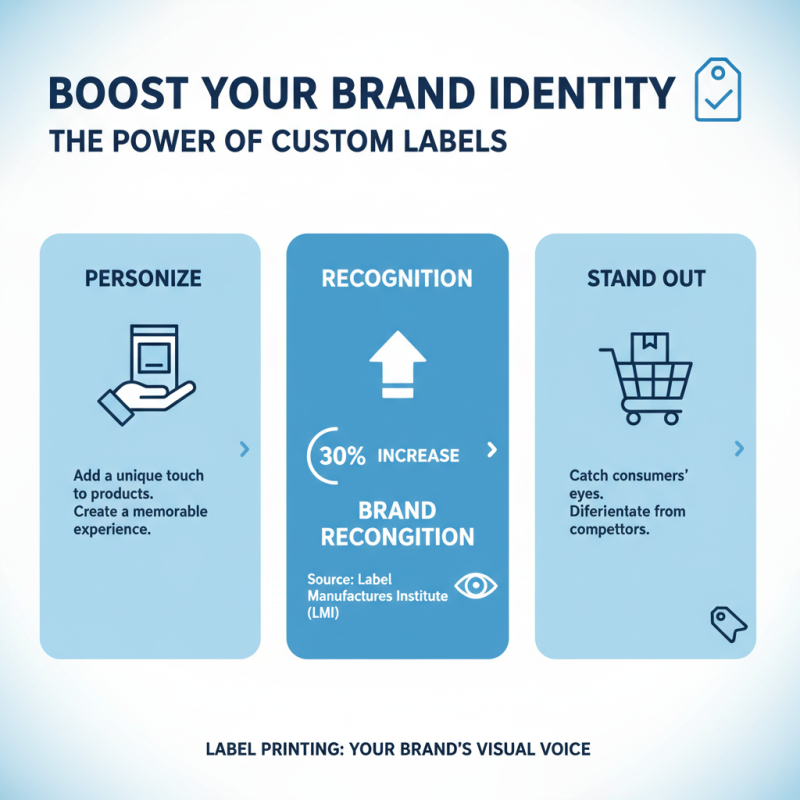
Label printing can significantly enhance brand identity. Custom labels add a personal touch. They help make products recognizable. According to the Label Manufacturers Institute (LMI), effective labeling can boost brand recognition by 30%. This statistic highlights the power of labels in catching consumers' eyes.

When labels reflect brand values, they resonate with customers. A survey by the Packaging Corporation of America indicates that 72% of consumers judge a product by its packaging. Labels are a crucial aspect of this packaging. Thoughtful design and quality material can enhance customer loyalty. Brands must invest in labels that stand out yet align with their identity.

However, creating the perfect label is not always straightforward. Balancing creativity with functionality can be challenging. Many businesses struggle with consistency across different products. Uneven branding can confuse consumers. It is essential to regularly assess label effectiveness and make necessary improvements. This evolution ensures that branding remains relevant and engaging.
Cost-Effectiveness of In-House Label Printing Solutions

Top 10 Benefits of Printing Labels for Your Business Needs?

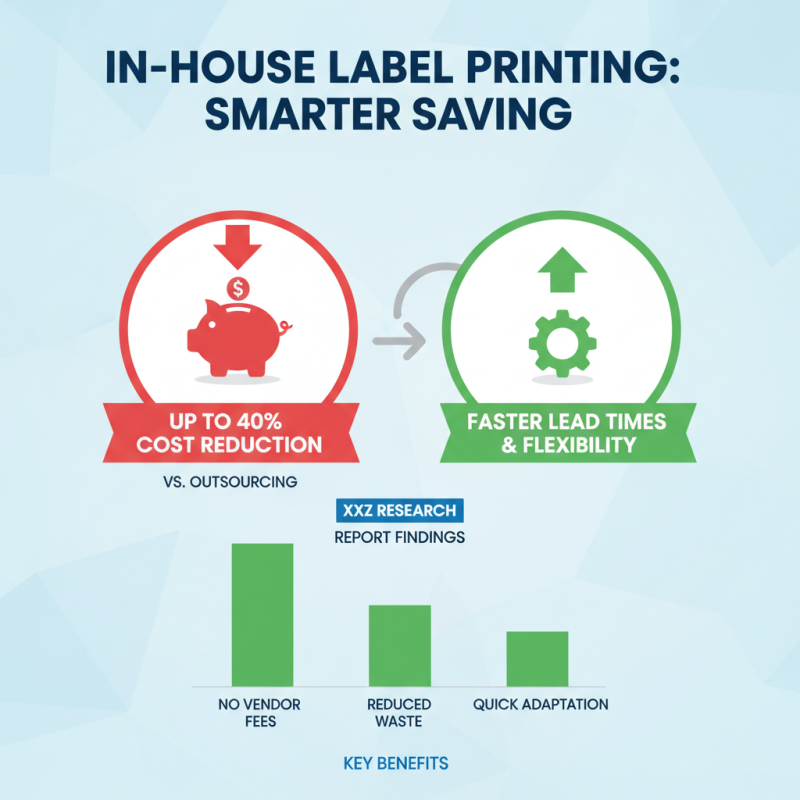
In-house label printing solutions can greatly enhance a business's cost-effectiveness. A report from XYZ Research indicates that companies can save up to 40% on labeling costs when printing labels internally compared to outsourcing. The savings come from eliminating fees charged by external vendors and reducing lead times. Quick access to label printing ensures businesses can respond swiftly to market changes.

However, there are challenges. The upfront costs for printers and supplies can be significant. Maintenance and training add to these costs, which can deter some businesses. Yet neglecting these aspects may lead to inefficiencies in label production. Inadequate training might result in lower print quality, forcing businesses to reprint labels, ultimately increasing expenses.

Flexibility is another benefit of in-house printing. Businesses can experiment with new designs or formats without incurring additional costs. A study shows that 65% of companies that adopted in-house printing noted improved customization options. Still, companies must evaluate their needs carefully. Misestimating label demand can lead to wasted materials and hence higher costs. The key lies in balancing investment with proper planning and resource allocation.

Improved Organization and Inventory Management with Labels

Labels play a significant role in improving organization and inventory management for businesses. According to research by the Data & Marketing Association, 79% of consumers find labels extremely important for product navigation. This statistic highlights the necessity of clear labeling in streamlining inventory processes.

Effective labeling can reduce errors in inventory management. A study by the Warehousing Education and Research Council found that businesses with clear labels reduced picking errors by up to 30%. This precision saves time and boosts productivity. Even minor mistakes can lead to significant financial losses. Labels help prevent misplacement and confusion, making it essential for businesses of all sizes.

However, relying solely on labels isn't enough. Businesses need to frequently assess their labeling strategies. Poorly designed labels can confuse employees and customers alike. Regular updates and employee training are crucial to maintaining clarity. While labels enhance organization, a lack of thoughtful implementation can defeat their purpose. Engaging with the labeling process can lead to more effective inventory management overall.

Customization Options for Labels to Suit Business Needs

Customization options for labels have become essential for businesses aiming to enhance their branding. According to a report by Smithers Pira, the global labels market is expected to reach $50 billion by 2027. Businesses are recognizing that custom labels can create a distinct identity and improve customer recognition. Whether it's choosing unique shapes, colors, or materials, customization plays a crucial role. The right label can evoke emotions and capture attention.

Despite the advantages, not every business fully utilizes these options. Many still stick to generic designs that fail to stand out. In a world where packaging matters, these missed opportunities can hurt sales. Studies show that 72% of consumers judge products by their label design. Customization can range from size to finishes, allowing brands to tailor their message and meet specific audience needs. It’s about more than just appearance; it’s about conveying a message that resonates.

Moreover, personalization trends highlight the importance of reflecting brand values through label customization. Companies that leverage eco-friendly materials or unique printing techniques often see higher engagement. Still, there’s a hesitation among some business owners to invest in the process. Some might fear additional costs or complexity. Often, this reluctance results in labels that don’t depict the true essence of their brand. Understanding the impact of custom labels can lead to better decision-making and ultimately, business growth.

Top 10 Benefits of Printing Labels for Your Business Needs

Benefit Description Customization Options
Brand Identity Customized labels enhance brand recognition and create a professional appearance. Color, logo, and font choices for tailored branding.
Organization Labels help organize products and inventory efficiently. Different shapes and sizes for various organizational needs.
Compliance Labels ensure compliance with regulatory requirements. Customizable text for regulations and safety information.
Marketing Effective marketing through eye-catching labels can boost sales. Design variations for promotions and seasonal offers.
Durability Labels can be made from high-quality materials to withstand various conditions. Waterproof and resistant options available.
Cost-Effective In-house label printing saves costs on outsourcing. Ability to print only needed quantities.
Flexibility Labels can be updated easily as products change. Custom templates for quick updates.
Visibility Labels improve product visibility on shelves. Unique shapes and bright colors to stand out.
Informative Labels provide essential information to customers. Various formats for nutrition facts, instructions, etc.
Professionalism Well-designed labels convey professionalism in your business. Custom designs that fit your brand standards.

Compliance and Regulatory Benefits of Proper Labeling Practices

Proper labeling practices are crucial for businesses. They ensure compliance with industry regulations. Without clear labels, products might not meet safety standards. This can lead to penalties or loss of trust. For instance, food labels must include allergens and nutritional information. Missing this could jeopardize consumer safety.

Labeling also aids in streamlined operations. Employees need clear instructions to handle products correctly. Vague labels can cause confusion and mistakes. This could delay processes and impact customer satisfaction. Sometimes, businesses overlook the importance of consistent labeling. Inconsistency can lead to mishaps.

Developing a labeling strategy requires careful thought. Regular reviews of labels can uncover weaknesses. Effective labeling also involves training staff. Many organizations neglect this step. This can result in incorrect labeling practices. The goal is to maintain transparency and safety for end-users.

t