
10 Best Insulated Wire Terminals for Global Buyers

Reliable electrical connections begin with small components that are often overlooked. Insulated Wire Terminals protect conductors, support secure crimping, and reduce exposure to accidental contact. Their importance is growing as vehicles, control panels, renewable-energy systems, and industrial equipment become more electrically complex.

The International Energy Agency reported that global electric-car sales exceeded 14 million in 2023, representing about 18% of new-car sales. Each vehicle contains extensive wiring and numerous vibration-resistant connections. The IEA’s Electricity 2024 report also identified rising electricity demand from industry, transport, and digital infrastructure. These changes increase the need for dependable terminal systems, not merely inexpensive accessories.

This guide evaluates 10 Best Insulated Wire Terminals for Global Buyers through practical criteria. These include conductor compatibility, insulation quality, crimp performance, temperature resistance, corrosion protection, packaging accuracy, and documented compliance. UL 486A-486B, IEC 60999, and relevant CSA requirements provide useful reference points, although certification coverage can differ by product and market. A terminal may appear strong in a catalog yet perform poorly with the wrong crimping tool. That detail is easy to miss.

Real-world selection requires more than brand recognition. Buyers should inspect copper material, plating, barrel dimensions, pull-out strength, and batch traceability. Independent testing, manufacturer datasheets, and supplier experience deserve greater weight than promotional claims. No ranking is flawless. Installation quality, storage conditions, and application temperature can change the result. This comparison therefore offers informed guidance, not a universal guarantee, helping global purchasers make safer and more defensible sourcing decisions.
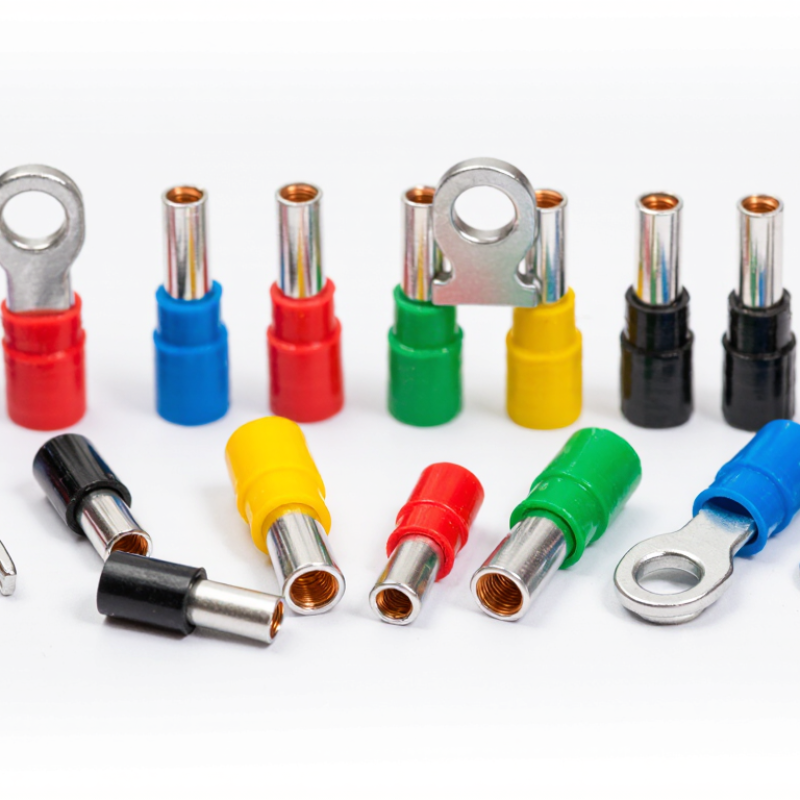
10 Best Insulated Wire Terminals for Global Buyers

How Insulated Wire Terminals Work and Where They Are Used

10 Best Insulated Wire Terminals for Global Buyers

Insulated wire terminals create a secure bridge between a conductor and electrical equipment. A metal barrel grips the stripped wire after controlled crimping. The insulation sleeve reduces accidental contact and helps prevent short circuits. The connection should be tight, not merely attractive. A crimp can look perfect and still fail.

In control panels, automotive harnesses, appliances, battery systems, and renewable-energy equipment, terminals manage repeated electrical connections. The International Energy Agency’s Renewables 2024 report recorded about 585 gigawatts of new renewable capacity worldwide in 2024. More installations increase demand for reliable field wiring. The IEA Electricity 2024 report also expects global electricity demand to grow by an average of 3.4% annually through 2026. These figures support wider use in distribution cabinets and equipment assembly.

Selection depends on conductor size, current rating, temperature, vibration, and insulation material. Ring terminals resist pull-out when fixed under a screw. Fork terminals allow quicker service access. Butt connectors join two wires inside one insulated sleeve. Heat-resistant types suit engine compartments and industrial enclosures. Buyers should verify compliance with IEC 60352-2, IEC 60999-1, or applicable regional requirements. Use the correct crimp profile and calibrated tool. Hand pressure alone is unreliable. Moisture, corrosion, and wrong wire stripping remain common failure points. Testing should include visual inspection, pull testing, and continuity checks. Even experienced installers sometimes overlook strand damage. That deserves review.

Key Types of Insulated Wire Terminals for Different Applications

Insulated wire terminals come in several forms, and each serves a different connection task. Ring terminals provide strong, stable joints under screw or stud connections. They suit control panels, battery cables, and grounding points. Fork terminals install faster when screws cannot be fully removed. However, they may loosen under repeated vibration if the screw pressure is poor.

Butt splice terminals join two wires end to end. They are useful for repairing harnesses or extending conductors inside equipment. For outdoor or humid environments, heat-shrink butt splices offer better sealing than standard vinyl insulation. The seal still depends on correct heating and clean wire preparation. Too much heat can damage insulation. Too little heat can leave gaps.

Quick-disconnect terminals support frequent maintenance and testing. Male and female versions should match in size, material, and locking design. Pin terminals work well with terminal blocks and compact control devices. Blade terminals fit many automotive and low-voltage assemblies, but their dimensions require careful checking. Crimp quality matters more than appearance. A polished terminal can still hide a weak connection.

For global buyers, compare wire range, insulation temperature, conductor material, and rated current. Confirm compliance with relevant regional requirements before production. Samples should undergo pull testing and, where necessary, vibration or moisture testing. In practice, choosing the cheapest type first can create expensive rework later. I have found that small differences in barrel length often affect reliability more than expected.

Standards and Safety Factors for Global Terminal Selection

Selecting the 10 best insulated wire terminals for global buyers requires more than comparing prices. Standards and safety factors must guide every choice. Check the required voltage, current, conductor size, insulation temperature, and installation environment. A terminal used inside a dry control cabinet may fail outdoors, where moisture and salt attack exposed metal.

Look for verified compliance with relevant IEC, UL, CSA, or regional requirements. Certification needs careful checking. A printed symbol alone proves little without traceable test information. Confirm crimp dimensions, pull-out strength, flame performance, and contact resistance. Copper, tinned copper, and aluminum terminals behave differently. Mixing metals can increase corrosion risk. In field inspections, loose crimps often leave dark marks near the insulation. That small detail deserves attention.

Tips: Match the terminal barrel to the actual wire size, not the expected size. Use the specified crimping tool and inspect the finished profile. Check for conductor strands outside the barrel. Keep samples for temperature and vibration testing when production conditions are uncertain. A catalog photograph can mislead. I have seen terminals pass a visual check yet fail after repeated bending. Recheck the specification with a qualified local engineer, because regional requirements and installation practices can differ. Safety margins should be documented, even when the project schedule feels tight.

How to Compare the Ten Best Insulated Wire Terminals

How to Compare the Ten Best Insulated Wire Terminals

Comparing insulated wire terminals requires more than checking price and color. Start with conductor size, insulation diameter, voltage rating, and operating temperature. A terminal that fits a 2.5 mm² cable may fail on a thicker jacket. Check the crimp barrel carefully. It should grip copper firmly without cutting strands. For critical assemblies, request pull-out test results and material certificates. IEC 60999 provides useful guidance for screw-type electrical connections, while applicable certification should match the destination market.

Material choice affects long-term reliability. Tinned copper usually offers better corrosion resistance than untreated copper, especially in humid shipping or outdoor equipment. Insulation should remain stable near the specified temperature limit. The Global E-waste Monitor 2024 reported 62 million tonnes of electronic waste in 2022, so durable terminals can support longer product life and reduce replacement waste. That connection is often overlooked. It still matters.

For the ten strongest options, compare contact resistance, crimp consistency, flame performance, packaging, and traceability. Ask whether production follows documented inspection procedures, not just whether a certificate exists. ISO 9001 registration can indicate controlled processes, but it does not prove every terminal is suitable. Sample testing is essential. I would measure crimp height, inspect cross-sections, and repeat pull tests after heat and humidity exposure. One weakness remains: catalog data rarely shows real field variation. A perfect specification sheet is not proof. Global buyers should compare total landed cost, including tooling, rejected parts, customs paperwork, and replacement risk.

Buying Guide for Quality, Compatibility, and International Supply Chains

10 Best Insulated Wire Terminals for Global Buyers

Buying Guide for Quality, Compatibility, and International Supply Chains

Global buyers should assess insulated wire terminals beyond price. In practical sourcing audits, crimp consistency, insulation recovery, and corrosion resistance often separate reliable parts from attractive samples. Check conductor range, stud size, insulation material, and temperature rating against the equipment design. IEC 60352-2 provides useful requirements for crimped connections, but certification alone cannot replace incoming inspection.

Compatibility is often underestimated. A terminal may fit physically but fail under vibration, moisture, or repeated thermal cycling. Request crimp-height records, tensile-test results, material declarations, and batch traceability. ISO 9001-based quality systems help, though paperwork can hide weak process control. I would not trust a certificate without reviewing recent inspection data.

Supply-chain risk deserves equal attention. UNCTAD’s Review of Maritime Transport reports that more than 80% of global merchandise trade by volume moves by sea. Delays can therefore affect even small terminal shipments. The World Bank’s 2023 Logistics Performance Index assessed 139 economies across customs, infrastructure, and delivery reliability. Buyers should compare lead times, packaging quality, export documentation, and backup production capacity. Specify moisture barriers for long ocean transit. Confirm carton labels before mass production. Small errors become expensive overseas. My own checklist still needs refinement: supplier audits should include real crimp samples, not only polished reports.

t