2026 Best Practices for Ordering Printed Labels Efficiently
In the fast-paced world of business, knowing how to order printed labels efficiently can set a company apart. According to John Reynolds, a leading expert in the printing industry, "The right labels can simplify your entire operation." His insight reflects a growing understanding of how crucial labeling is for branding and logistics.
Many businesses struggle with the order printed labels process. Common pitfalls include poor design choices and improper sizing. These missteps can lead to wasted time and resources. In a digital-first world, achieving efficiency must be a priority. Companies often overlook the importance of research and planning, which can cost them significantly.
Custom labels should not just be an afterthought. Every detail matters, from material selection to color choice. An efficient system for ordering printed labels can enhance product visibility and customer satisfaction. However, it requires a commitment to continuous improvement and reflection on past practices. Striving for efficiency can lead to growth and better business outcomes.

Keys to Efficiently Ordering Printed Labels
Efficiently ordering printed labels requires a streamlined approach. Start by clearly defining your needs. Consider the size, shape, and material. Will they be used outdoors or indoors? This decision affects durability. Narrowing down specifics saves time later on.
Next, create a detailed plan. Gather a list of essential information, such as quantities needed and any design elements. It’s easy to overlook elements during ordering. A simple mistake can lead to delays. Mistakes happen, like ordering the wrong color or typo in text. These oversights can be frustrating.
Communication with the supplier is vital. Provide them with all necessary details upfront. Ask for proofs before production. Evaluate the proofs carefully. Feedback is crucial. This part of the process should be a collaboration. If adjustments are needed, address them promptly. These efforts can enhance the overall quality of the final product and lead to a more satisfactory experience.
2026 Best Practices for Ordering Printed Labels Efficiently - Keys to Efficiently Ordering Printed Labels
| Dimension |
Best Practice |
Description |
| Design Quality |
Utilize Professional Design Services |
Ensure labels are designed by professionals to enhance visibility and appeal. |
| Material Selection |
Choose the Right Material |
Select materials that are suitable for the intended environment and use. |
| Order Volume |
Optimize Order Quantities |
Determine optimal order sizes to balance cost and storage requirements. |
| Printing Technology |
Invest in Advanced Printing Techniques |
Use modern printing technologies to improve efficiency and quality. |
| Supply Chain Management |
Streamline Supply Chain Processes |
Work closely with suppliers for timely deliveries and reduced lead times. |
| Cost Management |
Conduct Regular Cost Reviews |
Regularly assess costs to identify savings opportunities in the printing process. |
Understanding Different Types of Printed Labels
When it comes to printed labels, understanding their types is crucial for efficient ordering. There are several common types of labels, each serving specific needs. For instance, pressure-sensitive labels adhere to various surfaces without using heat or water, making them popular in retail. According to a 2023 industry report, around 45% of label orders are for pressure-sensitive varieties. These labels are versatile and can easily be customized for different products.
Another significant type is thermal transfer labels. These labels require a printer that uses heat to transfer ink onto the label material. They are highly durable and resistant to water and chemicals. Industry analyses suggest that 30% of businesses prefer thermal transfer labels for logistics and shipping purposes. However, users must ensure appropriate printer settings; improper configuration can lead to faded or smudged labels.
It's essential to explore print-on-demand labels as well. These labels are created quickly and on an as-needed basis. This method suits businesses with variable product lines. Yet, companies occasionally overlook the importance of label design. Well-designed labels enhance brand recognition and appeal to customers. A poorly executed design can result in wasted resources. Understanding these different label types can lead to more efficient and effective ordering processes.
2026 Best Practices for Ordering Printed Labels Efficiently
Factors to Consider Before Placing an Order
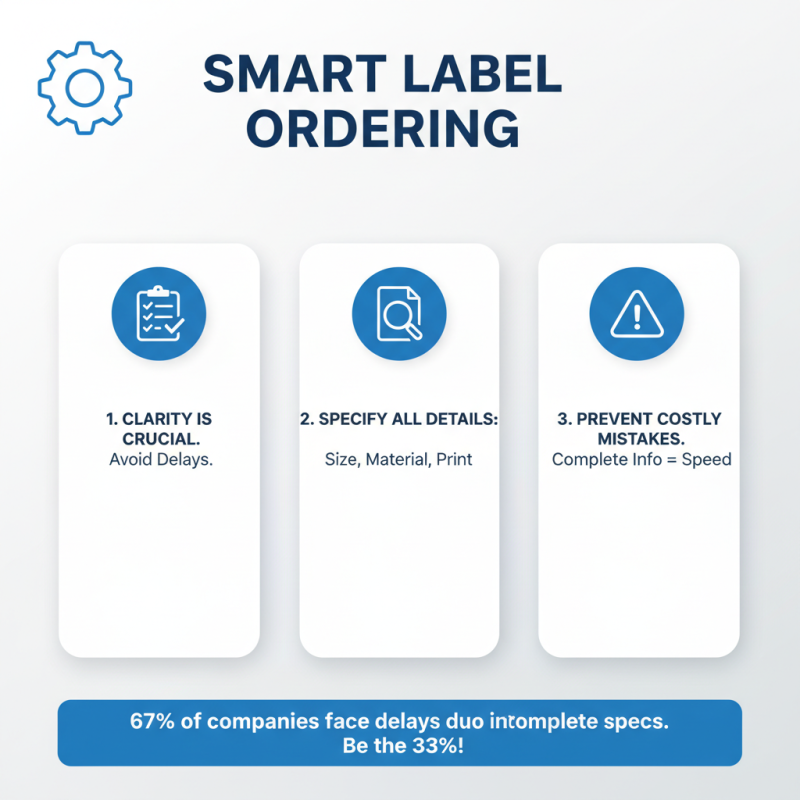
When considering ordering printed labels, several key factors can influence your efficiency and effectiveness. According to the Label Manufacturers Institute, 67% of companies encounter delays due to incomplete order specifications. Clarity is crucial. Ensure all details are accurate: size, material, and printing specifications. Missing information can lead to costly mistakes.
Tip: Double-check every aspect of your order. A simple typo can result in unusable labels. Measure your product precisely. Don't rely solely on assumptions. Even slight variations can affect the final output.
Another consideration is the quantity you need. Research shows that ordering in bulk can reduce the per-unit cost. However, overestimating your needs can lead to waste. Think about your inventory and future needs. Will these labels still be relevant in a few months?
Tip: Analyze past usage patterns. This can help you estimate the right number of labels to order. Balancing efficiency with waste reduction is essential. It's a reflection of both cost and sustainability.
Best Practices for Selecting a Reliable Supplier
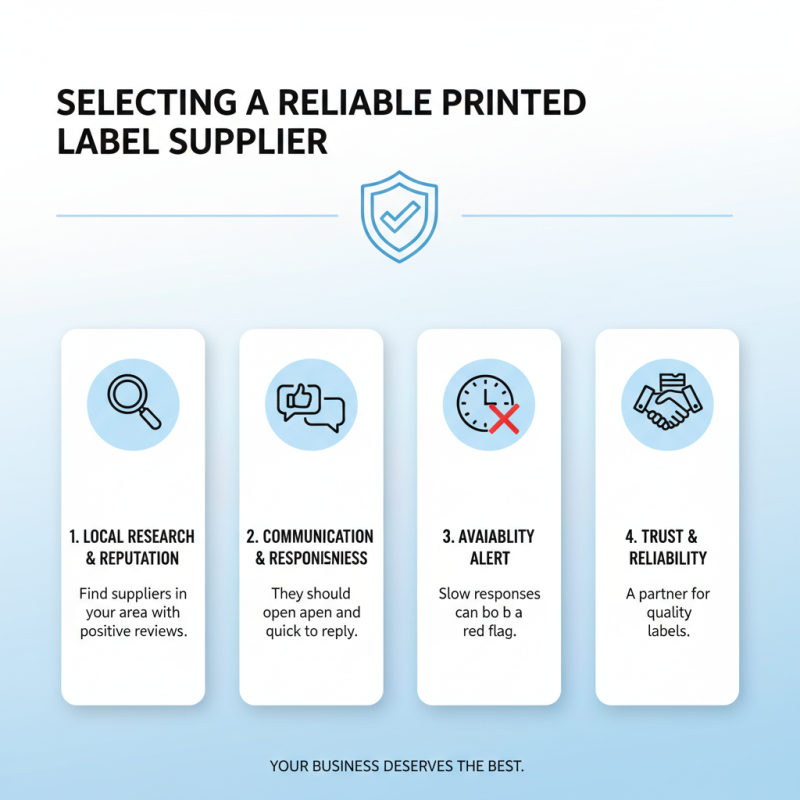
Selecting a reliable supplier for printed labels is crucial. Start by researching suppliers in your area. Look for those with a strong reputation and positive feedback. A good supplier should be responsive and open to communication. If they don’t answer quickly, consider that a red flag.
Request samples to gauge quality. Quality can vary greatly between suppliers. It’s also important to clarify your needs. This includes size, material, and printing methods. Be upfront about your expectations to avoid misunderstandings. If a supplier struggles to meet your requirements, it may indicate potential issues down the line.
Don’t hesitate to ask about lead times and pricing. Gathering quotes from multiple suppliers can help you find the best deal. However, the cheapest option isn’t always the best. Ensure they can deliver on time without sacrificing quality. If you feel rushed in choosing, take a step back. The right supplier can make all the difference in your printing project’s success.
Streamlining the Design and Approval Process
Streamlining the design and approval process for printed labels can lead to remarkable efficiency. Clear communication is essential at every step. Utilize collaborative tools that allow all stakeholders to provide input simultaneously. Incorporating feedback early can save time later. However, not every team member is comfortable with new technology. Training sessions might be needed.
Establish a clearly defined workflow. Assign roles based on expertise to minimize confusion. Checklists can be useful but may sometimes overlook important details. Frequent review meetings can help track progress, yet they can also become time-consuming. Balancing efficiency with thoroughness requires constant reflection.
Consider implementing templates for common label designs. This practice speeds up production while ensuring brand consistency. However, relying too heavily on templates can stifle creativity. Regularly revisiting and updating these templates can ignite fresh ideas. Review previous projects to identify what worked and what needs improvement. This iterative approach is vital for long-term success.