Best Thermoforming Film for Global Buyers in China?
The demand for high-quality Thermoforming Film is growing globally, especially among buyers in China. According to a recent report from the Plastic Industry Association, the thermoforming segment is experiencing an average annual growth rate of 6% in Asia. This trend highlights the importance of identifying the best thermoforming film products available in the market.
Dr. Emily Chen, a leading expert in polymer science, emphasizes, "Selecting the right thermoforming film is crucial for optimizing production efficiency." Buyers must consider various factors when choosing thermoforming films, including material strength, clarity, and thermal stability. Products that meet stringent industry standards are essential for successful applications in packaging and manufacturing.
Despite the promising growth, challenges remain. Not all suppliers adhere to high-quality standards. Prospective buyers should conduct careful research. Quality testing and supplier reputation play key roles in decision-making. In this competitive landscape, understanding the unique properties of different thermoforming films is vital.
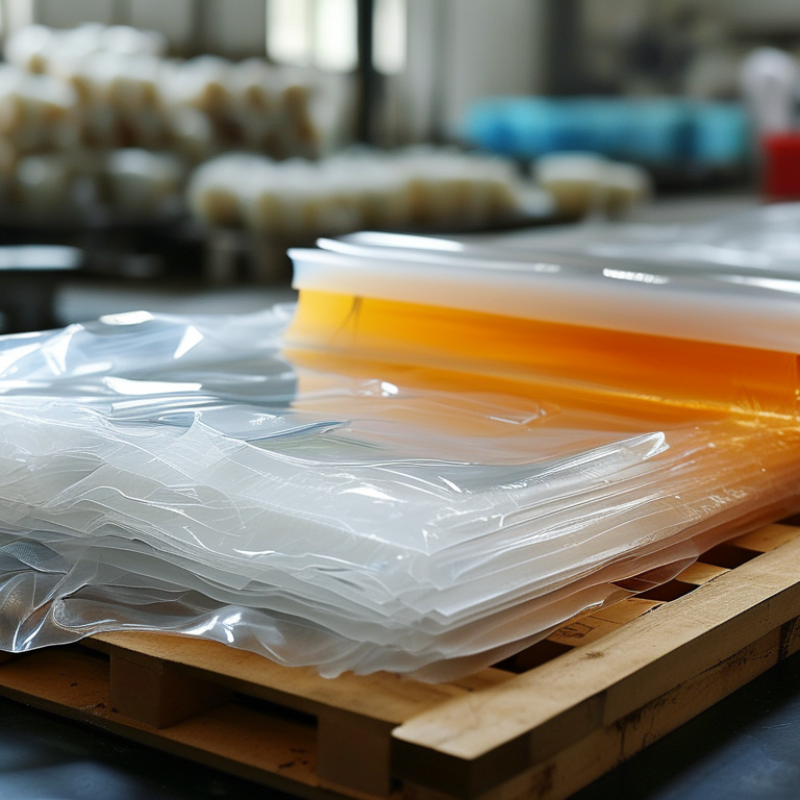
Best Thermoforming Film Types Available in China
When exploring the best thermoforming films available in China, it's essential to consider various types and their unique properties. Polyvinyl Chloride (PVC) is widely used for its excellent clarity and rigidity. It is suitable for packaging applications requiring visibility. Polyethylene (PE) films, on the other hand, are flexible and resistant to moisture, making them ideal for storage and transport of food items.
Another notable material is Polystyrene (PS), known for its ease of processing. PS films are lightweight and cost-effective, often used in disposable containers and packaging solutions. However, the environmental impact of single-use plastics is a concern that cannot be overlooked. Manufacturers are increasingly seeking alternatives that align with sustainable practices.
Polypropylene (PP) films offer a balance of strength and transparency. They boast excellent heat resistance, making them ideal for products requiring sealing at high temperatures. While these options provide varied benefits, buyers must reflect on the trade-offs associated with each. As the market evolves, focusing on innovations that minimize environmental footprint will be crucial for buyers looking to make informed and responsible choices.
Key Features to Consider When Choosing Thermoforming Films
When selecting a thermoforming film, several key features must be considered. First, the thickness of the film plays a crucial role in determining its strength and durability. A thicker film can withstand greater stress but may also be heavier. It's important to find a balance that fits your specific application.
Another vital aspect is the film's clarity. A clear film allows for better visibility of the packaged products, enhancing shelf appeal. However, clarity often comes at the cost of protection. Films that offer UV resistance may have a slight tint but provide better protection against harmful light. Think about what is more critical for your needs: aesthetics or functionality?
Finally, ease of processing is essential. Some films require specific temperatures and conditions to form correctly. This can complicate the production process. Understanding the thermoforming machinery you have can help avoid inefficiencies. Testing various films in practical settings can yield valuable insights. It’s okay if the first choice isn’t perfect; iterative testing can lead to better results.
Best Thermoforming Film for Global Buyers in China? - Key Features to Consider When Choosing Thermoforming Films
| Feature | Importance | Recommended Specifications |
| Material Type | Determines durability and application | PET, PVC, ABS |
| Thickness | Affects strength and flexibility | 0.3 mm to 1.0 mm |
| Clarity | Essential for visual appeal | High transparency required |
| Thermal Properties | Ensures effective forming | Softening point above 200°C |
| Chemical Resistance | Prevents degradation in various environments | Resistant to common chemicals |
| Color Options | Enhances product branding | Custom colors available |
| Sustainability | Increasing consumer preference for eco-friendly options | Biodegradable and recyclable options |
Top Manufacturers of Thermoforming Films in the Chinese Market
China has become a key player in the global thermoforming film market. The country hosts numerous manufacturers who specialize in producing high-quality films used in various applications. These films are critical for packaging, food preservation, and medical supplies. The technological advancements in China have made it an attractive destination for buyers worldwide.
When evaluating top manufacturers, it’s essential to consider quality control measures and production capabilities. Many Chinese companies invest heavily in R&D to improve their products. They use advanced machinery and sustainable materials, ensuring reliability and safety.
However, potential buyers must be mindful of the varying quality among suppliers. Not every manufacturer adheres to international standards.
Engaging with suppliers and visiting production facilities can offer insights into their processes. It helps buyers assess the product quality firsthand. Communication is crucial in addressing any concerns. Building a relationship with manufacturers can lead to better deals and products tailored to specific needs.
Understanding the market dynamics in China can yield significant advantages but requires diligence and careful assessment.
Comparative Analysis of Thermoforming Film Prices in China
When exploring thermoforming film prices in China, multiple factors come into play. Prices can vary widely based on materials, thickness, and specific applications. Polyethylene and PVC films are common choices. They often offer cost-effective solutions for packaging needs. However, quality and performance can differ significantly even within the same material category.
Buyers need to weigh these variations carefully. While lower prices may attract attention, they can signal inferior quality. It’s crucial to consider the longevity and functionality of the thermoforming film. Sometimes, a slightly higher investment leads to better performance and durability. A focus on these aspects often proves beneficial in the long run.
Additionally, fluctuations in raw material costs can affect pricing. Suppliers may adjust their rates based on market trends. This creates an environment where buyers should stay informed. Consistent communication with suppliers is key. An understanding of market conditions fosters better purchasing decisions. In the vibrant landscape of China’s thermoforming film market, informed choices can pave the way for success.
Applications and Industries Utilizing Thermoforming Films from China
Thermoforming films are essential in various industries due to their versatility. These films are widely used in packaging, automotive, and consumer goods. In packaging, thermoforming films protect products while enhancing shelf appeal. They are generally lightweight yet durable, which is crucial for shipping.
The automotive industry has also adopted thermoforming films. They are often used for interior components, providing both aesthetic and functional benefits. Many manufacturers appreciate the material's flexibility, which allows for intricate designs. However, the challenge lies in ensuring consistent quality. Some suppliers may struggle with variations in thickness and clarity, impacting performance.
Consumer goods benefit from thermoforming films as well. These films can create custom shapes for electronics and household items. The strength of the films supports product safety during transportation. Despite these advantages, companies must remain vigilant in sourcing reliable suppliers. Quality control remains a significant concern in this continuously evolving market.
Best Thermoforming Film Applications by Industry
This chart illustrates the market share of various industries utilizing thermoforming films sourced from China. The food packaging sector leads with 35%, followed by medical supplies and automotive applications.