Why Choose LED Neon Flex for Your Next Project?
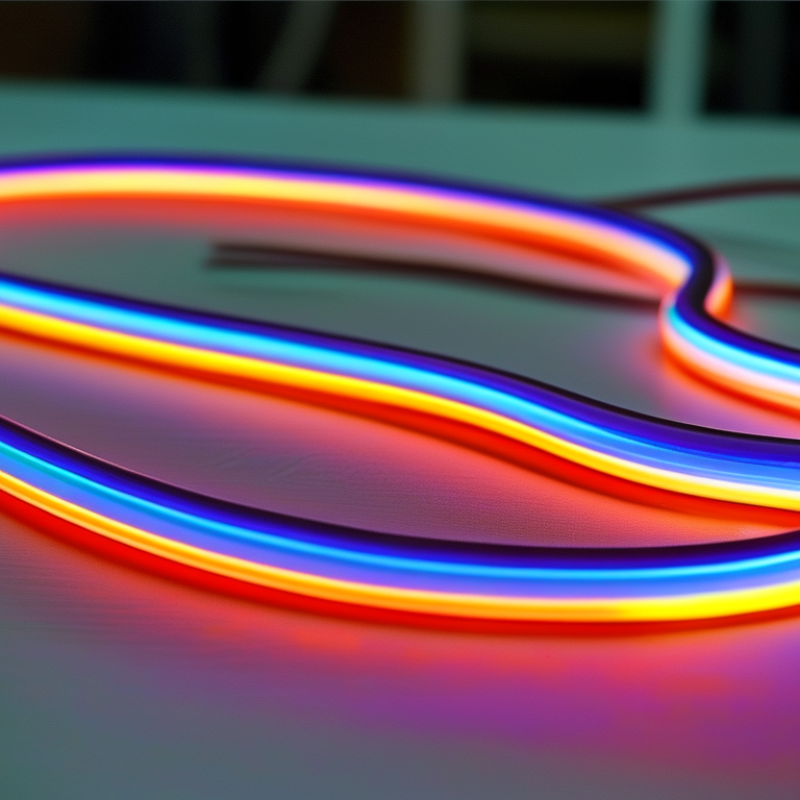
When it comes to modern lighting solutions, LED Neon Flex stands out as a versatile choice. This innovative product combines the aesthetic appeal of traditional neon with the benefits of LED technology. With its flexible design, LED Neon Flex can be shaped to fit various projects, whether for commercial spaces or personal use.
One significant advantage of LED Neon Flex is its energy efficiency. Unlike traditional neon lights, it consumes less power while offering vibrant illumination. The durability of this product also cannot be overlooked. It is resistant to breaking and is designed for long-term use, making it a practical option.
However, choosing LED Neon Flex is not without challenges. It requires proper installation to achieve the desired effect. Some people may find it difficult to work with due to its flexibility. Understanding its properties and limitations is crucial for successful implementation. Ultimately, LED Neon Flex is a game-changer for those looking to add a unique touch to their lighting design.
Benefits of LED Neon Flex Over Traditional Neon Lighting
LED Neon Flex has emerged as a popular choice for various projects. Its advantages over traditional neon lighting are significant. One key benefit is safety. LED strips do not contain hazardous gases and are much less fragile than glass neon tubes.
The energy efficiency of LED Neon Flex is another major draw. It consumes significantly less power than traditional neon. This efficiency translates to lower electricity bills over time. Additionally, its lifespan often exceeds that of traditional neon lights. With an average lifespan of 50,000 hours, LED Neon Flex offers long-term illumination.
Design flexibility is crucial for creative projects. LED Neon Flex is highly customizable. It can be bent into various shapes and curves, allowing for unique designs. However, this adaptability may lead to complicated installations. Some users might find the installation process challenging, requiring careful planning and troubleshooting. Despite these hurdles, the benefits of LED Neon Flex make it a strong contender for your next project.
Why Choose LED Neon Flex for Your Next Project? - Benefits of LED Neon Flex Over Traditional Neon Lighting
| Feature | LED Neon Flex | Traditional Neon |
| Energy Efficiency | Low power consumption | High power consumption |
| Durability | High resistance to breakage | Fragile glass structure |
| Installation Ease | Flexible and easy to install | Complex installation process |
| Safety | Cool to the touch | Can get hot and cause burns |
| Color Options | Wide variety of vibrant colors | Limited color options |
| Lifespan | Up to 50,000 hours | Approximately 15,000 hours |
Versatility and Design Options of LED Neon Flex
LED neon flex has gained popularity for its adaptability and array of design possibilities. This modern lighting solution mimics traditional neon while offering a variety of colors and shapes. It can seamlessly integrate into various environments, from cozy home interiors to vibrant storefronts. Designers appreciate its flexibility, allowing for creative freedom that traditional neon cannot provide.
One of the standout features of LED neon flex is its ability to bend and shape around corners or create intricate motifs. This versatility invites innovative approaches for signage and decor. Whether you're designing a minimalist look or an eye-catching display, LED neon flex caters to diverse aesthetic preferences. However, achieving the perfect design can pose challenges. Trial and error often play a role, reminding designers to be patient and open to adjustments.
Using LED neon flex also encourages sustainable practices. This material consumes less energy than traditional lighting, contributing to a greener environment. Nevertheless, it’s crucial to consider installation and maintenance costs. Evaluating these aspects ensures a balanced approach to your project. Embracing LED neon flex can transform your designs, reflecting both modern trends and environmental consciousness.
Energy Efficiency and Cost Savings of LED Neon Flex
LED Neon Flex is becoming a popular choice for lighting projects. One key reason is its energy efficiency. Compared to traditional neon signs, LED versions consume significantly less power. This leads to reduced electricity bills, making it an economical option for businesses and individuals alike.
Another important aspect is the longevity of LED Neon Flex. These lights typically last much longer than conventional neon, which means fewer replacements and lower maintenance costs. This durability translates into additional savings over time. It’s essential to consider the initial investment versus the long-term benefits. While some may hesitate due to higher upfront costs, the energy savings can quickly offset these expenses.
However, not all projects may benefit equally from LED Neon Flex. Understanding the specific needs of your project is crucial. For example, certain aesthetics may be desired in high-end retail spaces, where traditional neon offers a classic look. Reflecting on the balance between style and savings is vital. Each project demands careful consideration of factors like location, usage, and design intent to truly maximize efficiency and cost benefits.
Energy Efficiency Comparison: LED Neon Flex vs Traditional Neon
This bar chart compares the energy consumption of LED Neon Flex to that of traditional neon lights. As demonstrated, LED Neon Flex consumes significantly less energy, making it a more efficient choice for your next project.
Safety Features of LED Neon Flex Compared to Glass Neon
LED Neon Flex offers a safer alternative to traditional glass neon signs. Unlike glass, LED neon flex is made from flexible materials that are shatter-resistant. This reduces the risk of injury from broken shards. In busy environments, safety is essential. LED neon flex can withstand accidental bumps, making it ideal for commercial spaces.
Another critical safety feature is the low heat output. Standard glass neon lights can become extremely hot. This presents a fire hazard in enclosed spaces or near flammable materials. LED neon flex operates at a much lower temperature, decreasing this risk significantly.
Users can feel secure knowing their lighting sources are less likely to cause hazards.
LED neon flex also operates on low voltage, which is safer for installation. Lower voltage means a reduced chance of electrical fires. Furthermore, it is energy-efficient. This efficiency contributes to longer-lasting installations, cutting down on upfront and maintenance costs. Even with its advantages, it’s crucial to ensure proper installation. Each project should consider specific site conditions for optimal safety and effectiveness.
Applications and Use Cases for LED Neon Flex in Projects
LED Neon Flex has become a popular choice for various applications in recent years. This flexibility allows designers to create unique lighting features in residential and commercial spaces. According to a report by the International Lighting Association, the demand for flexible lighting solutions is projected to increase by 15% annually. This growth indicates a shift towards creative uses of LED Neon Flex.
One significant application is in event design. Whether for weddings or corporate events, LED Neon Flex can enhance the ambiance. Its lightweight nature makes it easy to install and relocate, providing versatility. In retail, stores utilize LED Neon Flex to create eye-catching displays. The bright, uniform glow captures customers' attention, increasing foot traffic. A study by the Retail Design Institute found that effective lighting can boost sales by up to 30%.
However, there are challenges to consider. Not all LED Neon Flex is created equal. Variations in quality can lead to inconsistent lighting and durability concerns. It’s essential for project managers to research suppliers and choose products that meet safety standards. Understanding these nuances is critical for maximizing the benefits of LED Neon Flex in projects.