How to Choose the Best Pressure Sensitive Labels for Your Needs?
Choosing the right pressure sensitive labels can significantly impact your product packaging and branding. These labels are versatile and can serve various purposes, from labeling products to providing vital information. Understanding your specific needs is crucial. Different materials and adhesives are available, and selecting the right combination can ensure durability and effectiveness.
When considering pressure sensitive labels, factor in the environment in which they will be used. Will they be exposed to moisture or extreme temperatures? These conditions must be addressed to avoid any issues with adhesion or legibility. It’s important to note that not all labels are created equal. Some are better suited for specific applications than others.
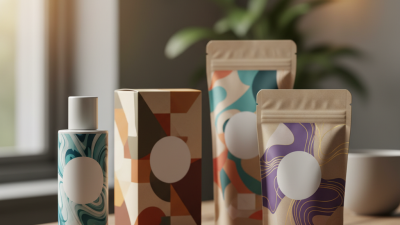
Also, assess the visual appeal of the labels. The design should reflect your brand identity and attract customers. Experimentation with colors, fonts, and finishes can enhance perception. What might seem like a minor detail can influence customer decisions. Ultimately, the choice of pressure sensitive labels requires careful consideration and reflection on your goals and needs.
Understanding Pressure Sensitive Labels and Their Applications
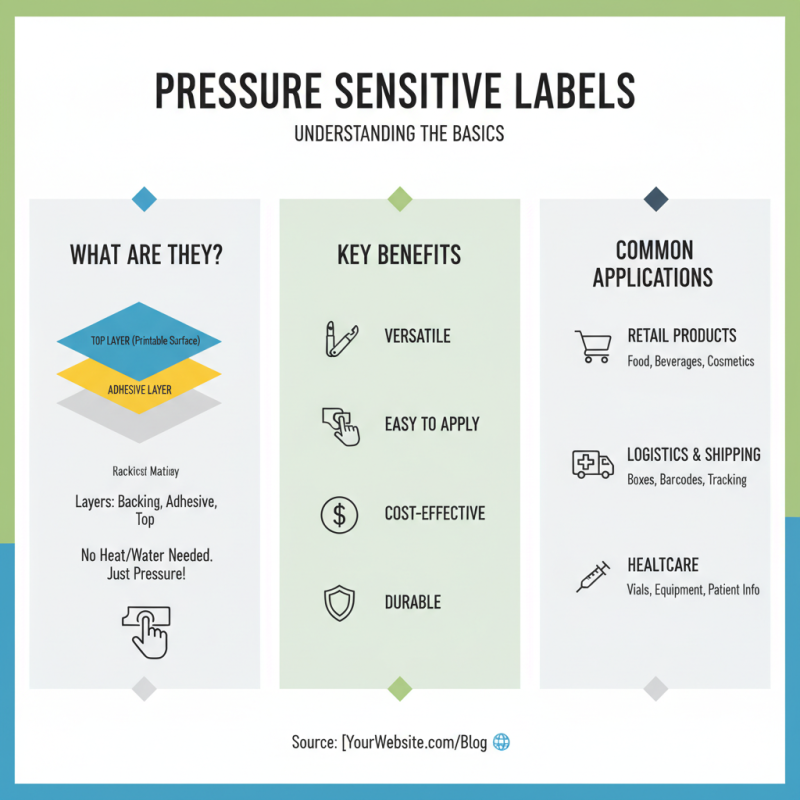
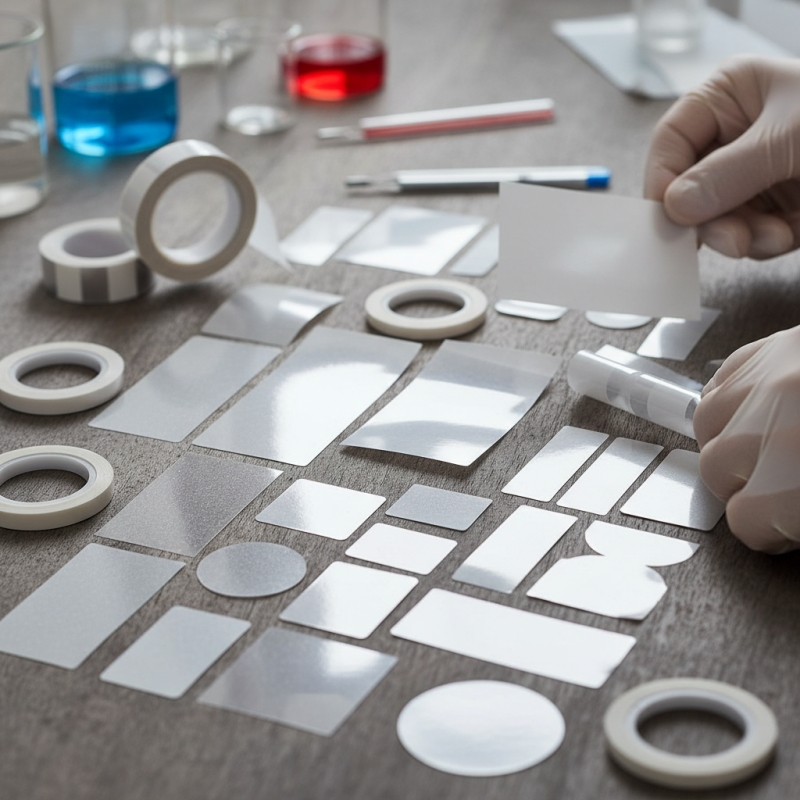
Pressure sensitive labels, often referred to as self-adhesive labels, consist of a backing material, an adhesive layer, and a top layer with printed information. They stick to surfaces simply by applying pressure, requiring no heat or water. This makes them incredibly versatile for various applications. You might see them on products in retail, logistics, or even in healthcare settings.
Choosing the right pressure sensitive label depends on the application. For example, if you're labeling products exposed to moisture, a waterproof label is essential. For items that will be handled frequently, selecting a durable label can prevent wear and fading. Consider the finish as well; matte and glossy options can impact visibility and aesthetics.
However, it’s vital to assess your needs regularly. Sometimes, businesses overlook the importance of testing label adhesion under different conditions. Incorrect choices can lead to labels peeling off or becoming unreadable. This not only affects branding but may also cause logistical issues. Reflecting on your previous labels can inform better future decisions.
Identifying Your Specific Labeling Needs and Requirements
When choosing pressure-sensitive labels, it's crucial to identify your specific labeling needs. Think about where the labels will be used. Indoor and outdoor applications require different materials. For example, labels exposed to moisture need durable adhesive and weather-resistant materials. Consider the temperature range too. Some labels perform poorly in extreme heat or cold.
Think of the surface to which the label will adhere. Smooth surfaces like glass are different from rough surfaces like wood. How will the labels be applied? Manual applications might need different properties than machine applications. Also, consider the design. Clear labels might suit some products better, while vibrant colors work well for others.
Understanding your audience is key. How will consumers interact with your product? Clear information is essential. Compliance with regulations can be overwhelming. Reflect on the requirements in your industry. Safety labels have strict guidelines. Evaluate your current supplier's capabilities too. Do they align with your needs? This helps avoid future issues and ensures a smoother process.
Pressure Sensitive Labels: Material Preference Analysis
This chart illustrates the preferred materials for pressure sensitive labels based on user surveys. The data indicates that synthetic materials are the most preferred, followed by paper and vinyl options.
Evaluating Different Types of Pressure Sensitive Label Materials
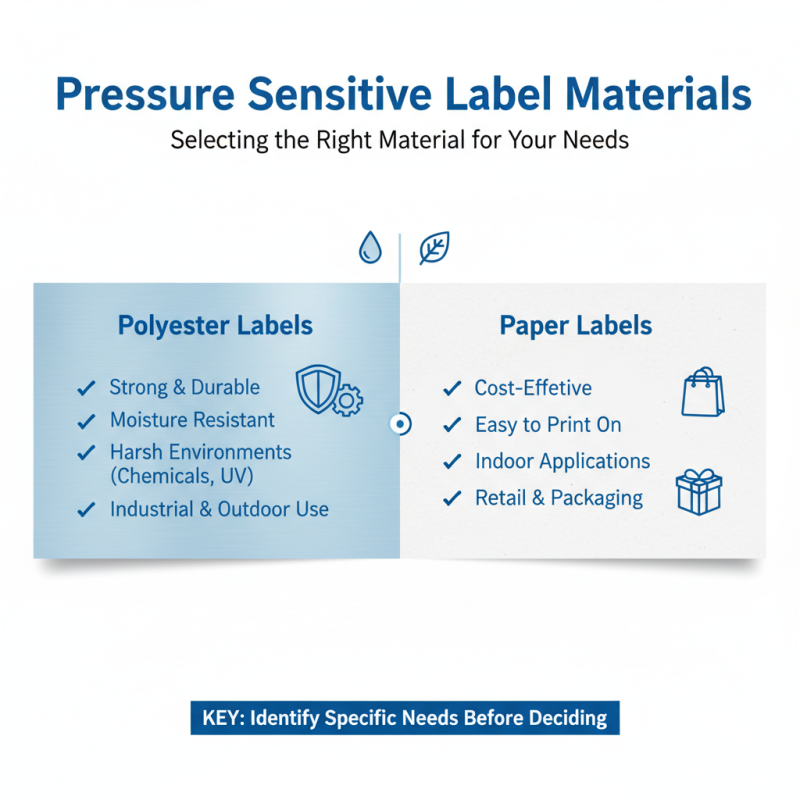
When selecting pressure sensitive labels, the material plays a crucial role in performance and durability. Various materials offer unique characteristics. For example, polyester labels are strong and resistant to moisture, making them suitable for harsh environments. Conversely, paper labels are more cost-effective and can be used for indoor applications. It's essential to identify your specific needs before deciding.
Consider the surface to which the labels will adhere. Different materials bond better with certain surfaces. A smooth surface may allow greater adhesive performance than a textured one. Reflecting on this detail can avoid potential issues. Additionally, not all adhesives are created equal. A permanent adhesive may be necessary for long-term use, while a removable adhesive works for temporary labeling. Test samples whenever possible to ensure the chosen material meets your expectations.
Furthermore, evaluate the environment in which the labels will be used. Temperature extremes, moisture, or exposure to chemicals can affect label performance. Sometimes, materials that seem perfect might fail in real-world conditions. It's wise to consider potential pitfalls. A deep understanding of your application will help in making an informed decision. Ultimately, your choice should align with both functionality and cost-effectiveness.
Choosing Adhesive Types Based on Environmental Factors and Surfaces
Choosing the right adhesive for pressure-sensitive labels is crucial. Environmental factors significantly influence performance. For instance, temperature fluctuations can affect adhesion strength. A study from the Adhesive and Sealant Council noted that labels exposed to extreme temperatures may lose stickiness over time.
When labeling wet or oily surfaces, pressure-sensitive adhesives (PSAs) can be a challenge. Standard adhesives may not bond well when moisture is present. Data from the Technical Association of the Pulp and Paper Industry suggests that specific PSAs are formulated for wet environments. These adhesives ensure labels stay attached, even in challenging conditions.
Consider the surface material when selecting adhesive types. Rough or textured surfaces require a different adhesive than smooth surfaces. The Surface Energy and Adhesion report indicates that improper adhesive choice can lead to early label failure. Testing different adhesives on sample surfaces helps in making informed decisions. Reflecting on these factors can improve label performance and satisfaction.
How to Choose the Best Pressure Sensitive Labels for Your Needs?
| Label Type |
Best Surfaces |
Environmental Factor |
Adhesive Type |
Temperature Range |
| Vinyl Labels |
Plastic, Metal |
Outdoor, UV Exposure |
Permanent Adhesive |
-20°C to 80°C |
| Paper Labels |
Cardboard, Smooth Surfaces |
Moderate Humidity |
Removable Adhesive |
0°C to 40°C |
| Polyester Labels |
Glass, Wood, Metal |
Chemical Resistance |
High Tack Adhesive |
-40°C to 120°C |
| Clear Labels |
Glass, Plastic |
Indoor Use |
Permanent Adhesive |
0°C to 60°C |
Selecting the Right Size, Shape, and Finish for Your Labels
When selecting pressure-sensitive labels, size, shape, and finish significantly impact your choice. The right size ensures that your label fits well on the product. A label that’s too large may look unprofessional. Conversely, a small label might not provide enough information. Measure your product correctly before committing to a size.
Shape also plays a crucial role in label effectiveness. Rectangular labels are versatile and easy to print. Unique shapes can grab attention but may require special cutting and printing processes. Balance creativity with practicality.
Finish is equally important. A glossy finish enhances color vibrancy, while a matte finish offers a classic look. Consider the product's use. For instance, if your products are exposed to moisture, a durable finish can protect the label.
Tips: Test out samples of different sizes and shapes. Gather feedback from colleagues or potential customers. This input can guide you toward the most suitable options. Keep in mind that not every finish suits every product. Experimentation can lead to unexpected insights.