How to Choose the Best Stand Up Bags for Your Business?
Choosing the right Stand Up Bags is crucial for your business’s success. According to a recent market research report, the demand for flexible packaging solutions has surged, with the stand up bags segment projected to grow at a compound annual growth rate (CAGR) of over 5% through 2027. This growth is driven by their versatility and ability to enhance product visibility.
Stand up bags are popular among various industries, from food to cosmetics. Their design not only provides convenience but also ensures optimal shelf life for products. However, selecting the best stand up bags requires careful consideration of various factors. It’s essential to assess materials, sizes, and closure options.
Many businesses struggle with finding the right fit for their needs. A lack of knowledge about bag quality can lead to poor brand perception. Understanding customer preferences and market trends is vital. While stand up bags offer many benefits, it’s important to reflect on your brand’s unique requirements and sustainability goals before making a decision.
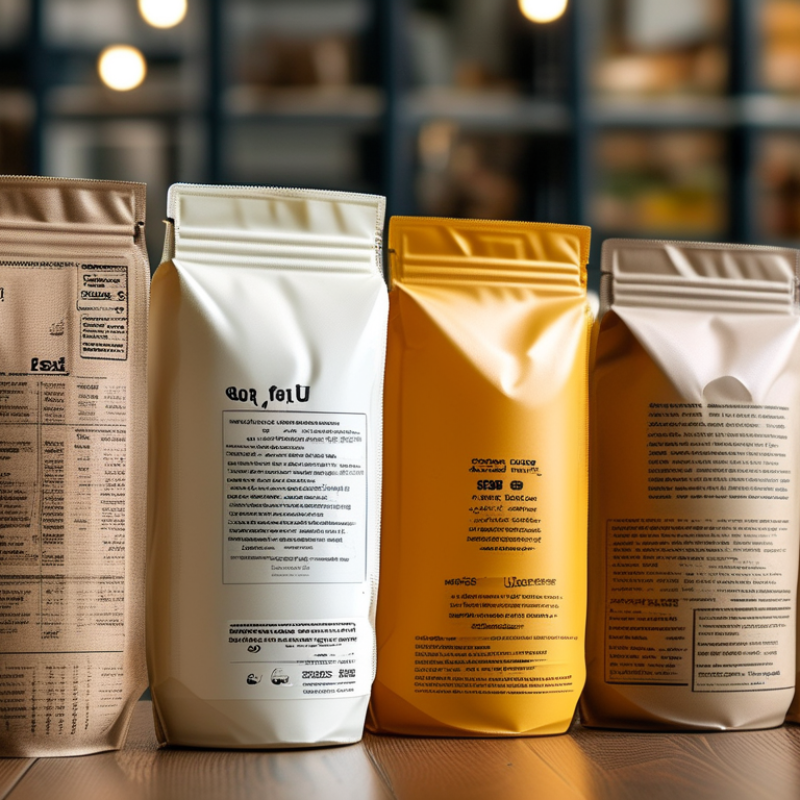
Understanding Stand Up Bags: Types and Materials Overview
Stand-up bags are versatile packaging solutions that come in various types and materials. The most common type is the foil bag, known for its excellent barrier properties. These bags protect contents from moisture and oxygen, making them ideal for food products. Another popular choice is the plastic stand-up bag, often made from polyethylene or polypropylene. These bags are lightweight and cost-effective, suitable for non-perishable items.
When selecting materials, consider potential drawbacks. While foil bags provide superior protection, they can be less sustainable. Plastic bags, on the other hand, often present recycling challenges. Additionally, think about the bag's thickness. Thicker bags may offer better protection but also increase costs. Eco-friendly options, such as compostable films, are emerging but may not always meet the same performance standards.
It's essential to reflect on your needs and customer preferences. For example, if your product is sensitive to light, opt for darker materials. If speed of packing is a priority, consider bags with easy-open features. Balancing functionality, sustainability, and cost can be tricky. Each choice affects your brand image and customer satisfaction.
Evaluating Size and Capacity for Optimal Product Packaging
When choosing stand-up bags for your business, size and capacity are crucial. The right dimensions can protect your products while appealing to customers. Consider the volume of your products. Assess their weight and shape. Will they require extra space or cushioning? A bag too large might lead to waste. A bag too small might damage the contents.
Think about the retail environment, too. Shelf space is often limited. A well-sized bag can enhance visibility. It should also fit comfortably in consumers' hands. A comfortable grip encourages purchases. Testing different sizes can reveal what works best for your brand.
Data informs these choices. Feedback from customers helps refine specifications. Engaging with suppliers can provide insights into capacity options. No size fits all, though. Don’t dismiss the potential for experimenting with varying dimensions. Analyze sales data and gather insights to adjust packaging strategies. This process may uncover new market opportunities.
Assessing Barrier Properties for Freshness and Shelf Life
When choosing stand-up bags for your business, assessing barrier properties is crucial for maintaining freshness and extending shelf life. According to a report by Packaging Strategies, proper barrier materials can decrease oxygen transmission rates by up to 80%. This is essential for products like snacks and dry goods, where freshness is key to customer satisfaction.
Effective barrier properties play a significant role in protecting against moisture, light, and gases. A well-crafted bag prevents spoilage and degradation, which can lead to significant losses. Many businesses underestimate the impact of packaging on product quality. While some may opt for cheaper options, investing in higher-quality materials ensures longer shelf life and happier customers.
**Tips:** Always conduct compatibility tests. Testing the bag with your product helps identify potential interactions. This step can save you from unexpected spoilage. Educate your team about barrier properties. Knowledge can lead to more informed decisions about packaging. Lastly, consider the environmental impact. Sustainable options can appeal to eco-conscious consumers while preserving product integrity.
Cost Analysis: Budgeting for Quality Stand Up Bags
When budgeting for stand-up bags, consider various factors. Quality and durability should be your main focus. These bags protect products and enhance visual appeal. Cheaper options may seem attractive, but they often compromise on strength and usability. Invest in bags that can withstand handling and shipping without tearing.
Analyze your target market. High-end products may require premium materials. On the other hand, budget items may only need basic quality. Knowing your audience helps you make informed choices. It’s also wise to explore bulk purchasing. Many suppliers offer discounts for larger orders. This approach can significantly lower your overall costs.
Monitor your expenses closely. It’s easy to overspend on hype rather than necessity. Compare prices across different suppliers. Evaluate the materials used and the production process. Do they align with your values and business goals? Quality may require a higher initial investment but can save costs in the long run through reduced waste and returns. Aim for bags that deliver both functionality and brand representation.
Sustainability Considerations in Choosing Stand Up Bags
When choosing stand up bags for your business, sustainability is a key factor. Many materials can be used, but not all are eco-friendly. Look for options made from biodegradable or recyclable materials. While these may cost more upfront, their long-term environmental impact can be significant.
Consider the lifecycle of your packaging. Some stand up bags may look appealing but can harm the ecosystem. Assess how the bags will be disposed of after use. Will they end up in landfills, or can they be recycled? Transparency in sourcing is vital. Understand where materials come from and the manufacturing process.
Engage with your customers about their preferences. Some consumers are lean towards sustainable options. Their feedback can guide your choices. Reflect on your packaging decisions. Are they truly contributing to sustainability? Being conscious of your impact can lead to better choices and a positive image for your brand.