What is Craft Labels and How to Use Them for Your DIY Projects
Craft labels have become an essential component in the world of DIY projects, serving not only functional purposes but also enhancing the aesthetic appeal of handmade creations. According to a recent survey from the Craft and Hobby Association, the DIY market is currently valued at over $40 billion, with a significant portion driven by the rising popularity of personalized, handmade goods. As consumers increasingly seek unique and customized items, the demand for craft labels is on the rise, enabling creators to add a professional touch to their projects while also providing vital information about materials and care instructions.
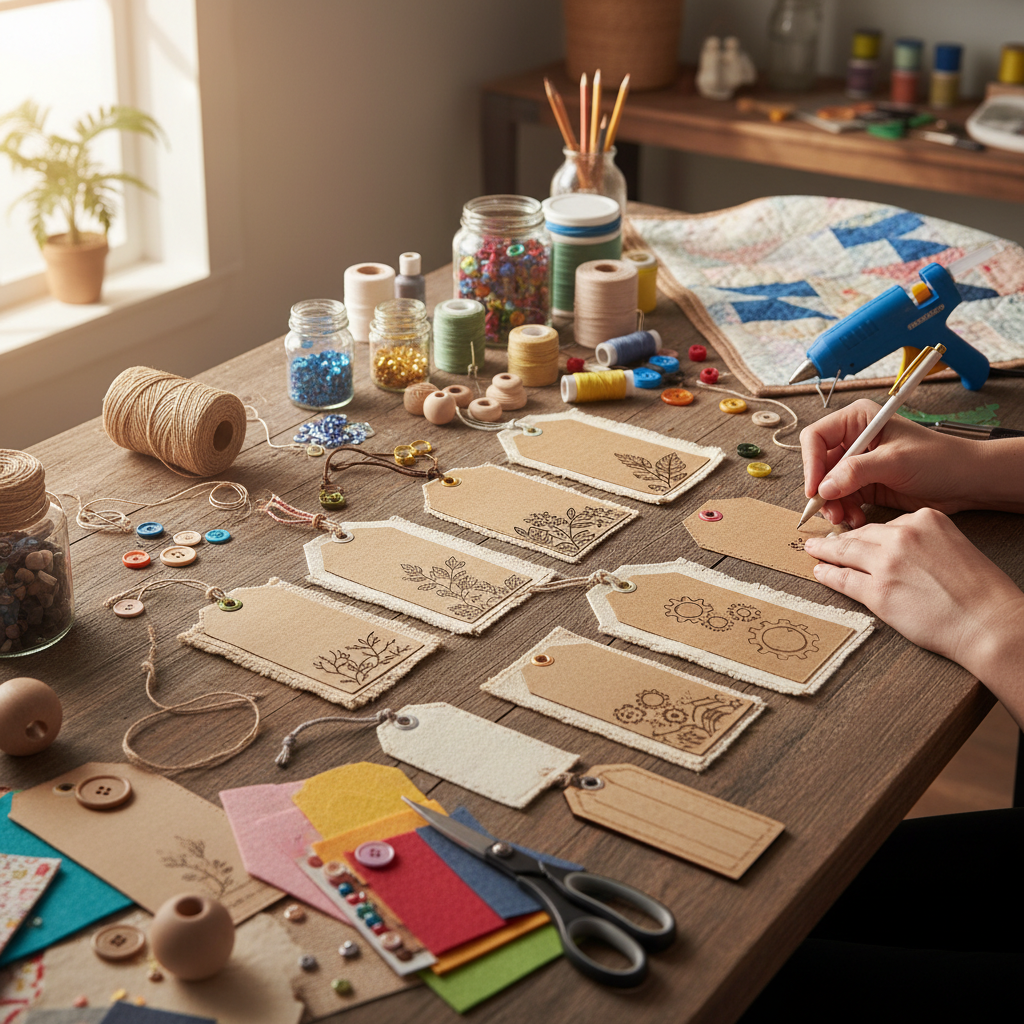
Incorporating craft labels into your DIY endeavors is not merely about decoration; it's about storytelling and branding your creations. A well-designed label can elevate a simple craft to a marketable product, a key factor noted in a report by The NPD Group, which found that approximately 53% of consumers prefer buying handmade products that showcase transparency in sourcing and branding. By using craft labels effectively, crafters can provide authenticity and connect with their audience on a deeper level. In this article, we will explore the top 10 ways to leverage craft labels for your DIY projects, ranging from practical applications to creative strategies that will make your crafts stand out in a competitive market.
Understanding Craft Labels: Definition and Importance in DIY Projects
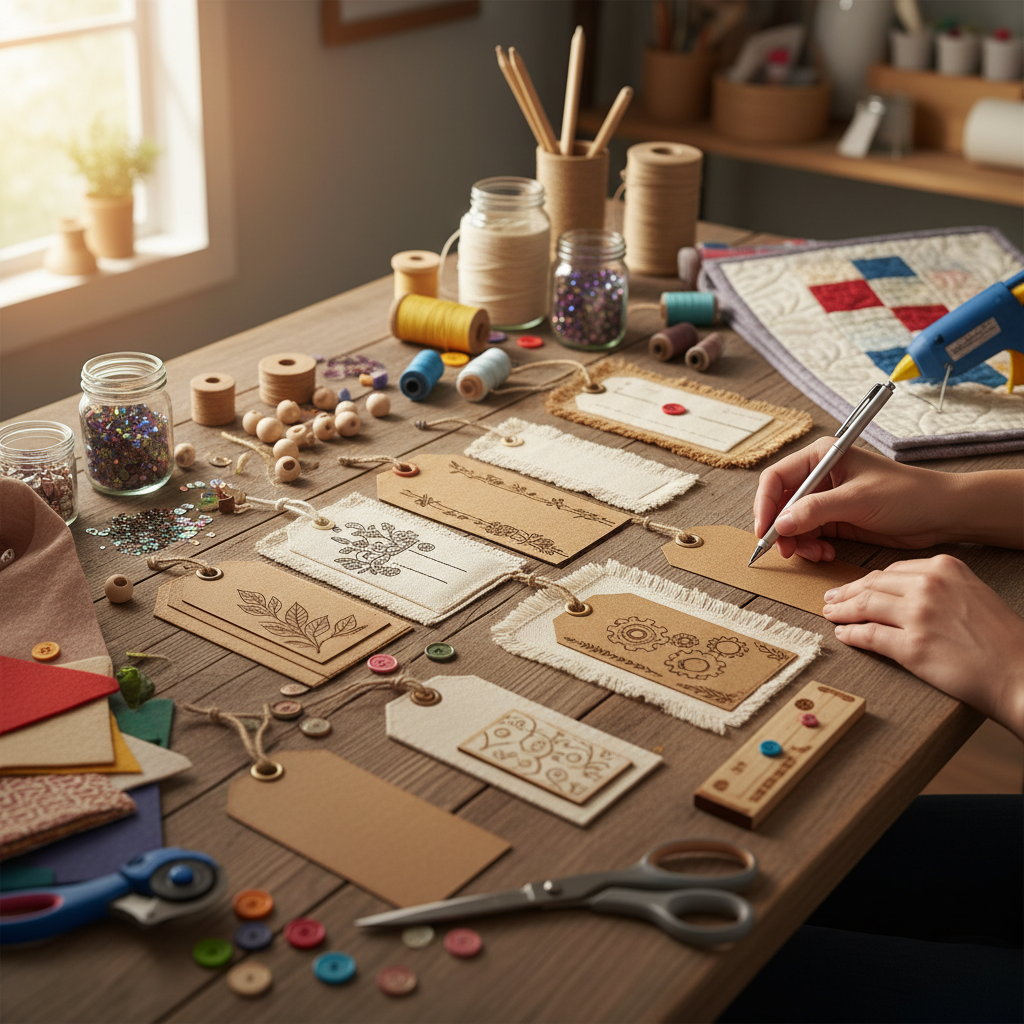 Craft labels serve as essential tools in DIY projects, providing organization and personalization. These labels can enhance the aesthetic appeal of your projects while simultaneously helping you keep track of your materials and finished items. With varying sizes, shapes, and designs available, craft labels can be tailored to suit any project, whether it’s labeling jars in your craft room or organizing supplies in your workshop.
Understanding the importance of craft labels goes beyond mere decoration; they contribute significantly to efficiency and creativity in DIY endeavors. By utilizing craft labels, creators can quickly identify items, ensuring a smooth workflow and minimizing frustration during the crafting process. Moreover, they offer an opportunity for artistic expression, allowing individuals to showcase their style and creativity through custom designs. Incorporating craft labels into your DIY projects not only streamlines your workspace but also adds a touch of flair and personalization, making each creation truly unique.
Statistics on the Growth of Craft Label Usage in the DIY Market
The rise of craft labels in the DIY market has been remarkable, with statistics revealing a steady increase in their usage over recent years. According to recent data, nearly 60% of crafters reported using labels in their projects, a significant jump from just 35% five years ago. This surge can be attributed to the growing trend of personalization in DIY projects, as crafters seek to add unique touches to their creations. Additionally, the convenience of pre-made labels and the accessibility of crafting supplies have contributed to this upward trajectory in label usage.
Another compelling statistic highlights that the craft label market itself is projected to grow by 20% annually over the next few years. This growth signifies that more DIY enthusiasts are recognizing the potential of labels not only for organization but also as a means of expression. Labels can transform a simple craft into a finished product with a professional touch, making them an essential tool for both hobbyists and entrepreneurs. As the DIY culture continues to evolve, the integration of craft labels appears set to become an integral aspect of creative projects, further enhancing the personalization and aesthetic appeal of homemade items.
Top 5 Types of Craft Labels and Their Best Applications
Craft labels are essential tools for both organization and personalization in various DIY projects. According to a report by Smithers Pira, the global market for decorative labels is projected to reach $39.6 billion by 2026, reflecting a growing interest in crafting and personalized projects. This trend highlights the importance of using the right types of labels to enhance creativity and functionality in crafting.
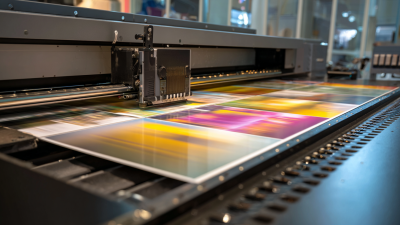
Among the top five types of craft labels, paper labels stand out for their versatility in scrapbooking and gift packaging, providing a rustic and charming touch. Vinyl labels are ideal for creating durable, waterproof markings on a range of surfaces, making them perfect for outdoor projects or home organization. Moreover, chalkboard labels allow for easy reusability, enabling crafters to update their designs without waste. Additionally, washi tape labels bring a decorative flair while serving as a functional tool for labeling jars or containers, particularly in kitchen or craft spaces. Finally, custom printed labels offer a professional touch for small businesses, allowing artisans to showcase their brand effectively. With such a diverse array of applications, incorporating craft labels can elevate the quality and appeal of any DIY endeavor.
Tips for Designing Custom Craft Labels for Maximum Impact
When it comes to designing custom craft labels that make a lasting impression,
understanding your target audience is crucial. According to a report by MarketsandMarkets, the global DIY market
is projected to reach $13.9 billion by 2026, showcasing the growing
interest in personalized and handmade items. Craft labels play a vital role in this trend, not only providing
essential information but also enhancing the aesthetic appeal of your projects. To maximize impact, consider
utilizing vibrant colors and unique shapes that reflect the theme of your DIY project,
as visuals can significantly influence consumer perceptions and choices.
In addition to aesthetics, it's essential to focus on the functionality of your craft labels. A study published
in the Journal of Marketing Research found that labels
with clear, concise information are more effective in grabbing attention and prompting purchase actions.
Therefore, when designing your labels, prioritize legibility and
relevance; ensure that the text is easy to read and the design complements the overall project.
Furthermore, integrating eco-friendly materials into your labels aligns with the growing consumer preference
for sustainability, as reported by a 2022 Nielsen survey,
where 73% of millennials indicated they would pay more for sustainable products.
By combining appealing design with practical information and sustainability, you can create craft labels that
not only look great but also resonate with your audience.
Best Practices for Organizing and Storing Craft Labels Efficiently
When it comes to organizing and storing craft labels efficiently, having a systematic approach is key.
First, categorize your labels based on their intended use, such as for scrapbooking, gift-wrapping, or home organization.
Use clear bins or folders to separate these categories, making it easy to access specific labels when needed.
Label each container for quick identification, ensuring that you can find the right label without sifting through a pile of options.
Additionally, consider investing in a digital labeling system.
Use apps or software that allow you to create and print labels for your craft supplies.
This not only keeps your labels organized but also adds a professional touch to your projects.
Regularly assess your label storage, discarding any that are outdated or no longer useful, and take the time to reorganize as needed.
This ongoing maintenance will ensure that your labeling system remains effective and enjoyable to use.