How to Create Effective Product Labels That Attract Customers and Boost Sales
Creating effective product labels is crucial for businesses aiming to attract customers and enhance sales. According to marketing expert Jane Smith, "Well-designed product labels serve not just as a form of identification, but as a powerful tool to communicate brand values and engage consumers." In today's competitive market, product labels are often the first impression a customer has of a product, making it essential for them to be visually appealing and informative.
An effective product label can convey key information about the product while also standing out on the shelf. By understanding the psychology behind design choices, businesses can craft labels that resonate with their target audience. Elements such as color, typography, and imagery play a significant role in capturing attention, while clear messaging ensures that consumers know what to expect from the product. As Jane Smith emphasizes, "The right label can turn casual shoppers into loyal customers."
In essence, investing time and resources into the creation of impactful product labels can lead to increased visibility and sales. This article will explore strategies and best practices for designing labels that not only catch the eye but also effectively communicate the essence of the product, ultimately leading to greater customer satisfaction and brand loyalty.
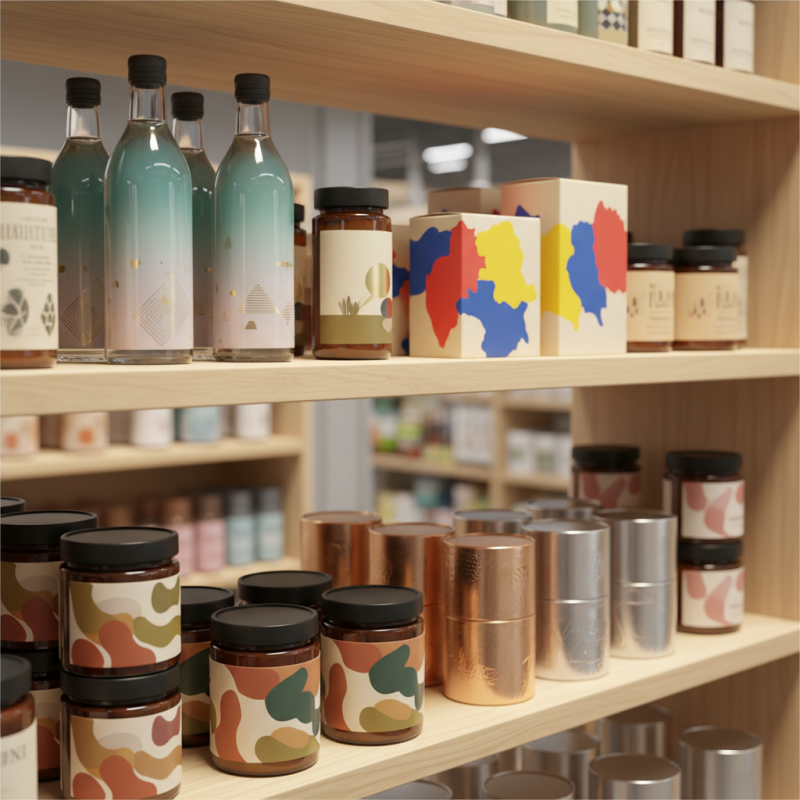
Understanding the Importance of Product Labels in Consumer Choice
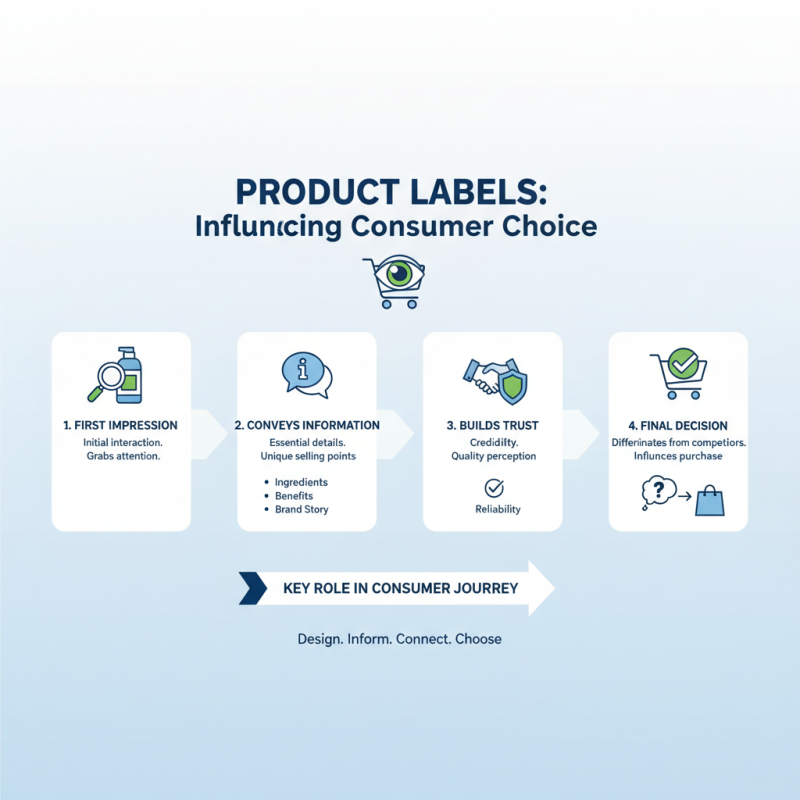
Product labels play a crucial role in influencing consumer choice, often acting as the first point of interaction between a product and its potential buyer. Effective product labels convey essential information, highlight unique selling points, and establish a connection with the target audience. A well-designed label not only attracts attention but also builds trust and credibility, making it an integral part of the consumer decision-making process. When consumers are faced with multiple options, the label can ultimately determine which product they choose.
Tips for creating an attractive product label include using vibrant colors and clear typography to ensure visibility and readability. Incorporate elements that reflect the brand's identity and evoke the right emotions in consumers. Emphasizing key benefits or ingredients directly on the label can draw in health-conscious buyers or those seeking specific features. Additionally, ensure that the layout is uncluttered; too much information can overwhelm potential customers and detract from your product’s appeal.
Another valuable tip is to invest in high-quality materials for your labels. The feel of a label can enhance the perceived value of a product. For instance, a soft-touch finish or a glossy surface can create a tactile experience that resonates with consumers. Consistency in labeling across different products in a line can strengthen brand recognition and loyalty, making it easier for customers to associate quality with your brand.
Key Elements of Effective Label Design: Colors, Fonts, and Images
When designing product labels, the choice of
colors can profoundly impact consumer perception and engagement.
Bright, vibrant colors often convey energy and excitement, making them ideal for products targeting younger audiences. Conversely, muted tones can evoke feelings of sophistication and trust, appealing to a more mature demographic. The psychology of color should guide your decisions, as different hues can trigger specific emotions; for instance, red can entice urgency, while blue tends to promote feelings of calm. By strategically selecting colors that resonate with your target market, you can create labels that capture attention and drive purchasing decisions.
Fonts play an equally crucial role in label design. The typography must be legible and reflect the brand's identity, whether it’s playful and modern or classic and elegant. A clean, sans-serif font can portray a contemporary vibe, while a serif font may suggest tradition and reliability. Additionally, the hierarchy of text—what is bold or larger—guides consumers through the label, highlighting key information such as product benefits or special features. Combining complementary fonts can also enhance visual appeal, ensuring that the label is not only informative but also aesthetically engaging.
Images and graphics are essential for creating a connection with potential buyers. High-quality visuals can illustrate the product's usage or benefits more effectively than text alone. Images should be directly related to the product and evoke a desirable lifestyle or emotion—this can significantly enhance the customer's perception of value. Simple yet striking graphics can also reinforce brand recognition, making your product stand out on the shelves. By thoughtfully integrating colors, fonts, and images, brands can craft labels that not only attract customers but also elevate their overall shopping experience.
The Role of Regulatory Compliance in Product Labeling
When creating product labels, regulatory compliance is a critical aspect that manufacturers must prioritize. Different regions have distinct regulations that govern the information that must be displayed on labels, including ingredients, nutritional information, and safety warnings. Adhering to these guidelines is not only essential for legal compliance but also helps build trust with consumers. A label that meets all regulatory standards signals to customers that the brand takes accountability and quality seriously, which can be a deciding factor in their purchasing decisions.
Moreover, compliance with labeling regulations can prevent costly recalls and potential lawsuits that stem from misleading or incomplete information. Understanding the specific requirements of different markets can help businesses avoid pitfalls associated with labeling non-compliance. Therefore, investing time and resources in thoroughly researching regulatory standards is crucial. By ensuring that product labels are not only attractive but also compliant, companies can create an effective marketing tool that resonates with informed consumers while safeguarding their business interests.
Utilizing Market Research to Tailor Labels for Target Audiences
Understanding your target audience is crucial when designing effective product labels. Utilizing market research allows you to gather insights about consumer preferences, behaviors, and demographics. By analyzing data such as buying habits and preferences, you can tailor your labels to resonate with the specific needs and desires of your audience. This ensures that your labels not only stand out on the shelf but also connect with customers on a personal level.
**Tips for Effective Label Design:**
Engage in surveys and focus groups to gather direct feedback from potential customers. Use this feedback to refine your label's color scheme, fonts, and imagery to better align with your audience's tastes. Additionally, analyze competitors’ labels to gain insights into successful strategies and avoid common pitfalls.
Moreover, consider conducting A/B testing with different designs to see which version generates more engagement. This iterative approach allows you to optimize your labels based on real consumer reactions, ultimately leading to higher sales conversions. By continuously refining your approach based on market research, you can create labels that not only attract customers but also effectively communicate your product's value.
Effectiveness of Different Product Label Designs
Measuring the Impact of Product Labels on Sales Performance
The influence of product labels on sales performance is a crucial area of study for marketers and retailers alike. Research indicates that nearly 70% of purchasing decisions are made at the point of sale, highlighting the significant role that effective labeling can play in driving consumer behavior.
An analysis conducted by the Nielsen Company found that products with eye-catching labels can lead to a 33% increase in sales compared to those without. This underscores the importance of design, color, and information presentation in capturing shopper attention.
Furthermore, the labeling also serves as a vital communication tool regarding product attributes and benefits. According to a survey by Label Insight, 94% of consumers are more likely to be loyal to a brand that offers complete transparency in labeling. This suggests that incorporating clear and accessible information about ingredients, sustainability, and usage can not only attract customers but also enhance brand loyalty. In a crowded marketplace, the effectiveness of product labels can truly make or break a product’s success on the shelves, impacting overall sales performance significantly.