What is Curve Belt Conveyor and How Does it Work?
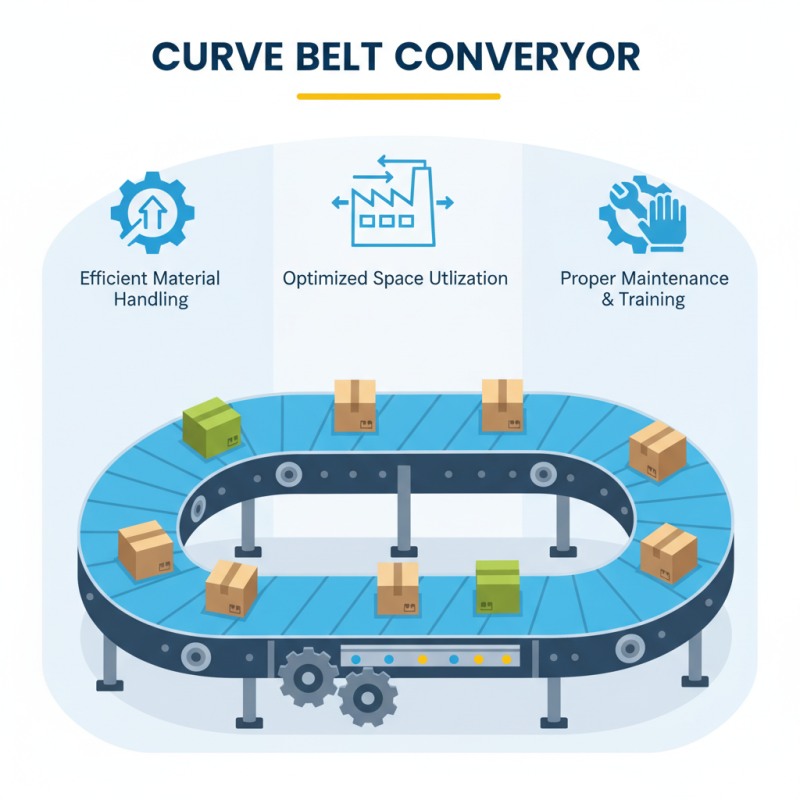
The Curve Belt Conveyor is a specialized system designed for efficient material handling. Many industries utilize this technology to transport goods around corners. Its design is unique, allowing for smooth transitions in various layouts. This feature drastically improves space utilization within facilities.
Understanding how a Curve Belt Conveyor works can help businesses optimize their processes. It uses a belt that moves along curved paths, accommodating different angles. This allows materials to be directed where needed without manual intervention. However, not all systems function the same way, and issues can arise with wear and tear.
It is crucial to maintain these conveyors properly. Neglecting maintenance can lead to inefficiencies and possible breakdowns. Investing time in training staff on their operation is equally important. Familiarity with the system ensures smooth performance and productivity. Reflecting on these aspects can lead to better choices and improvements in material movement strategies.
What is a Curve Belt Conveyor?
A curve belt conveyor is a specialized type of conveyor system designed to transport goods along a curved path. This technology is vital in industries like manufacturing, logistics, and warehousing. It allows for efficient movement of materials in confined spaces, optimizing floor layout and workflow. These conveyors can smoothly navigate around corners, maintaining product orientation during transit.
Reports indicate that the global conveyor systems market is projected to grow significantly, with curve belt conveyors driving this trend. According to an industry analysis, approximately 30% of conveyor systems in modern warehouses are curves. This design minimizes bottlenecks. However, curve belts can pose challenges. One concern is varying tension across the belt, which can lead to misalignment. Elevation changes also impact performance, requiring careful engineering.
Curved conveyors are often more expensive than straight conveyors, adding to initial setup costs. Maintenance can be complex, demanding expertise. Despite these challenges, the efficiency gains often outweigh the drawbacks. Many businesses see improved productivity and reduced manual handling risks. Balancing investment with operational efficiency is key when integrating curved conveyors in existing systems.
Performance Metrics of Curve Belt Conveyors
Key Components of Curve Belt Conveyors
Curve belt conveyors are essential in many industries, enabling efficient material handling and transportation. Key components play a vital role in their operation. The belt is crafted for flexibility and strength, allowing it to navigate curves smoothly. According to industry reports, over 70% of automated systems in logistics use some form of curved conveyors.
The framework, or structure, of these conveyors provides support and stability. Typically made from high-grade steel or aluminum, it ensures durability. Rollers are another critical element. They facilitate the belt's movement around the curves, reducing wear and tear. Proper configuration can lead to a reduction in energy consumption by up to 25%.
Additionally, drive systems must be well-designed for optimal performance. They need to ensure that the belt maintains tension, especially on long curves. Misalignment or insufficient drive power might lead to belt slippage. This could increase operational costs and reduce efficiency. Not every component works perfectly, and regular maintenance is crucial to address wear issues. Observing performance metrics helps identify areas for refinement.
Working Principles of Curve Belt Conveyors
Curve belt conveyors are essential in many industries. These systems transport materials around corners and through tight spaces. They are designed to maintain product orientation, making them ideal for package handling.
The working principle of curve belt conveyors revolves around a series of pulleys and a flexible belt. As the belt moves, it follows the curve's path, effectively shifting materials without disruption. The conveyor's unique design allows for continuous operation, which increases efficiency in production lines.
The curvature and belt tension must be precisely calculated. Improper tension can cause slippage or damage. Additionally, regular maintenance is crucial. Neglecting these aspects may lead to operational failures. Although they are efficient, setting up curve belt conveyors requires careful planning and expertise.
Applications and Benefits of Curve Belt Conveyors
Curve belt conveyors are increasingly popular in various industries due to their versatility. These systems can efficiently transport materials around corners and bends, optimizing space and improving workflow. With the ability to navigate tight spaces, they are ideal for manufacturing, distribution centers, and packaging lines.
One major benefit of curve belt conveyors is their ability to maintain product alignment during transport. This feature reduces the risk of damage to items, which is crucial in sensitive industries like food and pharmaceuticals. Additionally, these conveyors can handle diverse materials and weights, making them adaptable to different operational needs.
However, curve belt systems require precise installation and regular maintenance. Operators must address wear on the belt and roller parts. Neglecting these aspects can lead to inefficiencies. Careful planning and ongoing evaluation are essential for maximizing their advantages while minimizing operational challenges.
Maintenance and Safety Considerations for Curve Belt Conveyors
Curve belt conveyors are essential in various industries, but they require careful maintenance. Regular checks can prevent serious issues. Daily inspections should focus on belt alignment and wear. This ensures smooth operation and prevents accidents.
Safety is paramount. Training employees on proper usage is crucial. Clear signage around the conveyor helps remind workers of potential hazards. Emergency stop buttons should be easily accessible. Regular maintenance schedules can help avoid unexpected downtime.
Inadequate maintenance can lead to costly repairs. Neglecting safety protocols may result in injuries. Companies must learn from past mistakes. A proactive approach to maintenance and safety can enhance efficiency. This ultimately protects both the workforce and machinery.