
What Is a Deodorant Container and Which Type Is Best?

Choosing a Deodorant Container is not merely a packaging decision. It affects product protection, application, storage, shipping, and end-of-life handling.

A Deodorant Container may be a twist-up stick, roll-on bottle, squeeze tube, or refillable case. Each design creates different user experiences. A twist-up stick feels clean and quick. A roll-on spreads a cool, liquid layer across the skin. A squeeze tube can reduce mechanical parts, but it may become messy near the cap. Small details matter. Does the lid stay closed in a gym bag? Can the last few grams be used? Does the container crack after repeated bathroom drops?

Ellen MacArthur, founder of the Ellen MacArthur Foundation, stated, “A circular economy is restorative and regenerative by design.” Her principle offers a useful standard for evaluating deodorant packaging. A strong Deodorant Container should use suitable materials, minimize unnecessary components, and support realistic recovery or reuse systems. Recyclability alone is not enough. Local facilities may reject mixed materials or small plastic parts. That uncomfortable fact deserves attention.

There is no universally best container. The best choice depends on formula viscosity, application habits, manufacturing limits, and regional waste infrastructure. A refillable aluminum case may perform well for frequent users, while a lightweight plastic stick may reduce transport weight. Still, durability and convenience can encourage better daily use. This guide examines each type closely, including benefits, weaknesses, and overlooked trade-offs. Some conclusions may remain imperfect. Packaging decisions often involve compromise, not perfection.
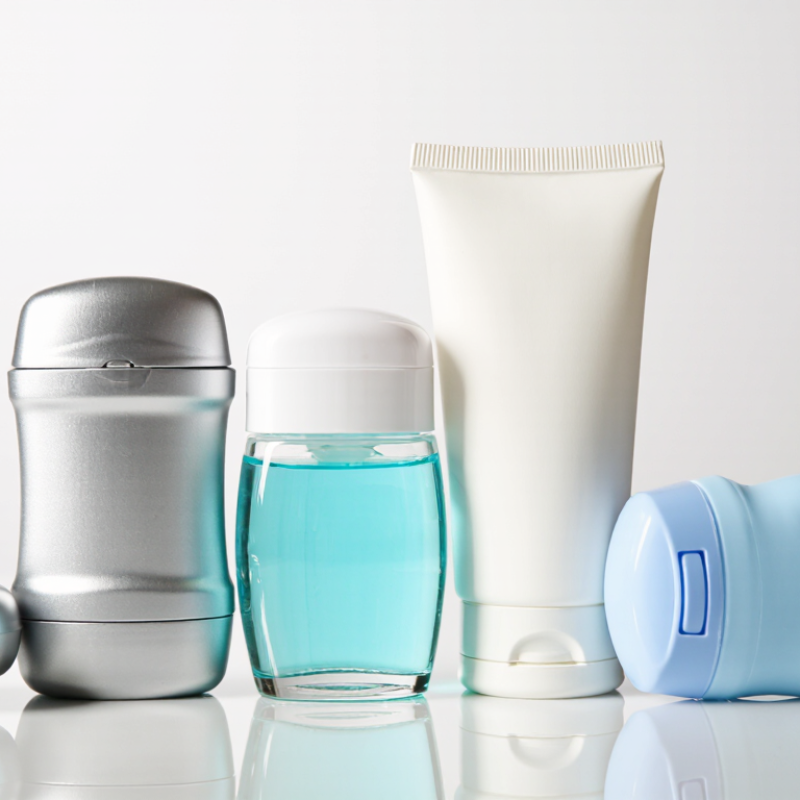
What Is a Deodorant Container and Which Type Is Best?

What Is a Deodorant Container?

A deodorant container is the package that holds, protects, and dispenses a deodorant formula. It includes the main body, closure, applicator, and sometimes an internal mechanism. The container may be a pressurized can, solid stick case, roll-on bottle, squeeze tube, or pump bottle. Each design supports a different texture and user experience. A liquid needs controlled flow. A solid stick needs a stable push-up system. Simple in appearance, these packages involve careful engineering.

The container must prevent leakage, contamination, and unwanted chemical reactions. Material compatibility matters. Plastic, aluminum, glass, and paper-based components can behave differently with fragrance oils and active ingredients. The U.S. Environmental Protection Agency reports that containers and packaging represented about 28% of municipal solid waste in its latest national dataset. That figure makes packaging design a practical environmental issue, not only a cosmetic choice. Smithers’ 2024 sustainable packaging forecast also indicates strong growth in lower-impact packaging solutions through 2028.

Which type is best? It depends on the formula, transport conditions, and disposal systems available. Aluminum offers strength and light weight. Plastic can provide reliable shaping and controlled dispensing. Paper-based packs may reduce plastic use, but moisture resistance remains a weakness. Refillable systems sound promising. Their real benefit depends on repeated use and convenient refilling. I would not judge a container by appearance alone. A recyclable material can still fail when several parts are permanently joined. Better testing should measure leakage, user handling, recyclability, and performance after storage.

What Is a Deodorant Container and Which Type Is Best?

Deodorant containers are packaging formats designed to store and dispense deodorant safely. The best option depends on the formula, application method, portability, and packaging preferences.

This chart compares representative common retail pack sizes. Stick, roll-on, and cream containers are typically compact and directly applied, while aerosol containers generally hold a larger volume. Refillable containers can help reduce the need for repeated packaging purchases.

How Deodorant Containers Are Designed and Used

A deodorant container is the package that stores and delivers a deodorant formula. It protects the product from dirt, moisture, and unnecessary air exposure. Most containers include a body, closure, and application system. Twist-up sticks raise a solid bar through a small platform. Roll-on containers use a smooth ball to spread liquid across the skin. Spray containers release a fine mist through a pump or valve. Each design affects control, drying time, and product waste.

Container design begins with practical use. A stable base should not tip easily on a bathroom shelf. A ridged cap can improve grip when hands are wet. The opening must protect the formula without trapping too much residue. Materials may include plastic, metal, glass, or layered components. Their environmental impact depends on local recycling systems and the ability to separate parts. That detail is often overlooked. A lighter container may reduce transport weight, but it can feel less durable.

The best type depends on personal routine and skin needs. A stick is convenient for quick, precise application and usually creates little mess. A roll-on feels lighter, but it may need drying time before dressing. A spray covers quickly, although ventilation and careful distance matter. In my experience, a secure twist mechanism prevents frustrating waste during travel. Still, no container is perfect. Some caps loosen, and some platforms leave product behind. Testing the closure, application area, and remaining residue gives a more honest view of performance.

What Is a Deodorant Container and Which Type Is Best? - How Deodorant Containers Are Designed and Used

Container Type Common Materials How It Is Designed and Used Typical Capacity Main Advantages Main Limitations Packaging and Recycling Considerations Best Suited For
Stick Container Plastic case, molded deodorant mass, and a rotating screw mechanism A twist wheel moves the solid product upward through an open top. The product is applied directly to dry underarm skin. Approximately 40–100 g Easy to carry, low risk of leakage, quick application, and precise product control Usually contains several components; residual product can remain inside the case; some formulas may soften in high heat Empty the product and separate removable parts where local recycling systems allow. Mixed-material components may reduce recyclability. Daily use and travel
Roll-On Bottle Plastic bottle, ball applicator, cap, and liquid or gel formula A rolling ball transfers the formula to the skin while rotating. The bottle is stored upright to reduce leakage. Approximately 50–100 mL Efficient liquid delivery, compact shape, and generally low packaging weight Requires drying time; the ball may become blocked; leakage is possible if the cap or seal is damaged Rinse only when required by local guidance. The ball, cap, and bottle may need to be separated before recycling. Users who prefer a wet or gel application
Aerosol Spray Can Pressurized aluminum or steel can, valve, actuator, cap, and propellant Pressing the actuator releases a fine spray. The can is held upright and used in a well-ventilated area. Approximately 75–250 mL Fast drying, broad coverage, and touch-free application Pressurized packaging requires careful handling; spray may be inhaled; flammable formulas must be kept away from heat and flames Do not puncture, crush, or burn. Recycle only when completely empty and accepted by the local recycling program. Fast application and shared household use
Pump Spray Bottle Plastic bottle, pump, dip tube, cap, and liquid formula A mechanical pump dispenses the formula without a pressurized propellant. The user typically sprays it onto the underarm area. Approximately 50–150 mL No pressurized propellant, controllable dispensing, and convenient room-temperature storage May require several pumps; the nozzle can clog; liquid residue may remain in the dip tube Plastic type and local collection rules determine recyclability. Empty and separate removable components when practical. Users seeking a non-aerosol spray format
Cream or Lotion Tube Flexible plastic laminate or molded plastic tube with a screw cap or flip-top closure The tube is squeezed to dispense a small amount, which is then spread by hand or with an applicator. Approximately 30–100 mL Good dose flexibility, efficient use of product, and suitability for rich or moisturizing formulas Requires hand application; the opening can become messy; laminated tubes may be difficult to recycle Keep the cap attached if required by local guidance. Multi-layer tubes are often not accepted in standard recycling streams. Targeted application and sensitive-skin formulas
Glass Jar Glass container with a metal or plastic lid The user removes a small amount with clean fingers or a dedicated spatula and applies it directly to the skin. Approximately 30–100 mL Reusable appearance, good barrier properties, and suitability for thick cream formulas Heavier and breakable; hand dipping may introduce moisture or microorganisms if hygiene is poor Glass and lid should be separated if required. Rinse the jar according to local recycling instructions. Home use and refill-oriented packaging systems
Paperboard Push-Up Tube Compressed paperboard, inner barrier layer, and a bottom push-up section The product is pushed upward from the base and applied directly to the skin. It is commonly used for solid or balm formulas. Approximately 50–100 g Reduced plastic content, lightweight construction, and simple mechanical design Paper can soften when exposed to water; the product may be harder to advance smoothly; moisture protection is lower than with plastic Remove heavy product residue. Recycling depends on whether the paperboard is clean and whether the barrier layer is accepted locally. Low-plastic packaging preferences and dry storage
Refillable Container Durable plastic, aluminum, stainless steel, or glass with replaceable refills A reusable outer case holds a replaceable deodorant cartridge, insert, or formula refill. The case is retained between uses. Case size varies; refills commonly contain 30–100 g or mL Can reduce repeated outer-packaging waste, supports long-term use, and may improve product customization Higher initial complexity; refill compatibility is essential; cleaning and correct assembly may be required Designed for reuse rather than immediate recycling. Recycle worn parts only through suitable local collection systems. Regular users focused on waste reduction

Note: Capacity, material combinations, and recycling acceptance vary by product design and local waste-management regulations. Always follow the container label and local disposal guidance.

What Materials Are Used in Deodorant Containers?

A deodorant container is the package that holds, protects, and dispenses a deodorant formula. Common formats include sticks, roll-ons, sprays, and cream jars. The material must resist moisture, fragrance oils, alcohol, and repeated handling. Small material choices matter.

Most stick containers use polypropylene or polyethylene because these plastics are light, tough, and easy to mold. Roll-on bottles often use PET or HDPE, with a plastic or metal ball. Aluminum is common for aerosol bodies because it is strong and provides an effective barrier. Paperboard push-up tubes can reduce plastic use, but moisture may soften them during bathroom storage. Glass offers a premium feel, yet it is heavier and easier to break. The OECD’s Global Plastics Outlook reports that only 9% of plastic waste was recycled globally. That figure makes “recyclable” packaging worth questioning. Collection systems still decide the real outcome. Smithers’ packaging research also identifies lightweighting and mono-material design as major industry priorities. However, lighter is not always better if the container becomes fragile.

Tips: Check the resin code, closure, and local recycling rules. A refillable container may reduce waste, but only when users refill it repeatedly. Look for clear material labeling and a tight-fitting cap. Test the package against heat and leaks before large-scale production. I have found that attractive paper packaging can disappoint in humid bathrooms. The honest answer is imperfect: no material wins every category. Performance, recovery access, product chemistry, and user habits must be judged together.

Which Types of Deodorant Containers Are Available?

Deodorant containers come in several practical forms: plastic sticks, roll-ons, aerosol cans, creams, jars, and refillable cases. Each format changes product control, drying time, and disposal needs. Stick containers usually use rigid polypropylene or high-density polyethylene. They are clean to carry, but the internal twist mechanism can complicate recycling. Roll-ons offer precise application and often use glass or plastic bottles with a metal or plastic ball. They feel controlled, although leakage remains a common complaint.

Aerosol containers normally combine coated steel or aluminum with a valve and actuator. They spread product evenly and dry quickly, but their pressurized design requires careful collection rules. The U.S. Environmental Protection Agency reports that steel and aluminum packaging can be recycled when local facilities accept them. However, acceptance is inconsistent. Creams often use small jars or tubes, giving users more control over sensitive areas. Tubes waste less space, yet leftover cream may remain inside.

Refillable and paperboard push-up containers are gaining attention because packaging reduction is becoming measurable. The OECD’s Global Plastics Outlook reports that only 9% of global plastic waste was recycled in 2019. That figure makes “recyclable” claims worth questioning. A container may be technically recyclable but still rejected locally. Grand View Research’s 2024 deodorants market analysis identifies sprays, sticks, and roll-ons as major format segments. In practical use, sticks suit travel, roll-ons suit controlled application, and aerosols suit fast coverage. No option is perfect. The best choice depends on skin preference, transport conditions, and real local recycling access.

How to Choose the Best Deodorant Container

Choosing the best deodorant container starts with the formula, not the appearance. A solid stick needs a firm, smooth barrel that turns without slipping. A roll-on requires a leak-resistant bottle and a ball that spreads evenly. Spray formulas need a secure actuator and controlled pressure. The wrong container can clog, leak, or make application uncomfortable.

Material matters too. Plastic is lightweight and practical for daily travel. Glass feels substantial, but it can break in a bathroom cabinet. Refillable designs may reduce waste, yet only when replacement parts are easy to find. Check the cap, seams, and base. They should feel stable and close tightly. Small details matter.

I have found that usability often beats visual appeal. A container should open with one hand and stand without tipping. It should also protect the formula from heat, moisture, and contamination. Packaging professionals usually test compatibility, durability, and dispensing performance before approval. Still, testing at home can reveal problems. A cap may loosen in a gym bag. A twist mechanism may jam after several uses. I once chose a beautiful container that felt awkward and wasted product. It looked better than it worked. Consider your routine, storage space, and disposal options. The best deodorant container is the one you can use cleanly, reliably, and comfortably every day.

t