How to Effectively Order Labels for Your Business Needs?
In today’s fast-paced business environment, the need to order labels efficiently cannot be overstated. Labels serve as vital components for branding, product identification, and compliance. Without proper labels, businesses may struggle to communicate their messages clearly. Choosing the right labels can make a significant difference in how customers perceive your brand.
When you look to order labels, factors such as material, size, and printing technology play crucial roles. It's essential to understand your specific requirements before making decisions. There may be situations where a label that looks great doesn't perform well in real-world conditions. Consider the environment your labels will face and how durable they need to be.
However, navigating the world of label ordering isn’t always straightforward. Many businesses overlook the importance of professional guidance when selecting labels. With various options available, it can be overwhelming. Uninformed choices may lead to wasted time and resources. Engaging industry experts can help streamline the process.

Understanding Your Label Requirements Based on Industry Standards
Understanding label requirements is crucial for any business. Different industries have distinct regulations and standards. For instance, the food and beverage sector often needs labels that comply with FDA guidelines. A report from the Label Industry Global Organization indicates that 75% of companies struggle with compliance issues due to inadequate labeling. It is essential to collaborate with professionals who understand these nuances.
In the pharmaceutical sector, labels must include crucial information such as dosage, usage, and contraindications. According to the International Society for Pharmaceutical Engineering, errors in labeling can lead to serious safety risks, impacting patient health. Businesses often overlook these details, which can result in costly recalls or fines. This reflects a gap in understanding the importance of precise labeling.
Additionally, sustainability is becoming increasingly important. Many organizations now prioritize eco-friendly materials. The 2023 Sustainable Packaging report shows that 67% of consumers prefer products with sustainable labels. Companies should consider these trends when ordering labels. They should assess their industry standards and consumer expectations to create labels that not only comply but also resonate with their target audience.
How to Effectively Order Labels for Your Business Needs?
| Industry |
Label Type |
Size (inches) |
Material |
Common Uses |
| Food & Beverage |
Product Label |
3"x 4" |
Glossy Paper |
Ingredient Information |
| Retail |
Price Tag |
2"x 1" |
Matte Paper |
Pricing Information |
| Pharmaceutical |
Prescription Label |
4"x 2" |
Synthetic Water-Resistant |
Dispensing Information |
| Logistics |
Shipping Label |
6"x 4" |
Direct Thermal |
Address and Tracking |
| Cosmetics |
Cosmetic Label |
2"x 4" |
Vinyl |
Branding and Ingredients |
Evaluating Label Materials and Their Suitability for Different Applications
When selecting label materials, consider the specific application for your products. Different materials offer varied benefits. For instance, paper labels suit indoor use but may not withstand moisture or extreme temperatures. In contrast, vinyl labels provide durability, making them ideal for outdoor conditions. According to industry reports, over 70% of companies face challenges in choosing the right label material, leading to increased costs and waste.
Understanding the environmental impacts of materials is also crucial. Many businesses now prioritize eco-friendly options. A recent survey indicated that nearly 60% of consumers prefer products with sustainable labeling. This trend pushes brands to rethink their material choices. Eco-friendly labels can be made from recycled content or biodegradable materials, which can enhance your brand's image.
When ordering labels, ensure they are compatible with your printing methods. Not all printers handle every type of media. Some printers struggle with thicker materials or specialty finishes. This mismatch can lead to production delays and increased costs. Test various materials in small batches before making large orders. Keep an open mind about adjusting your label choices based on performance. It can prevent future headaches and enhance product appeal.
Calculating Accurate Order Quantities to Minimize Waste and Costs
When ordering labels for your business, accurate quantity calculation is essential. This approach helps minimize waste and keep costs manageable. Start by assessing your current needs. Look at past orders and sales data to avoid overcommitting to an order size that could result in excess labels. It’s wise to consider seasonal fluctuations that may impact sales too.
Remember that labels can expire or become irrelevant quickly, especially if your product line changes. Keeping track of shelf life and potential design updates can prevent overproduction. If you find yourself unsure, consider placing smaller, more frequent orders. This way, you can adjust based on sales trends without the burden of unused labels. It’s important to strike a balance between efficiency and practicality.
Also, engaging with suppliers can provide insights. They often have experience working with various businesses. They can recommend order sizes based on your specific needs. However, be prepared for the fact that their suggestions might not always agree with your budget expectations. Reflecting on all these aspects will enhance your ordering strategy, ultimately safeguarding against waste and excess costs.
Choosing the Right Printing Technique: Digital vs. Flexographic Options
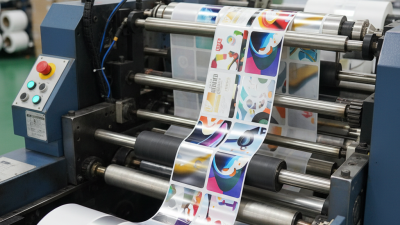
When deciding between digital and flexographic printing for labels, consider your specific business needs. Digital printing offers flexibility. It allows for quick turnarounds and customization. This method is especially beneficial for short runs. It eliminates the need for printing plates, saving both time and cost. If you require frequent design changes, digital is the way to go.
On the other hand, flexographic printing shines in high-volume production. It's known for its speed and efficiency. This technique uses flexible plates to transfer ink, making it ideal for large batches. However, this option might carry higher initial setup costs. Balancing the benefits and limitations of each method is crucial. If your label needs change often, digital may seem right. But for consistent large orders, flexographic could be more effective. Reflect on your priorities to make the best choice.
Comparison of Printing Techniques: Digital vs. Flexographic
Assessing Supplier Credentials and Quality Assurance Practices in Label Production
When evaluating suppliers for label production, credentials matter significantly. Start by reviewing their experience in the industry. A supplier with a solid track record is more likely to meet your quality demands. Ask for case studies or examples of their previous work. This provides tangible evidence of their capabilities.
Next, look into their quality assurance practices. This involves checking certifications and compliance with industry standards. A reliable supplier should be transparent about their process. Frequent quality checks and testing protocols indicate a commitment to excellence. Additionally, don’t hesitate to request samples. This hands-on approach allows you to assess material quality directly.
Consider the supplier's communication and responsiveness. Effective communication is vital for a smooth collaboration. Delays or unclear communication can lead to costly mistakes. Reflect on how they handle your inquiries. Are they prompt and detailed in their responses? This can reveal their dedication to customer satisfaction. Ultimately, rigorous evaluation of potential suppliers helps ensure that your label production is of high quality and aligns with your business needs.