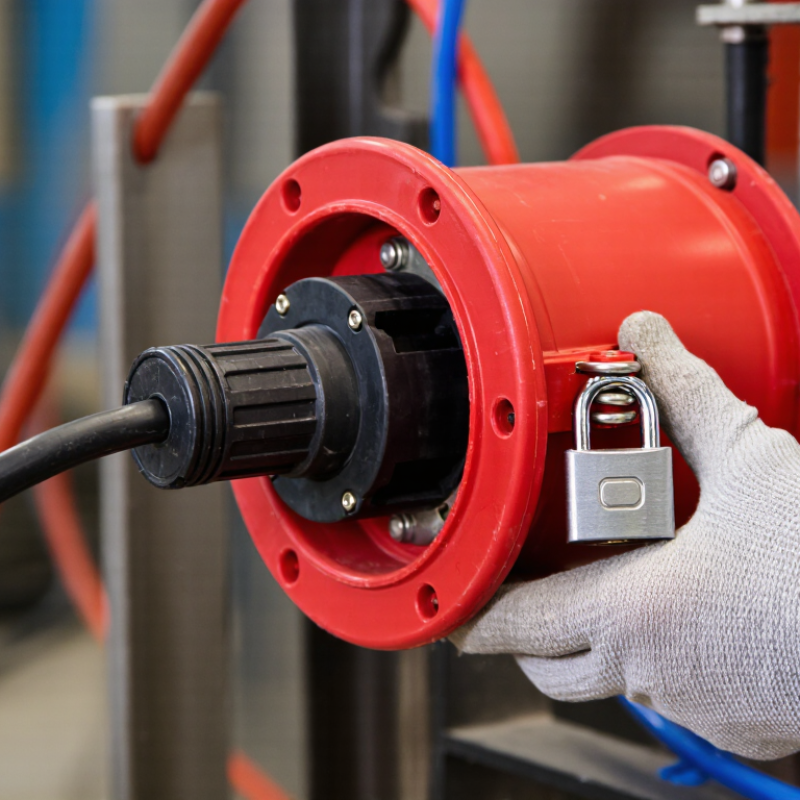
| What it is | A plug lockout is a device that encloses or secures an electrical plug so it cannot be inserted into an outlet while equipment is being serviced or maintained. | Choose a device designed for the plug’s shape and size, and follow its instructions. |
| How it works | The plug is disconnected from its receptacle and placed inside the lockout device. The device is closed and secured with a personal lock, preventing access to the plug. | A lockout device does not, by itself, prove that equipment is de-energized. Verify the equipment’s safe condition using the applicable procedure. |
| Before applying | Identify the equipment and its energy sources. Notify affected employees, shut the equipment down using its normal controls, and disconnect the plug. | Follow the site’s energy-control procedure and the equipment manufacturer’s instructions. Do not disconnect a plug under load unless the equipment is designed for it. |
| Step 1: Prepare | Confirm that the correct plug and energy source have been identified, and that the lockout device is suitable and undamaged. | Stop if the plug, cord, receptacle, or lockout device is damaged or the energy source is uncertain. |
| Step 2: Shut down and disconnect | Use the normal stopping procedure, then unplug the equipment. Hold the plug—not the cord—when removing it from the receptacle. | Keep clear of moving parts and other hazards during shutdown. Never pull the plug out by its cord. |
| Step 3: Secure the plug | Place the unplugged plug fully inside the compatible plug lockout. Close the device and attach the authorized worker’s personal lock and identification tag. | Check that the device is closed securely and the plug cannot be removed or reconnected while locked. |
| Step 4: Verify isolation | Use the equipment’s established verification procedure before beginning work. Where appropriate, attempt a normal start after ensuring it is safe to do so, then return controls to the off position. | Verification must be performed by a qualified person using the method required for the equipment and task. Do not rely only on a tag or indicator light. |
| During the work | Keep the lockout in place for the duration of the work. Each authorized worker should apply their own lock when required by the site’s group lockout procedure. | Do not bypass, borrow, or remove another person’s lock. Control other energy sources, such as stored electrical or mechanical energy, as required. |
| Step 5: Prepare for removal | Complete the work, reinstall guards and protective devices, account for tools and materials, and make sure employees are clear of the equipment. | Notify affected employees before restoring energy, in accordance with the applicable procedure. |
| Step 6: Remove the lockout | Each worker removes their own personal lock and tag. Open the device and remove the plug only after the area and equipment are ready for restoration. | Removal by someone other than the person who applied the lock should occur only under a documented procedure consistent with applicable requirements. |
| Step 7: Restore power | Reconnect the plug, restore energy using the prescribed startup procedure, and confirm the equipment operates as intended. | Keep people clear of hazards during restart and report any abnormal condition before returning equipment to service. |
| Important limitation | Some workplace rules allow an unplugged cord-and-plug-connected machine to be serviced without a separate lockout device when the plug remains under the exclusive control of the employee performing the work. | Requirements depend on the applicable regulations, workplace energy-control program, and task. Follow the stricter applicable procedure; do not assume this exception applies. |