Why Are Pressure Sensitive Labels Essential in Modern Packaging Solutions?
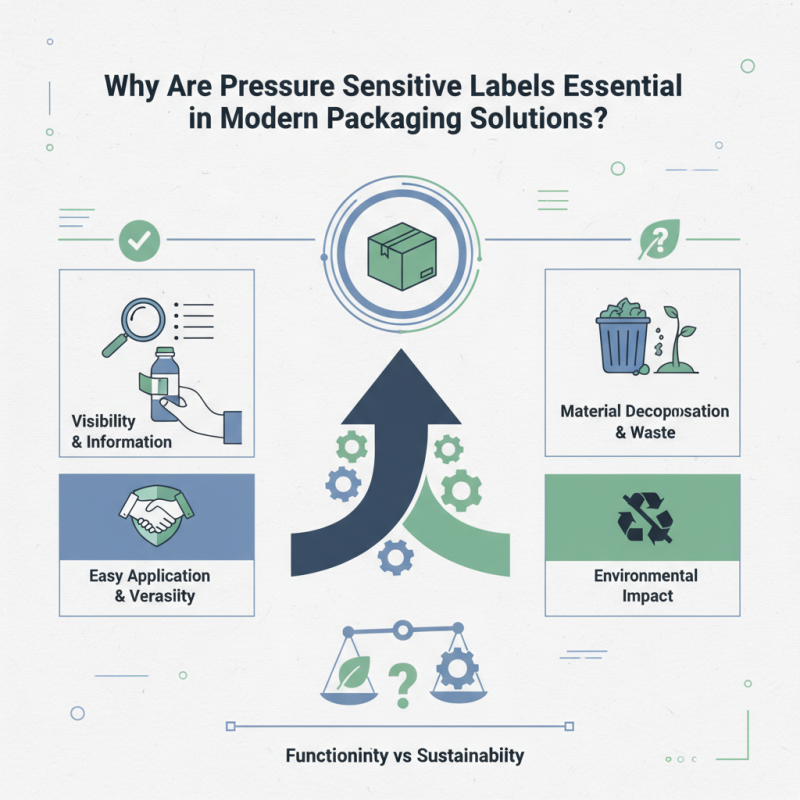
In today's fast-paced market, pressure sensitive labels have become an essential component of modern packaging solutions. As industry expert James R. Carter once stated, "The success of packaging often hinges on the visibility and functionality of labels." Labels are not just decorative; they convey vital information. They provide details about product ingredients, usage instructions, and more.
Consumers increasingly seek transparency in products. Pressure sensitive labels offer this transparency effectively. They stick easily to various surfaces, ensuring that information is readily accessible. This convenience enhances consumer trust. However, the industry faces challenges in sustainability. Many pressure sensitive labels are made from materials that do not easily decompose. This poses a dilemma for eco-conscious brands.
Brands must balance functionality and environmental impact. As consumers push for greener solutions, the pressure on manufacturers increases. In exploring pressure sensitive labels, it's crucial to evaluate their benefits and drawbacks. Are they meeting the needs of today’s consumers? Or do they contribute to a growing waste problem? Understanding these aspects is vital for the future of packaging.
The Rise of Pressure Sensitive Labels in the Global Packaging Market
The global packaging market is witnessing a significant shift. Pressure sensitive labels are rising in popularity. These labels offer convenience and versatility. They stick to various surfaces easily, making them ideal for diverse products. From food products to cosmetics, they are everywhere.
One of the standout features of pressure sensitive labels is their adaptability. They can be designed with vibrant colors and creative graphics. This helps brands stand out on crowded shelves. However, not all designs are effective. Some labels may blend in rather than attract attention. This is a crucial area for improvement.
Additionally, pressure sensitive labels can enhance product information. They can include barcodes, QR codes, and instructions. However, some consumers find this information confusing. They may not always know how to use them. This reflects a need for clearer communication. Understanding what works and what doesn't is essential in this evolving market.
Key Benefits of Pressure Sensitive Labels for Brand Recognition
Pressure sensitive labels play a crucial role in modern packaging. They offer brands a unique opportunity to enhance their visibility. Unlike traditional labels, these are easy to apply, even on irregular surfaces. This flexibility allows for creative designs that can catch a consumer’s eye quickly.
These labels can transform how a product is perceived. A vibrant, well-designed label helps establish brand identity. Consumers often choose products based on packaging. If a label is dull or poorly placed, it can hurt a brand’s reputation. Brands need to ensure their labels stand out. This is not just about aesthetics; it’s about creating a memorable experience.
Additionally, pressure sensitive labels are durable. They resist moisture and wear, maintaining their quality over time. Yet, not all brands utilize them effectively. Some labels are cluttered, making them hard to read. Others lack essential information, leaving consumers confused. Companies should reflect on their label designs. Each label is an opportunity to communicate and connect with customers.
Industry Growth Trends: Pressure Sensitive Labels Market Projections
The pressure sensitive labels market is on the rise, driven by growing packaging needs. Industries like food and pharmaceuticals see rapid advancement, making these labels essential. These labels offer flexibility and convenience. They adhere easily, allowing faster production. This adaptability is crucial in today’s fast-paced market.
Tips: When choosing pressure sensitive labels, consider the surface they will be applied to. Different materials require specific adhesives for optimal performance. Think about your brand’s messaging. Clear, bold designs stand out and communicate effectively.
Sustainability is becoming increasingly important. Many companies are looking for eco-friendly label options. These can enhance brand image while meeting regulatory standards. However, some companies may struggle with finding reliable suppliers. It’s worth researching sustainable materials that also meet performance needs. This balance is essential for long-term success.
Applications of Pressure Sensitive Labels Across Different Sectors
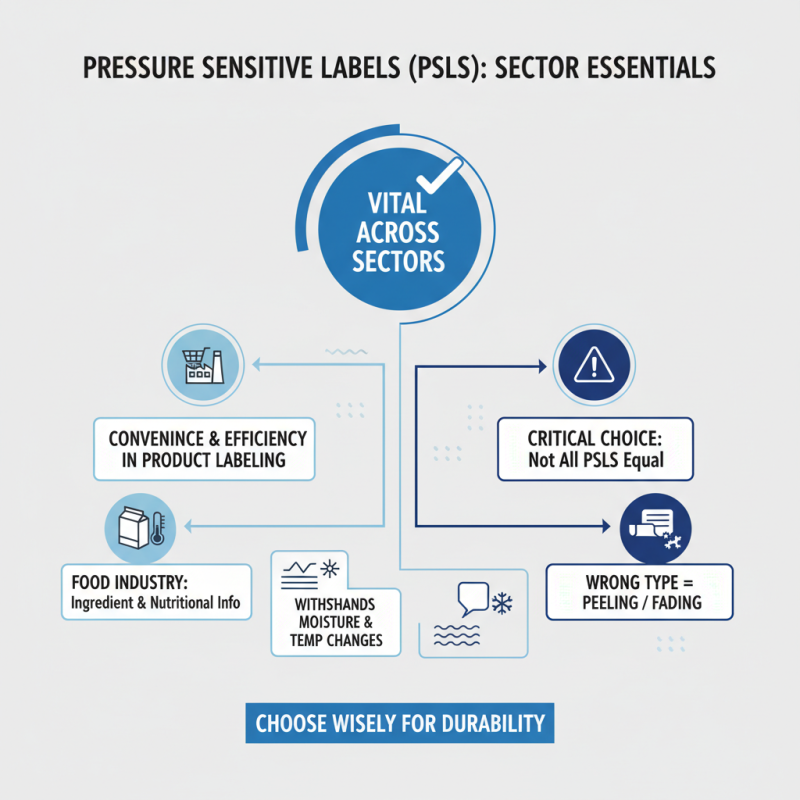
Pressure sensitive labels (PSLs) are vital across various sectors. They offer convenience and efficiency in product labeling. In the food industry, PSLs ensure proper ingredient labeling and nutritional information. They withstand moisture and temperature changes, crucial for food preservation. However, not all PSLs are created equal. Choosing the wrong type can lead to peeling or fading over time.
In the pharmaceutical sector, PSLs are equally important. They provide clear dosage instructions and essential warnings. Accurate labeling can prevent serious medication errors. Yet, some labels may not adhere well to unusual packaging shapes. This can create challenges for manufacturers and result in compliance issues.
Retail businesses also benefit from PSLs. They simplify inventory management by providing easy scanning. Eye-catching designs attract consumers and enhance brand visibility. However, poorly designed labels might confuse customers instead of informing them. This can complicate purchasing decisions and reduce overall sales. The importance of thoughtful label design cannot be overstated.
The Role of Sustainability in Modern Pressure Sensitive Label Design
Pressure sensitive labels are becoming a vital part of modern packaging. Sustainability is at the forefront of this evolution. Brands are now looking to integrate eco-friendly materials into their packaging solutions. A report from Smithers Pira predicts that the global market for sustainable packaging will reach $500 billion by 2027. This shift highlights the demand for pressure sensitive labels made from recyclable and compostable materials.
Designing sustainable labels involves using eco-conscious inks and adhesives. Many labels can now be printed with water-based inks. These inks are less harmful to the environment compared to traditional solvents. An industry study indicated that 55% of consumers prefer sustainable packaging. This preference drives companies to rethink their labeling choices.
**Tips:** Choose labels with simple, minimalistic designs. They often use fewer resources. Test your label materials for durability. Sometimes, the cheapest option may not withstand handling. Opt for certified sustainable materials that align with your brand values. This can enhance consumer trust and loyalty.
Usage of Pressure Sensitive Labels in Various Industries (2023)