Essential Tips for Choosing Nylon Insulated Terminals?
When it comes to electrical connections, choosing the right components is crucial. One such component is the Nylon Insulated Terminal. These terminals provide excellent insulation and protection for electrical connections. They are commonly used in automotive and household wiring.
Many people overlook the importance of materials. Not all nylon terminals are created equal. Some may lack durability or resistance to heat. This can lead to problems down the line. It's essential to consider factors like temperature rating and environmental conditions. A poor choice can result in failures that might be costly or dangerous.
Visualizing your project is key. Picture the environment where you will use these terminals. Will it be exposed to moisture or extreme temperatures? This consideration can help you make a better choice. Ultimately, taking the time to choose the right Nylon Insulated Terminal can make a significant difference in the long run.
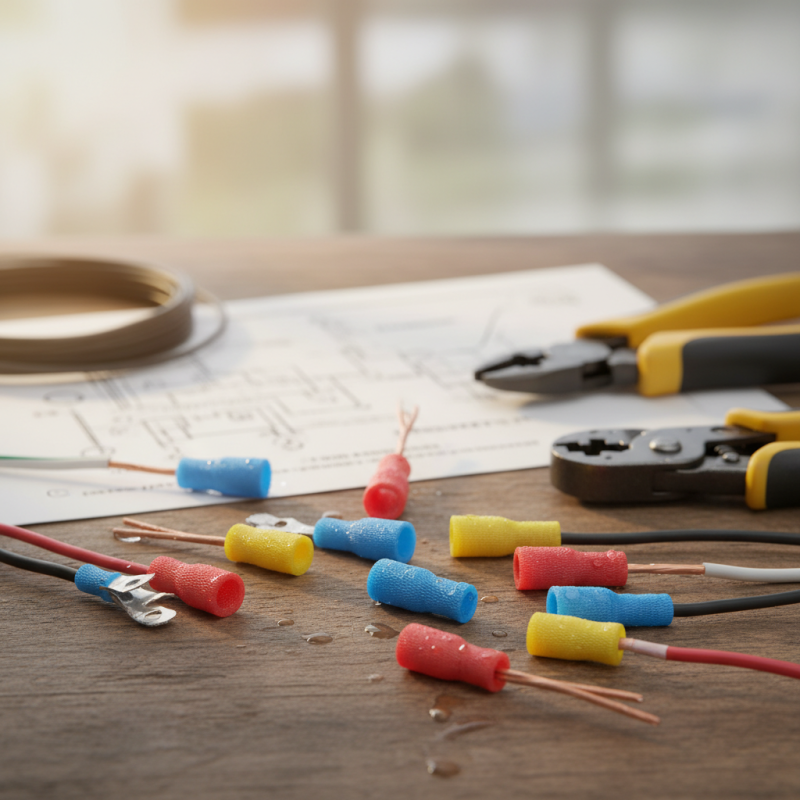
Understanding Nylon Insulated Terminals and Their Applications
Nylon insulated terminals are widely used in various electrical applications. They provide excellent protection against moisture and corrosion. This durability makes them ideal for outdoor and industrial uses. These terminals can withstand high temperatures, which is crucial in many installations. Their design ensures a secure connection that can handle vibrations.
When choosing nylon insulated terminals, consider the size and gauge of your wire. It’s vital to match these specifications to ensure effective conductivity. A connection that’s too loose may lead to power losses. Similarly, an overly tight connection can damage the wire. Additionally, look at the terminal’s rating. Ensure it meets the demands of your application.
Always consider the environment where the terminals will be used. Harsh conditions may require more robust insulation. Be mindful of installation. Improper crimping could compromise the terminal’s effectiveness. It’s good to practice and check your work. Mistakes can happen. Reflecting on your choices can lead to better results in future projects.
Factors to Consider When Choosing Nylon Insulated Terminals
When choosing nylon insulated terminals, several factors demand your attention. The environment in which you plan to use these terminals is crucial. For outdoor applications, select terminals that can withstand moisture and UV exposure. Corrosion-resistant materials are also a must for marine applications. If terminals are exposed to heat, higher temperature ratings will ensure reliable performance.
Another important factor is the size and gauge of the terminal. Ensure that the terminal fits your wire size perfectly. A mismatched size can lead to poor electrical connections. Consider the current rating as well; using a terminal rated for lower current can result in overheating and potential failure. Do not underestimate the quality of the insulation. High-quality nylon insulation provides better protection against abrasion and wear, ultimately extending the terminal’s lifespan.
Finally, examine the installation process. Some terminals require crimping tools for secure connections, while others are designed for easy plug-in. Make sure you have the right tools at hand. Ignoring installation details may result in loose connections, leading to frustrating failures in your projects. Each factor plays a critical role in the overall effectiveness of nylon insulated terminals. Reflecting on these aspects can save you time and resources in the long run.
Essential Tips for Choosing Nylon Insulated Terminals
| Factor | Description | Importance |
| Material Quality | Choose high-quality nylon that withstands wear and tear. | High |
| Temperature Rating | Check the temperature range for optimal performance. | Medium |
| Wire Size Compatibility | Ensure terminals match the wire gauge being used. | High |
| Crimping Reliability | Examine how well the terminal grips the wire. | High |
| Corrosion Resistance | Look for terminals that offer protection against environmental hazards. | Medium |
| UL Certification | Select terminals that are UL certified for safety. | High |
Benefits of Using Nylon Insulated Terminals Over Other Types
When it comes to electrical connections, the choice of terminals is crucial. Nylon insulated terminals offer distinct advantages over other types. These terminals are known for their durability and resistance to harsh environmental conditions. They can withstand moisture, corrosion, and temperature fluctuations. This makes them ideal for outdoor and industrial applications.
Moreover, nylon insulation provides superior electrical insulation. It helps prevent accidental short circuits. This can be critical in automotive or marine settings where safety is paramount. The flexibility of nylon materials also allows for easier installation and use. Unlike other insulations, nylon doesn't crack easily over time, maintaining its effectiveness.
However, not all nylon insulated terminals are created equal. Choosing the right size and type can be challenging. It’s essential to ensure that they match your needs. Sometimes, users overlook these details, leading to frustrations down the line. It's worth double-checking compatibility and quality before making a selection. Every small detail matters in creating reliable connections.
Tips for Proper Installation of Nylon Insulated Terminals
When installing nylon insulated terminals, proper technique is crucial for performance and safety. Begin by ensuring your wires are stripped correctly. Insulation should be removed carefully, without damaging the conductor. According to a report by the Electrical Safety Foundation, improper stripping leads to 25% of electrical faults.
Next, crimping the terminals is essential. Use the right crimping tool. A poorly crimped connection can cause overheating. More than 30% of electrical failures stem from insufficient connections. Ensure the terminal slides onto the wire completely. It should lock securely in place.
Take note of your workspace. A cluttered area can lead to mistakes. Distractions increase the likelihood of improper installation. Practice makes perfect, so consider redoing connections that feel off. Quality control in installation can save future headaches. Testing each connection before final use is wise, despite needing extra time.
Maintenance and Care for Long-lasting Nylon Insulated Terminals
Nylon insulated terminals are crucial in electrical applications. To ensure their longevity, proper maintenance is vital. Regular inspections can help avoid damage. Visual checks for wear or corrosion are essential. Data from industry reports show that improper care can reduce terminal lifespan by 50%.
Cleaning these terminals is another key aspect. Use a soft brush and non-abrasive cleaner. Dirt and debris can lead to poor conductivity. Depending on the environment, terminals may need cleaning every six months. A study indicated that terminals exposed to high humidity perform 30% worse if not maintained.
Additionally, using proper installation techniques cannot be overlooked. Over-tightening can damage the nylon insulation. Reports suggest that nearly 20% of terminal failures are due to improper installation. Always follow guidelines to achieve the best results. Reflections on these aspects may reveal gaps in common practices. Pay attention to details, and your terminals will perform better for longer.