How to Implement a Forklift Collision Detection System?
In today's fast-paced industrial environments, safety is paramount. A Forklift Collision Detection System can significantly enhance workplace safety. These systems help prevent accidents that can cause injuries and damage. However, implementing such technology requires careful planning.
Many organizations struggle with integrating a Forklift Collision Detection System effectively. They might overlook aspects like employee training or system calibration. Without proper training, workers may not fully utilize the system. This can lead to misunderstandings and reduced efficiency.
Choosing the right technology is also crucial. Some systems are equipped with advanced sensors, while others rely on basic features. Each option has its pros and cons. It’s essential to assess the specific needs of your environment. Ultimately, successful implementation is not just about installing technology; it's about fostering a culture of safety and awareness.
Understanding Forklift Collision Detection Systems
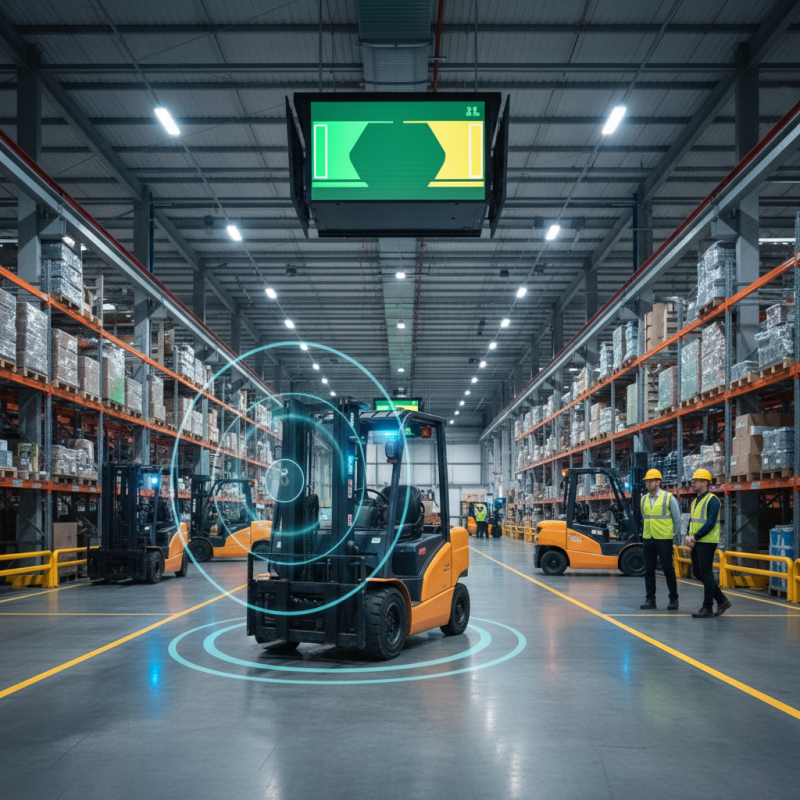
Forklift collision detection systems are vital in modern warehouses. These systems significantly reduce accidents. According to industry data, 85% of warehouse injuries involve forklifts. They can lead to severe injuries and costly downtime. Implementing these systems is not just practical; it's a necessity for safety.
Understanding the mechanics behind these systems is crucial. Many solutions include sensors and cameras. These devices monitor the surroundings, ensuring safe operation. Some systems use radar technology to detect nearby objects. A report noted that companies using collision detection systems reduced accidents by up to 30%. However, not all systems are fail-proof. Environmental factors can affect their reliability. Dust, poor lighting, and even weather conditions can create challenges.
Effective implementation requires ongoing training. Employees must understand how to leverage these technologies. Regular maintenance of the systems is also essential. Neglecting updates can lead to failures. Therefore, while the technology shows great promise, it is not a silver bullet. Companies should continuously assess and refine their systems to maximize safety.
Key Technologies Used in Collision Detection
Implementing a forklift collision detection system requires several key technologies. Sensors play a vital role in tracking the environment around forklifts. Lidar units can map the surroundings in real time. They provide precise distance measurements to detect potential obstacles. Cameras can be paired with artificial intelligence algorithms for effective object recognition. This combination offers a comprehensive view of the area.
Another important element is the software that processes sensor data. It needs to identify paths and potential hazards. Algorithms must analyze information rapidly to ensure quick responses. Moreover, integrating GPS technology can improve spatial awareness. Forklifts can better understand their position within the warehouse.
However, technical challenges persist in achieving perfect accuracy. False positives can lead to unnecessary stops. Obstacles may be missed in cluttered spaces. Regular calibration of sensors is essential to maintain performance. Unexpected changes in the environment can also disrupt system reliability. Continue to assess and adapt the technologies in use for optimal results.
Steps for Assessing Workplace Safety Needs
Assessing workplace safety needs is crucial when implementing a forklift collision detection system. Start by observing the current workflow. Pay attention to high-traffic areas. Note where employees and forklifts intersect. Identify possible hazards like blind spots and tight corners. Gather feedback from workers using the forklifts daily. Their insights can reveal overlooked safety risks.
Conduct a risk assessment to determine specific needs. Classify areas based on risk levels. Higher risk zones may require advanced detection technologies. Simple solutions may suffice in lower risk areas. Also, consider the layout and design of your workspace. Sometimes, a small rearrangement can make a big difference.
Reflection is key. Review past incidents to learn from mistakes and improve safety measures.
Involve your team in this process. Foster open discussions about safety concerns. Create a culture of safety awareness. Regularly revisiting safety evaluations can reveal new challenges. This is not a one-time task. Safety needs evolve, and so should your approach to collision detection systems. Find out what works and what doesn’t through trial and error. Ultimately, a continuously updated strategy will yield better results.
Implementing the Detection System: A Step-by-Step Guide
Implementing a forklift collision detection system is critical for enhancing safety in warehouses. According to recent industry reports, 85% of forklift accidents occur due to operator error or poor visibility. A robust system can significantly reduce these incidents. To start, assess your specific environment. Identify high-traffic areas and potential blind spots. This analysis can highlight where most collisions may happen.
Next, choose the right technology. Systems can range from simple cameras to advanced LiDAR sensors. A combination of technologies often works best, offering various detection capabilities. Aim for a solution that integrates seamlessly with existing machinery. Test the setup with real-world scenarios. It is essential to tweak the system based on operator feedback or unexpected environmental factors. Regular calibration can help fine-tune sensor accuracy, which is often overlooked.
Finally, ongoing training for operators is crucial. Even with the best technology, human behavior is unpredictable. Studies show that regular safety training reduces accidents by up to 50%. Encourage a culture of safety and awareness around forklift operations. While technology is an asset, it cannot replace the need for vigilant, well-informed operators.
How to Implement a Forklift Collision Detection System?
| Step | Description | Tools Required | Estimated Time | Key Considerations |
| 1 | Assess the environment and identify potential collision risks. | Risk assessment tools, site maps | 1-2 weeks | Involve safety officers and forklift operators. |
| 2 | Choose appropriate collision detection technology (sensors, cameras, etc.). | Sensor/camera system, budget analysis | 2-4 weeks | Consider the coverage area and detection accuracy. |
| 3 | Install and configure the detection equipment. | Installation tools, software | 1 week | Follow manufacturer's guidelines for installation. |
| 4 | Test the system to ensure proper functionality. | Testing protocols, monitoring tools | 1 week | Engage operators in testing procedures. |
| 5 | Train operators on the new system. | Training materials, hands-on training | 1-2 weeks | Emphasize safety and emergency procedures. |
| 6 | Monitor system performance and make improvements. | Monitoring software, feedback tools | Ongoing | Review system data regularly. |
Testing and Maintaining the Collision Detection System
Testing a forklift collision detection system is critical for safety. Regular testing ensures the system functions properly and meets safety standards. It's crucial to conduct routine checks after installation. Consider performing monthly simulations to assess sensor responsiveness. Pay attention to areas where collisions often occur. Adjust settings based on these tests to improve accuracy.
A maintenance log can track tests and adjustments. Documentation helps identify patterns or regular issues. Regular updates on the software are vital. Outdated software might conflict with newer technology, leading to failures. Keeping a well-organized record enhances accountability and efficiency.
Tips: Ensure staff receives training on system operation. Confusion can lead to accidents. Also, encourage feedback from operators. They might notice something overlooked in blind spots. Finally, consider redesigning layouts if frequent issues arise. An optimized environment can minimize collision risks substantially.