What is labels printing and how can it benefit your business?
Labels printing is an essential tool for businesses seeking to enhance their branding and efficiency. As industry expert Mark Thompson states, “The right labels can elevate your product and streamline operations.” Labels printing provides a way to create visually appealing designs while delivering important information. This process can significantly affect a product's marketability and customer perception.
Moreover, implementing effective labels printing can foster better organization within a business. When products are clearly labeled, it reduces handling errors and improves inventory management. In sectors such as retail and manufacturing, accurate labels can be the difference between success and failure. Mislabeling can lead to confusion and costly mistakes that no business can afford.
Despite its advantages, many businesses still overlook the potential of labels printing. Some may see it as a simple necessity rather than a strategic asset. This perspective needs reevaluating. A lack of investment in labels printing may hinder growth and customer satisfaction. Rethinking this can open doors to new opportunities and improved operations.
What is Label Printing?
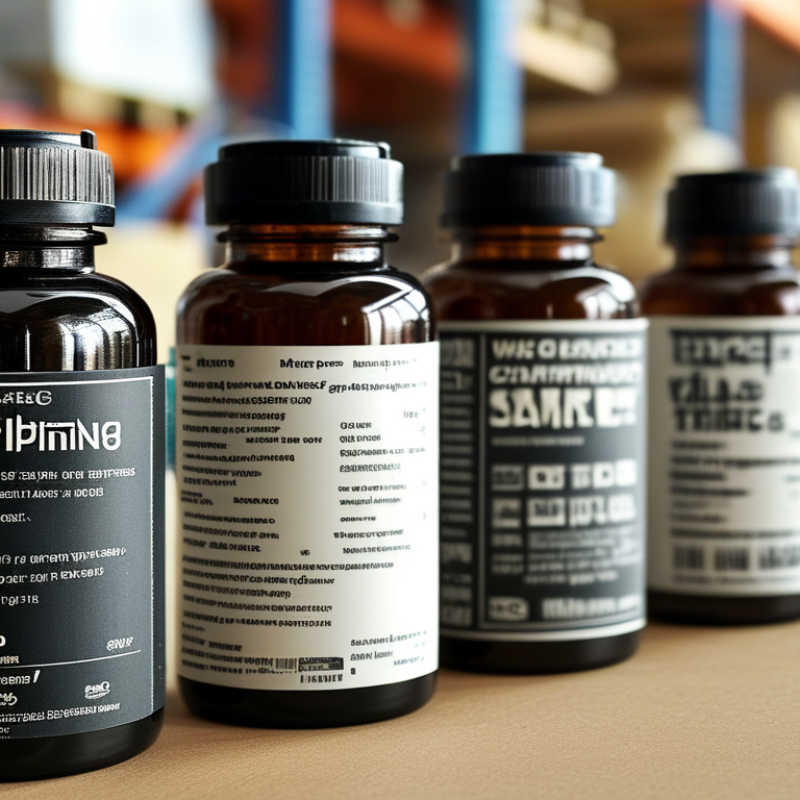
Label printing is a crucial aspect of many businesses today. It refers to the process of producing labels that can be applied to products, packaging, or promotional materials. This method can involve various technologies, such as digital printing or thermal transfer. Each method has its advantages, depending on the specific needs of a business. The choice of materials and printing techniques can also vary widely, impacting the final outcome.
Businesses often leverage label printing for several reasons. Custom labels can improve brand recognition. When customers see a unique label, they are more likely to remember and choose that product again. Colorful and informative labels can attract attention on crowded shelves. Additionally, labels can convey essential information, such as ingredients or usage instructions. This transparency builds trust with consumers, which can lead to repeat purchases. Yet, sometimes the label design might not reflect the brand's values accurately, leading to mixed messages.
Another benefit is efficiency. Well-designed labels can streamline operations, making it easier to identify products during handling or shipping. However, businesses must be cautious about costs. The price of label printing can vary, depending on quantity and complexity. Investing in high-quality labels is essential to avoid peeling or fading, which can diminish a brand's image. Thus, it's vital for businesses to continually assess their label printing strategies to stay competitive.
Impact of Label Printing on Business Efficiency
The Different Types of Label Printing Methods
Label printing encompasses various methods that cater to different business needs. Each method has unique characteristics and advantages. Digital printing is popular due to its quick turnaround and flexibility. It's ideal for small runs and allows for custom designs. Businesses can easily update labels without incurring high costs. However, it may not always meet large-scale production needs.
Flexographic printing is another prominent method. It uses flexible plates, which makes it suitable for high-volume runs. This technique is efficient for printing on various materials, such as plastic and paper. The vibrant colors and fine details produced can enhance product appeal. Yet, the initial setup costs can be significant, which may be a drawback for smaller companies.
Thermal transfer printing is known for its durability. It produces high-quality labels that withstand wear and tear. This method is often used in inventory management. A reflection point for businesses is to weigh the upfront costs against long-term benefits. Each printing method has its strengths and weaknesses. Understanding these can lead to better decisions for effective branding and improved customer satisfaction.
Key Benefits of Label Printing for Businesses
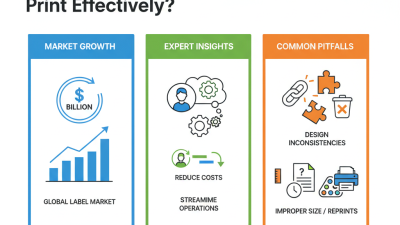
Label printing is a fundamental aspect of modern business operations. It aids in branding, compliance, and inventory management. According to a report by Smithers Pira, the global label market is projected to reach 50.4 billion dollars by 2024. This growth highlights the rising significance of labels in conveying information and enhancing product appeal.
One key benefit of label printing is improved brand recognition. Custom labels allow businesses to differentiate their products. A study from Nielsen reveals that visual elements on packaging influence buyer decisions for about 70% of consumers. Labels with clear, engaging designs grab attention. They can make a product stand out on crowded shelves.
Label printing also aids compliance with industry regulations. Accurate labeling ensures that products meet safety and quality standards. In industries like food and pharmaceuticals, proper labeling is crucial. The FDA mandates that specific information be displayed on packaging. Compliance not only builds trust with the customer but also mitigates the risk of legal issues. Inconsistent or inaccurate labels can harm a brand's reputation and lead to costly recalls.
How to Choose the Right Label Printing Solution
Choosing the right label printing solution can significantly impact your business's efficiency and branding. Begin by assessing your specific needs. Consider the types of products you sell. This helps you decide on the label size, material, and adhesive properties. A product that requires a durable label for outdoor use needs a different solution than something intended for indoor packaging.
Next, evaluate your print volume. Are you printing small batches or high quantities? For low-volume needs, a digital printer may be suitable. However, high-volume production often benefits from flexographic printing, which can save costs in the long run. Factor in printing speed too. A slower printer may not meet your business demands during busy seasons.
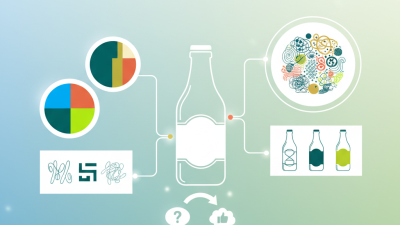
Lastly, do not overlook the design aspect. Labels are part of your brand’s identity. If the design is not appealing, it may fail to attract customers. Consider the quality of the output and the resolution of your prints. Poor quality can reflect negatively on your business. Piloting different options can be beneficial, and seeking feedback from customers can provide valuable insights. This iterative process may lead to better decisions in the long run.
Best Practices for Effective Label Design and Usage
When it comes to effective label design, several best practices can enhance your business operations. Clarity is key. Research shows that over 60% of consumers prefer labels that convey product information quickly and simply. Utilize spaces wisely. Overcrowded labels can confuse customers, leading to poor purchasing decisions. A clean design helps consumers quickly determine if your product meets their needs.
Color psychology plays a crucial role in label design. For example, a study highlighted that 85% of consumers base their purchase decisions on color alone. Align your color choices with your brand values. Additionally, consider font readability. Labels should be easy to read at a glance. A font size of at least 12 points is often recommended for accessibility.
Don't forget about sustainability. A growing number of consumers, approximately 70%, want eco-friendly packaging options. Using recyclable materials not only supports the environment but can also boost your brand image. Reflect on your current practices. Are your labels communicating the right message? Evaluate and adapt to stay ahead in a competitive market.