How to Make Labels at Home Using Easy Methods and Creative Ideas
Creating personalized labels at home can not only add a touch of creativity to your organization but also serve practical purposes in your daily life. Whether for home organization, gift-giving, or crafting projects, knowing how to make labels can transform ordinary items into neatly categorized essentials. This guide will explore easy methods and creative ideas to help you craft beautiful, functional labels using materials that you probably already have at home.
In the ever-evolving world of DIY projects, the art of label-making is often overlooked, yet it holds significant value. From simple handwritten styles to intricate designs using digital tools, the ability to make labels offers endless possibilities for customization. We will delve into various techniques, including the use of printable templates, handmade designs, and even upcycling materials. With just a little time and creativity, you can learn to make labels that are not only visually appealing but also perfectly suited to your unique needs. Get ready to unleash your inner artist and bring order to chaos with personalized labels crafted right in your own home.
Understanding the Importance of Labels in Organizing Your Space
Labels play a critical role in organizing our spaces, whether at home or in the office. By providing clear identification for various items, labels help to eliminate clutter and confusion. When everything has its designated place, it significantly reduces the time spent searching for specific items, ultimately enhancing productivity and creating a more pleasant environment. Moreover, labels can be particularly beneficial for families, as they ensure that everyone understands where things belong, making it easier for all members, from children to adults, to participate in maintaining an organized space.
In addition to functionality, labels allow for a touch of creativity and personalization in your organization efforts. Choosing colors, fonts, and designs that resonate with your personal style can make the organizing process enjoyable and visually appealing. Whether you are labeling jars in the kitchen, files in your home office, or bins in the playroom, customized labels contribute to a cohesive look that reflects your personality. This not only makes your space more inviting but also encourages consistency in keeping areas tidy. Ultimately, by recognizing the importance of labels, you can transform your surroundings into an organized and aesthetically pleasing haven.
Selecting the Right Materials and Tools for Home Labeling Projects
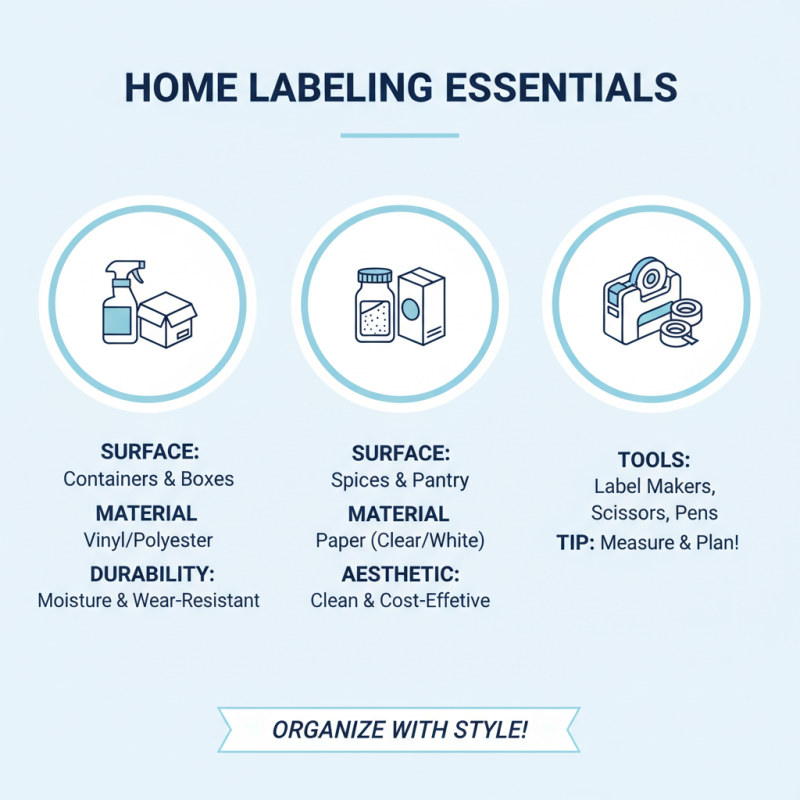
When embarking on home labeling projects, selecting the right materials and tools is crucial for achieving a polished and functional look. Start by considering the surface you will be labeling. For containers and boxes, waterproof labels made from vinyl or polyester are effective, as they endure moisture and wear. If you’re labeling items like spices or pantry essentials, clear or white paper labels can provide a clean aesthetic while being cost-effective.
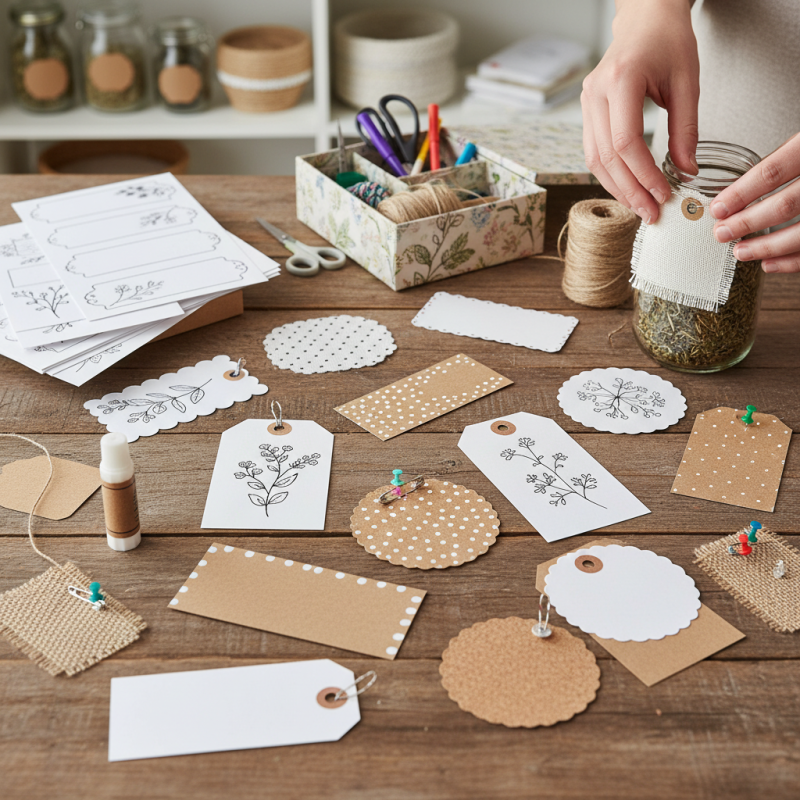
In terms of tools, a good quality label maker can simplify the process, especially if you need consistent, professional-looking results. Alternatively, you might opt for printable labels that can be customized using graphic design software, allowing for creative freedom. Don't forget to stock up on scissors, adhesive, and perhaps even decorative elements such as ribbons or washi tape for a personalized touch. By carefully choosing your materials and tools, you can ensure your labeling projects not only serve their practical purpose but also enhance the overall organization and style of your space.
Step-by-Step Guide to Designing Custom Labels Using Software
Designing custom labels at home can be a fun and fulfilling project, especially when utilizing user-friendly software tools. Begin by selecting software that suits your design needs; popular options include Canva, Avery Design & Print, or Adobe Spark. Each of these platforms offers a variety of templates tailored for different purposes, allowing you to create labels for jars, gifts, or even organizing office supplies. Choose a template that resonates with your task, and don’t hesitate to explore the customization options available, from changing colors to adding images or text.
Once you have settled on a design, ensure that you have the correct size label paper for your printer. Most software provides guidelines on how to set your document dimensions to match the label sheets you have purchased. Next, print a test label on regular paper to check the alignment and the design's overall look. After you’re satisfied, switch to your label paper and print the final design. With these simple steps, you can create stunning, personalized labels that not only serve a functional purpose but also reflect your creative style.
Creative Ideas for Unique Label Designs and Personalization
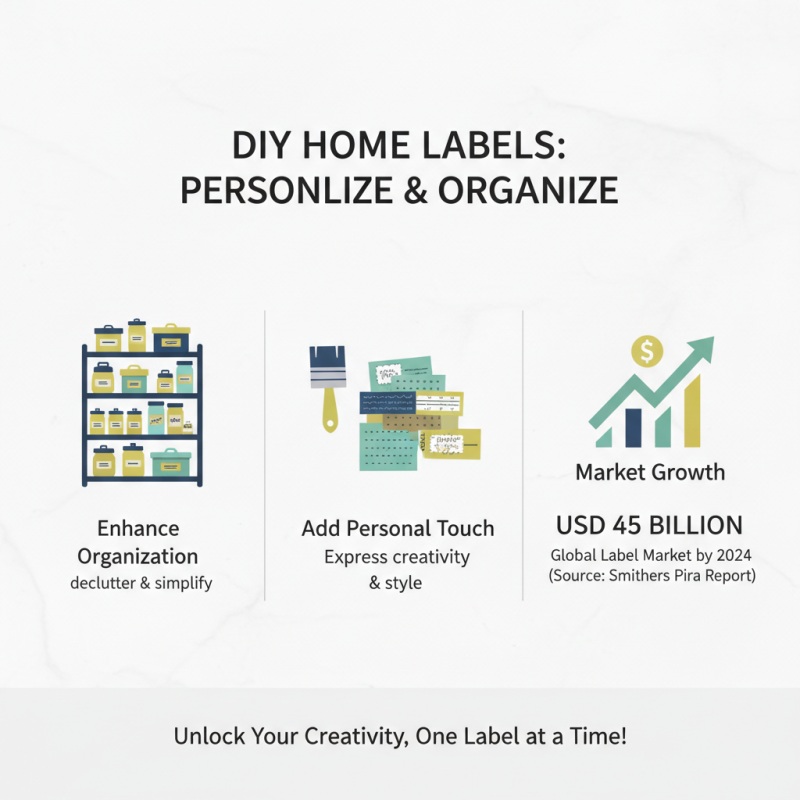
Creating unique label designs at home can not only enhance organization but also add a personal touch to everyday items. According to a report by Smithers Pira, the global label market is projected to reach USD 45 billion by 2024, highlighting the growing importance of labels in branding and personalization. This presents an excellent opportunity for individuals to express their creativity.
One appealing method for crafting personalized labels is through the use of printable label sheets available in various sizes and styles. Simple design software like Canva or Adobe Spark provides users with templates that allow for endless customization. By incorporating graphics, unique typography, and color schemes that reflect personal tastes, anyone can create standout labels for jars, gifts, or home organization. Data from the Label Industry Global Statistics also indicates that over 70% of consumers are influenced by the appeal of packaging and labeling, demonstrating the significance of aesthetically pleasing labels in everyday life.
Moreover, for those inclined towards hands-on crafting, using materials like washi tape and stamps can yield distinctive results. Creating labels with tangible elements enhances their uniqueness and offers a tactile experience that digital designs cannot replicate. This combination of creativity and personalization not only serves practical purposes but also satisfies the growing consumer demand for customization in their belongings.
Tips for Applying and Maintaining Labels for Longevity and Clarity
When creating labels at home, it's crucial to focus on their application and maintenance to ensure longevity and clarity. According to a report by the Label and Narrow Web magazine, nearly 75% of consumers indicate that well-labeled products significantly enhance their purchasing decisions. To achieve this, using high-quality materials and adhesives is essential. Opt for durable label papers that are water-resistant and printed with fade-resistant inks, which can last up to five years without deteriorating, based on findings from the Label Academy.
Furthermore, the way you apply your labels plays a significant role in their performance. The Pressure-Sensitive Tape Council suggests that labels should be applied at temperatures above 50°F for optimal adhesion. Moreover, it’s important to ensure that the surface is clean and dry to prevent peeling and fading. For added protection, consider laminating your labels, which can extend their lifespan by effectively shielding them from moisture, dirt, and physical wear. According to industry analysis, laminated labels can last 2-3 times longer than non-laminated options, maximizing both usefulness and aesthetics in any application.