How to Make Labels for Every Occasion in 2026?
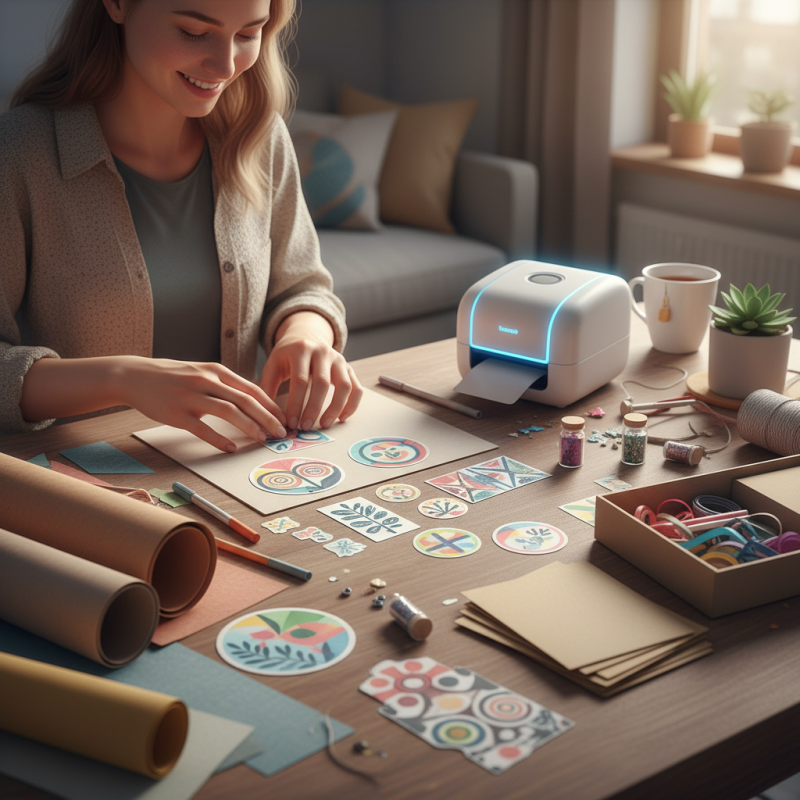
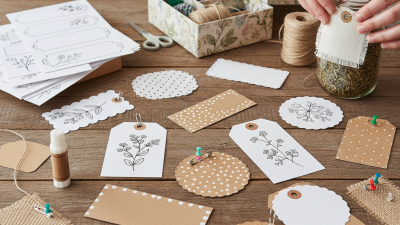
In 2026, people are finding creative ways to make labels for every occasion. Whether for parties, organizing, or gifts, labels can enhance any experience. Industry expert Emily Carter states, "Making labels adds a personal touch that elevates your project." This perspective has gained popularity among DIY enthusiasts.
Labels serve more than just identification. They bring color and character to mundane tasks. With innovative printing technologies, anyone can design labels at home. However, many struggle with choosing the right materials and designs. A simple mistake can lead to wasted time and resources.
Embracing imperfections is part of the labeling journey. The right label might not be perfect, but it should convey meaning. Finding joy in the process makes creating labels more fulfilling. As we explore how to make labels for every special moment, let’s remember: it’s not just about functionality; it’s about creativity.
How to Choose the Right Label Material for Different Occasions
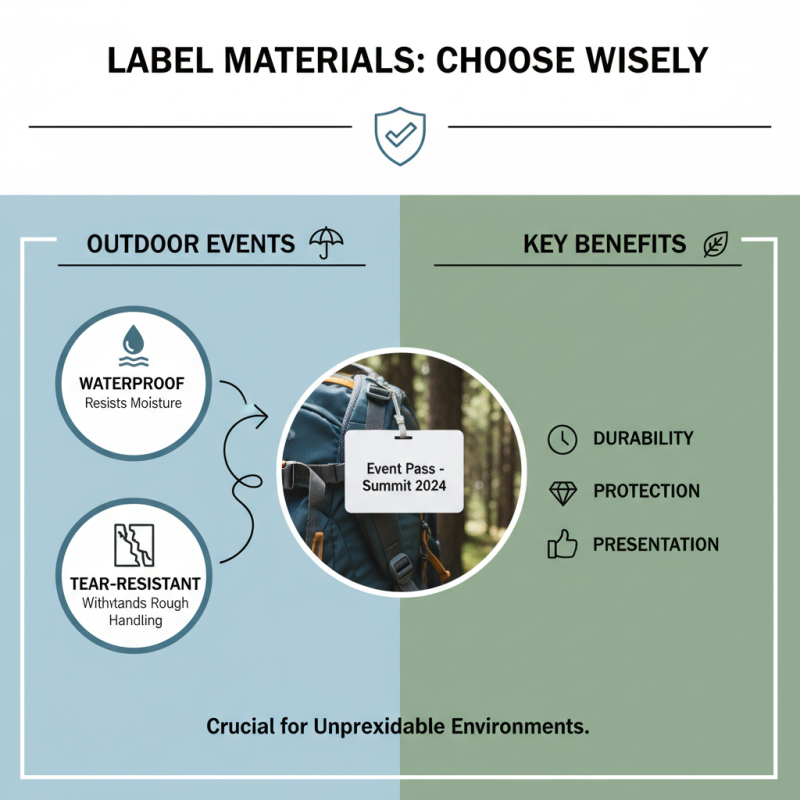
Choosing the right label material is crucial for every occasion. The texture and finish can significantly impact the overall presentation. For outdoor events, waterproof and tear-resistant materials work well. They withstand moisture and rough handling, ensuring your labels remain pristine. This is essential for items displayed in unpredictable environments.
For formal gatherings, like weddings or corporate events, consider using elegant paper or fabric labels. These materials add a touch of sophistication. However, they can be less durable. If exposed to spills or humidity, they might not hold up. Reflect on your setting and choose wisely. Sometimes, labels don’t turn out as expected, and that’s part of the process.
For casual occasions, prioritize fun and vibrant designs. Synthetic options often offer bright colors, perfect for parties or children’s events. They are usually easy to print too. Yet, with all materials, test them beforehand. This practice helps avoid unexpected disappointments. Labels should enhance your occasion, not detract from it.
The Importance of Label Size and Shape in Effective Communication
In 2026, labels serve as more than just identifiers; they play a crucial role in effective communication. The size and shape of a label can significantly impact how the information is perceived. A small, round label might be easily overlooked on a crowded shelf, while a bold rectangular label can attract immediate attention. This difference can mean the success or failure of conveying your message.
Moreover, consider the practical aspects of label dimensions. A label that is too large can overwhelm the product, diverting focus from its essential features. On the other hand, an excessively small label can leave vital information unreadable. Striking the right balance is essential but often overlooked. Many people rush this decision. They often choose generic shapes or sizes, missing an opportunity to customize for specific situations.
Beyond aesthetics, the shape impacts how people engage with the label. A uniquely shaped label can spark curiosity. This can lead to a deeper interaction with the product. However, this should not be a purely creative choice. Misjudging the audience's preferences could result in confusion. Reflecting on past experiences can guide more informed decisions moving forward.
Label Size and Shape Preferences in 2026
Top Labeling Tools and Software for 2026: A Comprehensive Review
In 2026, creating labels can be straightforward with the right tools. Today's software offers various features for different needs. Basic label makers can handle simple tasks, like addressing envelopes. For more complex projects, advanced software provides templates and design tools. Users can choose sizes, fonts, and colors. The flexibility is appealing, but it can also lead to overwhelming choices.
Another important aspect is integration. Some labeling tools sync with databases. This makes it easier to create bulk labels from existing information. However, this feature might not work seamlessly for everyone. Users may face compatibility issues with their existing systems. It’s crucial to choose tools that fit your workflow.
Don’t forget about aesthetics. A label should stand out. Some tools let you add images or logos, enhancing visual appeal. But mixing too many elements can make a label look cluttered. Striking the right balance is key. Finding the perfect tool involves experimenting and refining your choices over time. Remember, a label's purpose is to communicate clearly and effectively.
How to Make Labels for Every Occasion in 2026? - Top Labeling Tools and Software for 2026: A Comprehensive Review
| Labeling Tool/Software |
Best For |
Key Features |
Pricing |
| LabelMaker Pro |
Small Businesses |
Custom templates, batch printing, data import |
$15/month |
| Avery Design & Print |
Home Users |
Pre-designed templates, easy-to-use interface |
Free |
| Canva |
Graphic Designers |
Drag-and-drop editor, royalty-free images |
$10/month |
| Brother p-touch Editor |
Office Use |
Barcode printing, text formatting |
$30/year |
| Label Studio |
E-commerce |
Dynamic labels, integration with online stores |
$25/month |
| Microsoft Word |
General Users |
Mail merge, customizable label sizes |
$69.99/year |
Innovative Printing Techniques for Custom Labels in Various Industries
In 2026, custom labels are more essential than ever. Various industries require innovative techniques to create visually appealing labels. Users seek labels that represent their brand and convey messages effectively. The advancements in printing technology play a crucial role in this transformation.
Digital printing is a game-changer. It allows for high-quality, customizable labels with various finishes. Consider using vibrant colors that catch the eye. Don’t hesitate to experiment with textures, too. Try matte, gloss, or even embossed surfaces. Each option sends a different message about your product.
Tips for success: Start with a clear design concept. Think about your audience. What will resonate with them? Always test your labels before full production. Seek feedback to refine your ideas. It’s okay to make mistakes. Each label should tell a story and connect with consumers.
Innovative materials are also worth exploring. Sustainable options can add value, as many consumers care about environmental impact.
Understanding Regulatory Compliance for Labels in Food and Cosmetics
Creating labels for food and cosmetics requires a solid understanding of regulatory compliance. In 2026, labels must adhere to stringent guidelines that ensure consumer safety. Every ingredient should be clearly listed. Customers expect transparency. If an ingredient is unfamiliar, it may raise concerns.
Food labeling is particularly detailed. It must include serving sizes, nutritional information, and allergens. Missing out on any of these elements can lead to confusion. Cosmetics also have specific rules. For instance, a product's function should be stated clearly.
Being compliant is challenging. Regulations can vary by region or product type. Continuous research is essential. Labels must be updated regularly to match changing rules. It can be frustrating to navigate this landscape. Yet, these efforts protect the consumer. The responsibility lies with producers to get it right. Balancing creativity and compliance is key.