Why Choose Metal Tool Box at the 2026 Canton Fair?
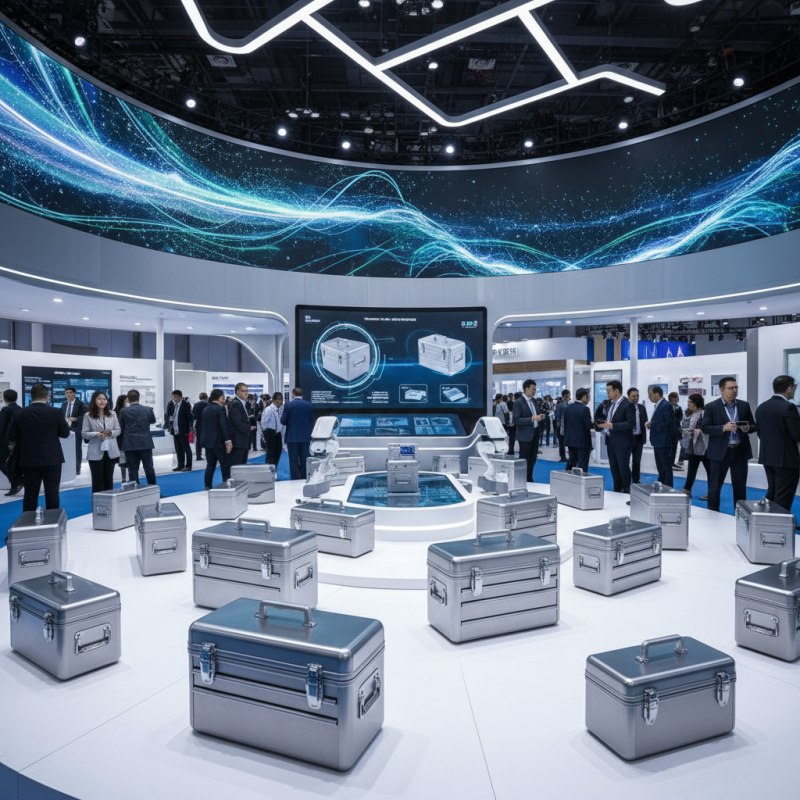
The 2026 Canton Fair, set to take place from April 15 to May 5, will be a pivotal event for global trade. Among the many products showcased, the Metal Tool Box stands out as a must-see item. With the focus on advanced manufacturing and quality home goods, this fair will draw manufacturers and buyers alike.
This year's fair integrates AI technology, enhancing the experience for visitors. Buyers can now effortlessly locate suppliers of Metal Tool Boxes that meet specific qualifications like ISO and CE certifications. Imagine navigating through 155,000 square meters of exhibition space with precision. The efficiency of finding top-quality products has increased significantly.
However, the focus on innovation also raises questions. Are we prioritizing style over functionality in tool designs? As we explore new models of Metal Tool Boxes, we should reflect on whether they truly meet user needs. Balancing aesthetics and practicality will remain a challenge as trends evolve in the hardware industry.
Advantages of Metal Tool Boxes in Industrial Applications
Metal tool boxes are an essential choice for various industrial applications. Their durability is unmatched. Unlike plastic, metal can withstand harsh conditions, making it a long-lasting option. In factories and manufacturing environments, tool boxes face heavy wear and tear. Metal provides the strength to handle the toughest tasks without losing integrity over time.
Here are some tips for selecting the right metal tool box:
- Consider the weight. Heavier boxes may offer more durability but can be challenging to move.
- Think about the size. A larger box allows for more tools but may take up valuable space.
- Look for secure locks. Safety is critical, especially in a bustling environment.
Metal tool boxes can also protect tools from environmental elements.
Moisture and dust can damage sensitive equipment. However, not all metal boxes are rust-proof. It’s essential to evaluate the materials used in construction.
Coatings can enhance resistance but may wear down.
Versatility is another advantage. Metal tool boxes can be customized with compartments. This helps in organizing various tools efficiently. However, keep in mind that without proper organization, a metal tool box can quickly turn chaotic. Consider
labeling sections to maintain order over time.
Market Trends in Tool Storage Solutions for 2026
In 2026, the trend in tool storage solutions leans heavily towards metal tool boxes. These boxes offer durability and stability. They withstand harsh environments, making them ideal for both professionals and DIY enthusiasts. Their robust design can handle heavy tools without compromising safety.
Compact design is essential in today's fast-paced world. Many consumers prefer tool boxes that maximize space efficiency. Stackable options are on the rise, allowing users to organize tools better. Yet, not all metal tool boxes meet these needs. Some are bulky and hard to store. This prompts a need for manufacturers to rethink their designs continually.
Color and aesthetics also play a role. Shiny metallic finishes attract attention, yet practicality is crucial. Features like removable trays and modular designs are becoming more popular. However, finding the right balance between style and functionality is challenging. Users still report frustration with heavy lids or uneven surfaces. This feedback is important for future innovations in tool storage.
Comparative Durability of Metal vs. Plastic Tool Boxes
When considering a tool box for durability, metal options shine. A recent industry report highlights that metal tool boxes can last up to 15 years. In contrast, plastic models average only 5 to 7 years. The difference in longevity is crucial for professionals and enthusiasts alike.
In terms of impact resistance, metal boxes frequently outperform their plastic counterparts. Metal can withstand heavier weights and resist dents better. On the other hand, plastic can crack under pressure or extreme temperatures. The data shows that 30% of users reported their plastic tool boxes failed to hold up over time.
However, not everything about metal tool boxes is perfect. They can be heavier and less portable. Some users find difficulty in maneuvering larger, metal boxes. Additionally, metal’s susceptibility to rust requires proper maintenance, especially in humid environments. This trade-off between durability and convenience creates a dilemma for many buyers.
Environmental Impact of Metal Tool Boxes in Manufacturing
The manufacturing industry faces a critical choice regarding materials. Metal tool boxes stand out due to their environmental advantages. According to a report by the International Institute of Environmental Science, metal boxes can be recycled up to 95%. This high recyclability reduces waste in landfills.
Moreover, the production of metal tool boxes generates less pollution compared to plastic alternatives. A study from the Global Manufacturing Association highlights that metal, when produced responsibly, can lead to a smaller carbon footprint. Yet, the mining of metals still poses significant environmental challenges. These aspects require careful consideration.
Many manufacturers hesitate to switch to metal due to costs. Initial investment can be higher than plastic. However, the long-term durability of metal tools can offset these costs. A report by the Green Products Council suggests that metal tools have a lifespan three times longer than plastic. This durability means fewer replacements, leading to lower overall environmental impact. Ultimately, the choice of materials in tool manufacturing needs reflection on sustainability and responsibility.
Why Choose Metal Tool Box at the 2026 Canton Fair? - Environmental Impact of Metal Tool Boxes in Manufacturing
| Dimension | Metal Tool Box | Plastic Tool Box | Wooden Tool Box |
| Durability | High | Medium | Low |
| Recyclability | Yes | Limited | Yes |
| Carbon Footprint (kg CO2/kg) | 3.5 | 4.0 | 2.5 |
| Lifespan (Years) | 20+ | 5-10 | 10-15 |
| Weight (kg) | 5.0 | 2.5 | 4.0 |
| Cost ($) | 40-70 | 20-40 | 30-50 |
Customer Preferences for Tool Storage Options at Trade Fairs
When visiting trade fairs, customers often look for practical and durable storage solutions. Metal tool boxes have gained popularity for several reasons. They are robust, providing excellent protection for tools. The sturdy construction ensures longevity, making them a preferred choice for many buyers.
Preferences vary among attendees. Some seek stylish designs, while others prioritize functionality. Survey data indicates that a significant number of attendees favor metal boxes over plastic alternatives. They appreciate the sleek look and resilience. However, metal boxes can sometimes be heavier. This weight can be a drawback for those who need to transport tools frequently.
Choices can reflect deeper preferences. Some customers might overlook the practicality of metal in favor of aesthetics. This could lead to regrets later on. A carefully chosen metal box can enhance organization and efficiency in a workspace. Yet, it’s worth reflecting on personal needs and storage habits. Ultimately, the decision comes down to balancing style and utility.