Why Packaging Labels Are Essential for Your Product Success
In today's competitive marketplace, the importance of
packaging labels cannot be overstated. As consumers are inundated
with countless products, it's the packaging labels that often serve as a
critical differentiator. According to industry expert Jane Smith,
a renowned packaging strategist, "Effective packaging labels are not just informative;
they are the first impression a consumer has of a brand." This statement encapsulates the integral
role that packaging labels play in both attracting potential buyers and conveying essential product information.
The design, clarity, and compliance of packaging labels can significantly influence
consumer perception and purchasing decisions. Attention-grabbing labels not only
capture the eye but also communicate key aspects such as ingredients, usage instructions,
and brand values. Moreover, with the surge of sustainable practices,
the choice of materials and messaging on packaging labels can resonate deeply with
environmentally conscious consumers.
Therefore, understanding the intricacies of packaging labels is vital for any brand
aiming to achieve product success. Companies that recognize the power of packaging labels
are more likely to engage customers effectively and cultivate long-lasting loyalty, making
them a cornerstone of modern marketing strategies.
The Role of Packaging Labels in Consumer Decision-Making
Packaging labels play a crucial role in shaping consumer decision-making. According to a study by the Packaging Association, over 60% of consumers make purchasing decisions at the point of sale, heavily influenced by packaging design and labeling. Labels serve not only to inform but also to attract potential buyers, communicate brand values, and differentiate products in a crowded marketplace. With 70% of consumers admitting that they will try a new product if the label catches their eye, creating an appealing label can directly impact sales and brand loyalty.
Tips: Focus on including key information such as ingredients, nutritional facts, and any certifications that lend credibility, like organic or non-GMO labels. A clear, engaging design that reflects your brand’s identity can also enhance appeal, making sure consumers feel a connection to what they are purchasing.
Furthermore, a Nielsen report revealed that 76% of consumers are more likely to purchase a product with clear labeling. Clear, concise information helps build trust with consumers, ensuring they feel knowledgeable about what they are buying. This transparency is key in today's market, where health-conscious and socially responsible consumers seek products that align with their values. Taking the time to design thoughtful packaging labels can significantly contribute to a brand’s overall success.
Essential Elements of Effective Packaging Labels
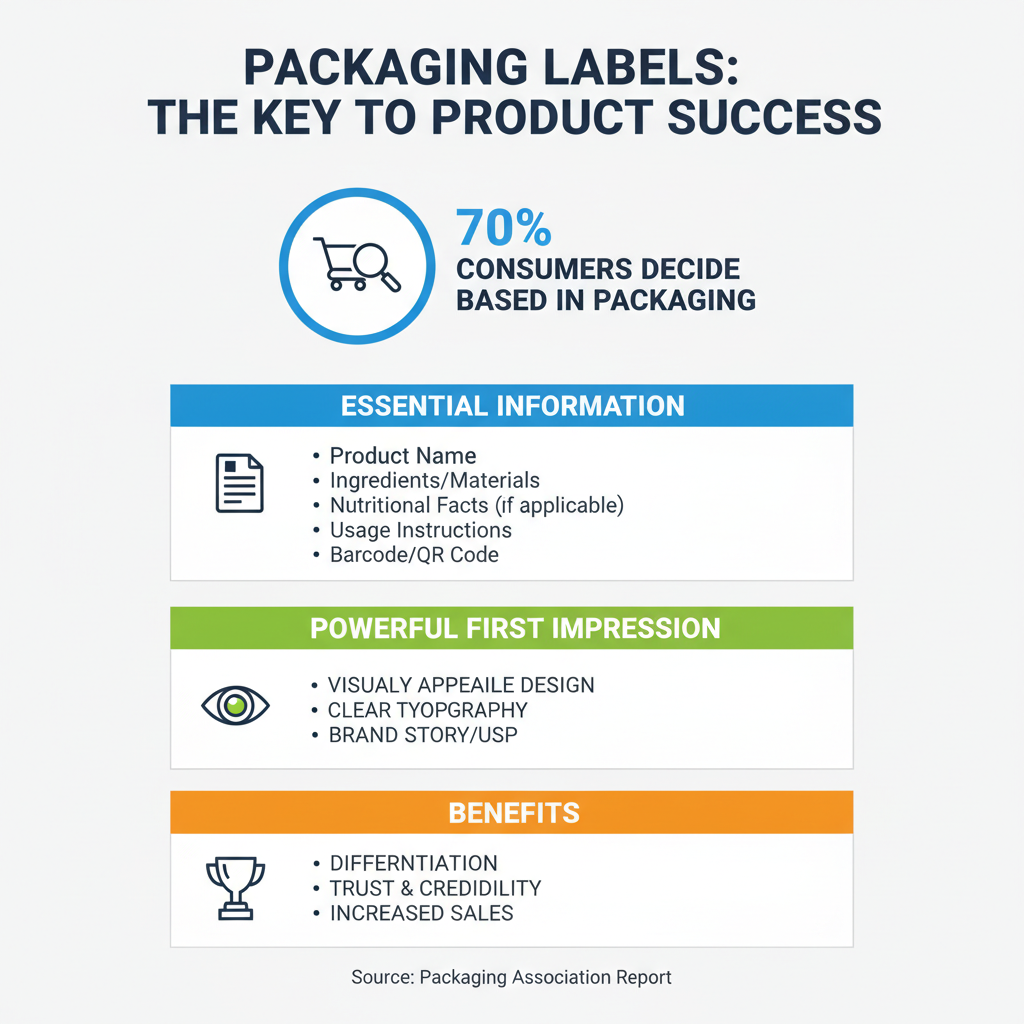
Effective packaging labels play a crucial role in a product's success by conveying essential information and creating a powerful first impression. According to a report by the Packaging Association, 70% of consumers form their purchase decisions based solely on packaging. This emphasizes the importance of visually appealing designs, clear typography, and informative content. A well-crafted label can communicate the unique selling points of a product, instill trust, and differentiate it in a crowded marketplace.
When creating your packaging labels, incorporate key elements that resonate with your target audience. Firstly, ensure that the label includes essential information such as ingredients, usage instructions, and nutritional facts. A survey from Nielsen found that 56% of consumers actively read packaging labels before purchasing. Secondly, the design should reflect your brand identity and appeal to consumers emotionally. Use colors and images that represent your brand ethos to create a connection with customers.
**Tips:** Use high-contrast colors for readability and ensure that fonts are legible regardless of size. Additionally, conduct consumer testing to gather feedback on label designs before finalizing. Adjusting your package labels based on consumer insights can significantly enhance engagement and sales.
How Packaging Labels Enhance Brand Identity
Packaging labels play a pivotal role in establishing and enhancing brand identity. In a crowded marketplace, where consumers are confronted with numerous choices, a well-designed label serves as the first point of interaction between the product and potential buyers. It conveys not just essential product information but also the values and personality of the brand. Colors, fonts, and imagery work together to create a cohesive look that can evoke emotions and associations, making the product memorable and appealing.
Moreover, packaging labels can communicate the brand story effectively. This storytelling aspect is crucial; it informs consumers about the origins of the product, sustainability efforts, or unique selling propositions. By integrating elements that resonate with the target audience, such as eco-friendly materials or artisanal craftsmanship, companies can strengthen customer loyalty and differentiate themselves from competitors. In essence, packaging labels are not merely functional; they are strategic tools that shape brand perception and drive consumer engagement.
Why Packaging Labels Are Essential for Your Product Success - How Packaging Labels Enhance Brand Identity
| Aspect |
Description |
Impact on Brand Identity |
| Design |
Attractive and professional design that aligns with brand values. |
Enhances visual appeal and attracts customer attention. |
| Information |
Clear product information including ingredients, usage, and warnings. |
Builds trust and informs customers for better purchasing decisions. |
| Regulatory Compliance |
Meets industry standards and legal requirements. |
Establishes credibility and reliability of the brand. |
| Sustainability |
Use of eco-friendly materials and processes. |
Appeals to environmentally-conscious consumers and enhances brand loyalty. |
| Branding Elements |
Incorporation of brand logos, colors, and fonts. |
Strengthens brand recognition and continuity. |
Regulatory Compliance and Packaging Labels: What You Need to Know
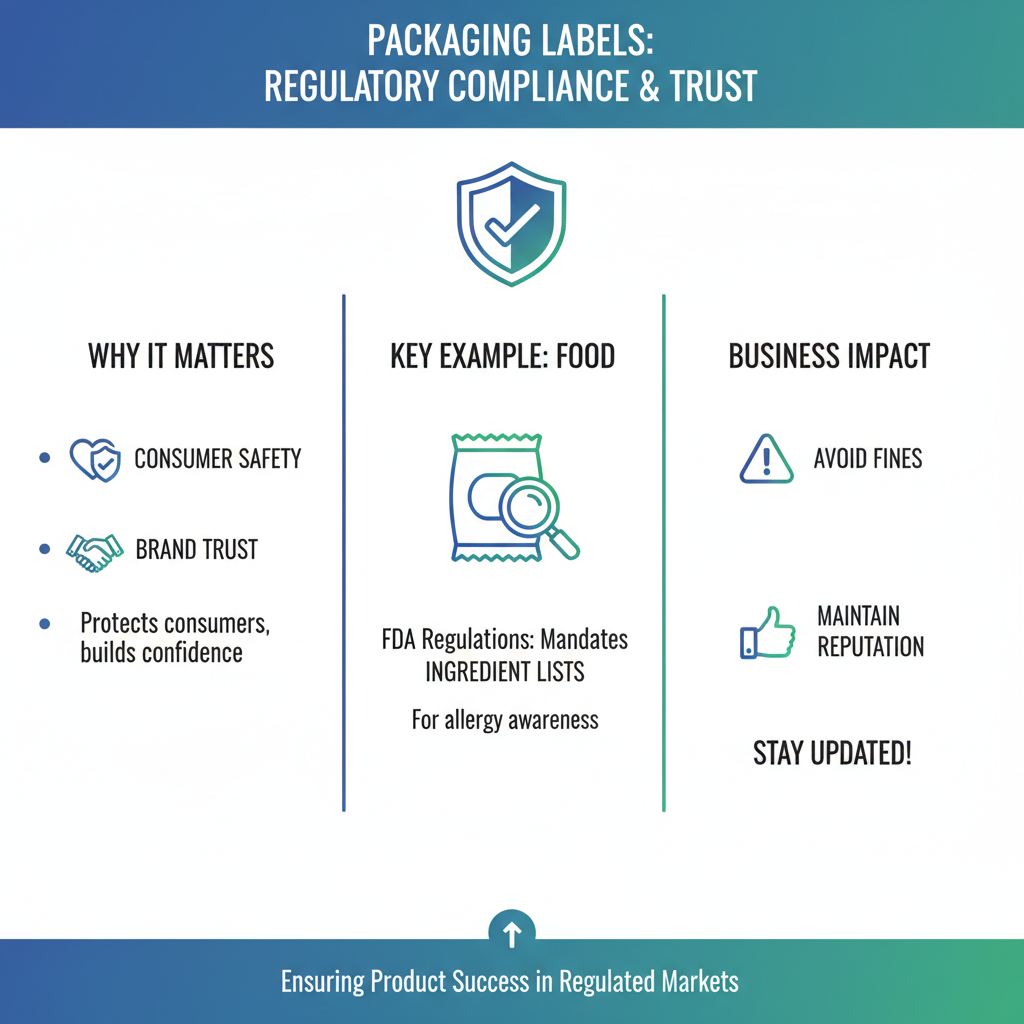
In today's highly regulated market, understanding the importance of packaging labels is critical for ensuring your product's success. Regulatory compliance is not just a box to check; it protects consumers and builds trust in your brand. For example, the FDA enforces regulations that mandate the listing of ingredients on packaged foods to safeguard individuals with food allergies. Companies must stay updated on these requirements to avoid costly fines and maintain consumer trust.
Additionally, businesses should prepare for upcoming changes in labeling regulations, such as the front-of-package labeling compliance required by 2026. This mandate will include a nutrition symbol for products high in saturated fats, sugars, or sodium. Staying informed about such regulations is essential for maintaining compliance and ensuring your products are well-received by consumers.
Tips: Regularly review your packaging to ensure it meets current regulatory standards. Utilize resources and partnerships that provide AI-powered regulatory intelligence to streamline compliance workflows effectively. Keep an eye on new legislation that may impact labeling requirements in your area to stay ahead of the curve.
The Impact of Packaging Labels on Sustainability and Consumer Trust
Packaging labels play a crucial role in shaping consumer trust and perceptions of sustainability. In an age where environmental consciousness is paramount, consumers are increasingly scrutinizing the packaging of the products they buy. Labels that transparently communicate a product’s eco-friendly attributes, such as recyclable materials or certifications from recognized environmental organizations, can significantly enhance consumer belief in a brand's commitment to sustainability. This transparency not only instills confidence among consumers but also fosters a sense of loyalty, as shoppers tend to gravitate towards brands that share their values.
Furthermore, effective packaging labels can inform consumers about the ethical practices behind a product's production. Clear indications of sustainable sourcing, fair trade, or local manufacturing can resonate deeply with eco-conscious shoppers, encouraging them to support brands that prioritize responsible practices. By investing in detailed and honest labeling, companies can differentiate themselves in a crowded market and create deeper connections with their customer base, ultimately driving product success through enhanced trust and a shared commitment to sustainability.