What is Stainless Steel Flange and Its Uses in Industry?
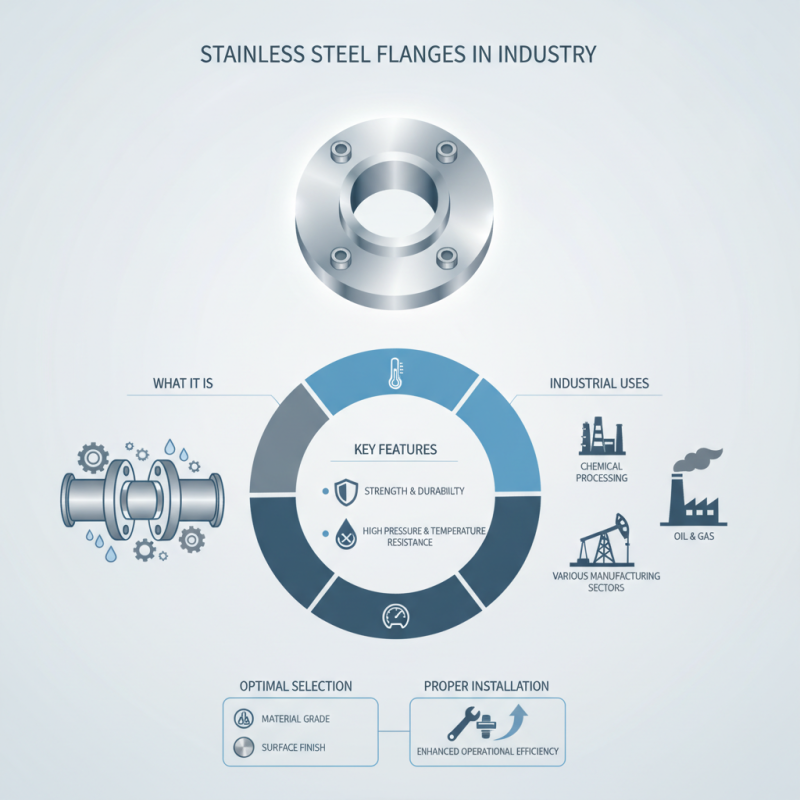
Stainless Steel Flanges are crucial components in various industrial applications. These versatile fittings offer strength and durability, essential for seamless connections in piping systems. Their ability to resist corrosion makes them suitable for harsh environments, such as chemical processing and oil industries.
In many sectors, the need for reliable and robust connections cannot be overstated. Stainless Steel Flanges meet these requirements, providing a secure joint that withstands high pressures and temperatures. However, the selection of the right flange is often overlooked. Factors such as material grade and surface finish significantly impact performance.
Installation practices also deserve attention. Improper installation can lead to leaks and failures. The craftsmanship behind each flange matters. Ensuring a proper fit is vital for maximizing their longevity and functionality. A well-rounded understanding of the Stainless Steel Flange can enhance operational efficiency across various industries.
What is a Stainless Steel Flange?
A stainless steel flange is a critical component used in many industrial applications. It acts as a connection point between pipes, valves, and other equipment. Made from stainless steel, these flanges are resistant to corrosion and high temperatures, making them ideal for various environments. According to a report by MarketsandMarkets, the global flange market is expected to grow from $12.4 billion in 2021 to $15.8 billion by 2026, indicating their increasing importance in diverse sectors.
The versatility of stainless steel flanges is noteworthy. They come in various types, such as slip-on, blind, and weld neck, each designed for specific applications. For instance, slip-on flanges facilitate easy alignment and connection. Their ease of installation reduces time at the job site, yet they may require more space than other types. Additionally, proper sealing methods must be used to prevent leaks, which can pose challenges during maintenance.
A common issue is the risk of galvanic corrosion when different metals are paired. This problem often arises in industrial settings where stainless steel flanges are coupled with carbon steel pipes. While stainless steel offers durability, it’s crucial to ensure compatibility to maintain integrity. Regular inspections can mitigate these risks, enhancing safety and performance. However, this adds to maintenance costs, which can strain budgets without careful planning.
Types of Stainless Steel Flanges in Industrial Applications
Stainless steel flanges are crucial components in various industries. They provide a reliable seal between pipes, valves, and other equipment. Understanding the different types of stainless steel flanges is essential for effective industrial applications.
One common type is the slip-on flange. It easily slips over the pipe, offering slightly less strength than other types. However, its simplicity makes it popular. Another important type is the blind flange. This flange closes off a pipe and is useful when needing to terminate a pipeline. The weld neck flange is designed for high-pressure systems. It offers strong support and is welded to the pipe.
In addition to these, socket weld flanges are also prevalent. They are welded into place, providing secure connections. However, they can be challenging to install correctly. Moreover, the choice of flange often depends on the application, pressure level, and temperature. These considerations are vital in preventing failures. Each flange type must be evaluated carefully to ensure it meets the requirements of a specific application.
What is Stainless Steel Flange and Its Uses in Industry? - Types of Stainless Steel Flanges in Industrial Applications
| Flange Type | Description | Common Uses | Pressure Rating (psi) |
| Weld Neck Flange | Features a long neck for alignment and welding. | Pipelines, Pressure vessels | 150 - 2500 |
| Slip-On Flange | Slides over the pipe ends; easy to install. | Non-critical applications, General use | 150 - 3000 |
| Blind Flange | Used to seal the end of a pipe. | End of pipelines, Inspection access points | 150 - 2500 |
| Socket Weld Flange | Designed for high-pressure applications, welded inside the pipe. | High-pressure applications, Oil and gas | 150 - 3000 |
| Lap Joint Flange | Requires a stub end for proper installation. | Marine applications, Piping systems | 150 - 1500 |
Key Properties and Benefits of Stainless Steel Flanges
Stainless steel flanges are essential components in various industries. They provide connections between pipes and fittings, ensuring a tight seal. One notable property of stainless steel is its excellent corrosion resistance. This makes flanges ideal for use in harsh environments, such as chemical processing and oil and gas sectors.
Another key benefit is their strength. Stainless steel flanges can withstand high pressure and temperature. This durability ensures safety and reliability in industrial applications. Additionally, they are easy to install and maintain. Their smooth surface helps reduce debris accumulation, which can lead to potential failures.
However, it's important to consider the economic factors. Stainless steel can be more expensive than other materials. The cost might lead some companies to opt for cheaper alternatives. This decision could affect long-term performance. Industry professionals must weigh initial costs against potential maintenance costs over time. A careful analysis is essential to make informed choices.
Common Industries Utilizing Stainless Steel Flanges
Stainless steel flanges play a crucial role in various industries. They are integral in creating secure connections between pipes, valves, and other equipment. Key industries that utilize stainless steel flanges include oil and gas, food and beverage, and pharmaceuticals. Each sector relies on the durability and corrosion resistance of stainless steel for efficient operations.
In the oil and gas industry, flanges facilitate safe and reliable connections. They withstand high pressure and temperature, making them ideal for demanding environments. In food and beverage processing, hygiene is critical. Stainless steel flanges ensure that products remain uncontaminated. They are easy to clean, which is vital for maintaining safety standards.
Pharmaceutical companies also depend on stainless steel flanges. They ensure that processes remain sterile and efficient. The reliability of these components is paramount to avoid costly mistakes. However, choosing the right type of flange can be complex. Each application has unique requirements that must be understood. Experts are always needed to guide these decisions.
Installation and Maintenance of Stainless Steel Flanges
Installation of stainless steel flanges requires careful attention to detail. Proper alignment is crucial to avoid leaks. Before installation, ensure the pipe ends are clean and free of debris. Use a soft cloth or brush for cleaning. Flanges should be inspected for any imperfections like cracks or warps. Even a small flaw can impact performance.
During installation, apply an appropriate gasket. This helps form a tight seal. When tightening bolts, use a crisscross pattern. This method distributes pressure evenly across the flange. Over-tightening can lead to flange damage. It’s essential to follow torque specifications provided by the manufacturer. Regularly check the flanges for signs of wear or rust.
Maintenance is an ongoing process. Flanges should be cleaned periodically to prevent corrosion. Inspect for leaks regularly, especially in high-pressure systems. If you notice any issues, address them promptly. Ignoring small problems can lead to bigger failures. Keeping a maintenance log can help track inspections and repairs. This practice is beneficial for long-term reliability.