What is a Static Frequency Converter and How Does It Work?
A Static Frequency Converter is a vital device in modern electrical systems. It converts electrical power from one frequency to another, ensuring compatibility and efficiency. This technology plays a crucial role in various industries, including renewable energy, transportation, and manufacturing.
Understanding how a Static Frequency Converter operates is essential. These devices handle AC power, facilitating the adjustment of voltage and frequency levels. This process helps to stabilize operations and enhance performance. For instance, they can adapt power for wind turbines or extend the life of critical machinery.
Despite the benefits, there are challenges associated with Static Frequency Converters. Issues such as harmonics and efficiency losses need careful management. While experts typically design these systems for optimal performance, ongoing monitoring and adjustments may be necessary. Exploring these aspects reveals the importance of expertise in implementing Static Frequency Converters effectively.
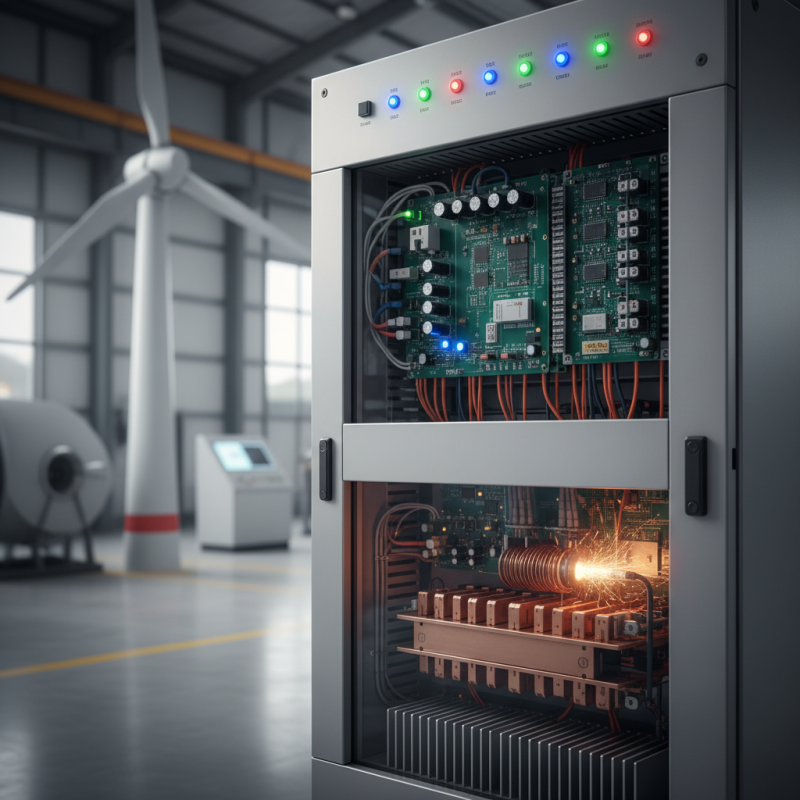
Definition of Static Frequency Converter and Its Purpose
Static Frequency Converters (SFCs) are vital for industrial applications. They convert power from one frequency to another. Typically, industries using synchronous motors need SFCs to adjust the frequency of electrical supply. This conversion allows motors to operate efficiently under varying load conditions.
The primary purpose of an SFC is to improve energy efficiency. According to a report by the International Energy Agency, improper frequency adaptation can lead to energy losses of up to 20%. This highlights the need for effective conversion technology. SFCs ensure optimal performance by matching the motor speed with the required load, thus reducing wear and tear on equipment.
Statistical data indicates a growing demand for SFCs in renewable energy systems. As the renewable sector expands, more sites require frequency adjustments. In 2022, the global SFC market was valued at $2.8 billion, with expectations to grow at a compound annual growth rate of 5.4% from 2023 to 2030. However, challenges remain. Many users lack awareness of SFCs’ benefits, leading to underutilization. The industry must address this gap in knowledge to enhance operational efficiency further.
Key Components of a Static Frequency Converter
Static frequency converters (SFC) play a critical role in converting electrical energy from one frequency to another. They are essential in various industrial applications, especially where specific frequency requirements are needed. Understanding the key components of an SFC helps in grasping its functionality and significance in modern power systems.
The heart of an SFC typically includes a rectifier, inverter, and a control system. The rectifier converts alternating current (AC) inputs into direct current (DC). According to recent industry reports, the global SFC market is expected to grow at a CAGR of around 4.8% by 2026. This growth underscores the importance of reliable rectification in efficient energy conversion.
The inverter then converts the DC back into AC at the desired frequency. This two-step conversion process can sometimes lead to energy losses. It’s vital to regularly assess the efficiency of each component to minimize downtime in operations. Effective control systems, using advanced algorithms, optimize performance but may require careful tuning. Industries must be proactive in maintaining these components for optimal efficiency.
What is a Static Frequency Converter and How Does It Work? - Key Components of a Static Frequency Converter
| Component | Function | Typical Applications |
| Rectifier | Converts AC voltage to DC voltage | Industrial power supplies |
| DC Link | Stores the DC energy for conversion | Renewable energy systems |
| Inverter | Converts DC voltage back to AC voltage at a different frequency | Variable speed drives |
| Control System | Regulates the output frequency and voltage | Motor control applications |
| Cooling System | Prevents overheating of components | High-power applications |
How Static Frequency Converters Function Mechanically
Static Frequency Converters (SFCs) are essential in various industrial applications. They convert the frequency of electrical power, allowing equipment to run efficiently. Understanding how SFCs work mechanically provides valuable insights into their functionality.
At the core of an SFC is its ability to manipulate electrical current. The converter typically includes a rectifier, inverter, and control system. The rectifier transforms AC power into DC. This direct current then feeds into the inverter, which converts it back to AC at the desired frequency. The control system monitors performance, ensuring the output meets operational needs. It's a delicate balance, as slight misconfigurations can lead to inefficiency or equipment damage.
Mechanical components are critical for the smooth operation of SFCs. Each part must work harmoniously to maintain optimal performance. Variations in voltage or frequency can cause stress on the system. Regular assessments and adjustments are crucial. Yet, some components may wear out quicker than expected. This necessitates a proactive approach to maintenance, as neglecting minor issues could escalate into significant problems.
Applications of Static Frequency Converters in Various Industries
Static frequency converters (SFCs) play a significant role in various industries. They convert the electrical frequency of power supply systems. This capability is crucial for applications where different machinery requires different power frequencies. SFCs ensure that equipment runs smoothly, enhancing efficiency and operability.
In manufacturing, SFCs are vital for driving variable-speed motors. They allow precise control over motor speed and torque. In the marine industry, SFCs help ships use shore power without compromising equipment performance. They provide the right frequency for onboard systems, reducing the need for onboard generators. Power quality improves significantly, leading to lower operational costs.
Renewable energy sectors also benefit from static frequency converters. They integrate renewable sources with the power grid. This helps in maintaining a stable supply despite fluctuating sources like wind and solar. However, the initial setup cost and maintenance challenges can be areas for reflection. Understanding specific needs is essential for maximizing their effectiveness in these industries.
Applications of Static Frequency Converters in Various Industries
Advantages and Limitations of Using Static Frequency Converters
Static Frequency Converters (SFCs) offer significant advantages in various industries. They convert fixed frequency electrical power to a desired frequency, enabling equipment to operate smoothly. One of the main advantages is their ability to maintain precise speed control in motors. This precision enhances efficiency in manufacturing processes, reducing energy consumption significantly. Industries like aerospace and maritime benefit from the reliability of SFCs. They ensure that critical systems function within safe parameters.
However, there are limitations to consider. Static Frequency Converters can be costly to implement. The initial investment may deter smaller companies from adopting this technology. Additionally, maintenance can be complex and requires specialized expertise. In some cases, SFCs may not perform well under abrupt load changes. This limitation poses challenges in environments with fluctuating power demands. Users must evaluate these drawbacks against the potential benefits to make informed decisions. Each application should be assessed carefully to determine if an SFC aligns with operational goals.