7 Tips for Choosing a Modular Trade Show Booth
Choosing the right Modular Trade Show Booth can shape how visitors experience your brand before anyone speaks to them. A practical booth should attract attention, support conversation, and survive repeated assembly without becoming a costly headache. I have seen attractive displays fail when their storage, lighting, or transport plans were overlooked. The design looked impressive. The setup did not.
This guide explores seven practical tips for selecting a booth that fits your goals, venue, and budget. It considers portability, graphic quality, reusability, structural flexibility, lighting, installation time, and visitor flow. Each detail matters. A heavy frame may feel stable, yet it can increase shipping costs and labor requirements. A lightweight system may travel easily, but it could need stronger anchors in busy exhibition halls. Small decisions become visible on the show floor.
Measure twice.
Reliable suppliers should explain materials, warranties, replacement parts, and realistic delivery schedules. They should also provide clear assembly instructions, not vague promises. Still, no booth choice is perfect. A modular system that works beautifully for a ten-by-ten space may feel limited in a larger exhibit. Your team’s experience matters too, especially when staff must assemble the display under time pressure. By examining these trade-offs honestly, you can choose a booth that looks professional, performs consistently, and remains useful beyond one event. That is the real value of modular thinking.
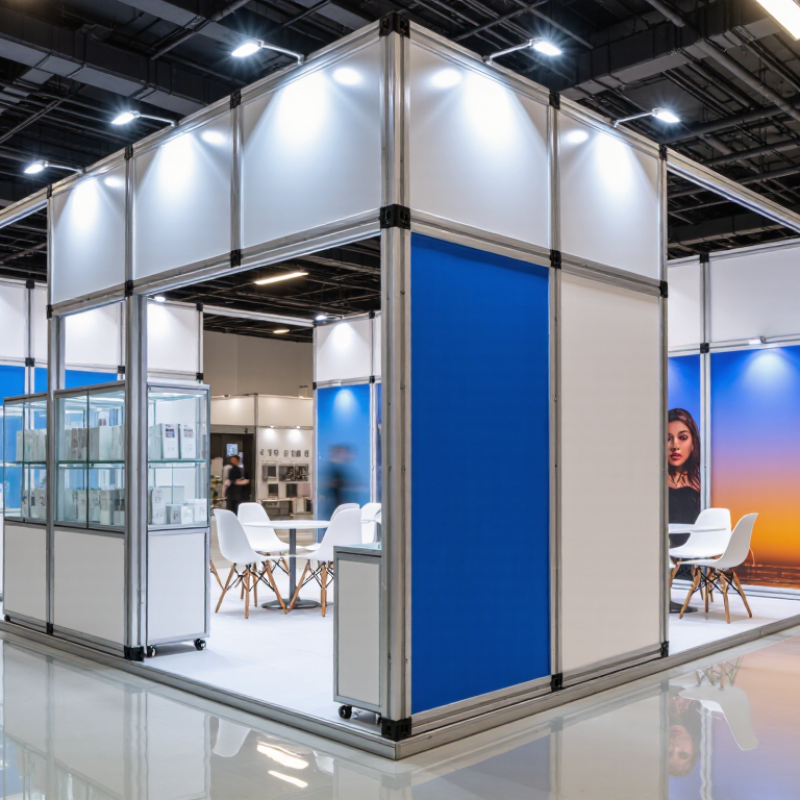
Define Your Trade Show Goals and Space Requirements
Before comparing modular booth systems, define what the exhibit must accomplish. A sales team may need qualified conversations, product demonstrations, or appointment bookings. Those goals shape the booth’s size, layout, lighting, storage, and meeting areas. Write two measurable targets, not a vague wish to “stand out.” For example, plan for 30 meaningful conversations and eight scheduled follow-ups. Keep the numbers realistic.
Measure the assigned space from the official floor plan, not from memory. Record width, depth, height limits, column locations, neighboring exhibits, and access points. Check whether the venue restricts hanging signs, rigging, electrical connections, or storage. A modular structure may fit on paper but block a corridor when furniture arrives. I once underestimated a storage case by several inches. That small mistake reduced seating and made staff movement awkward. The plan needed revision.
Match every component to visitor behavior. An open front supports casual entry, while a semi-private counter suits detailed discussions. Place demonstrations where passersby can see them without entering crowded areas. Reserve enough room for staff circulation and accessible visitor movement. Use a simple floor sketch with real furniture dimensions before ordering hardware. Review the plan with installers and sales staff; each notices different risks. Leave a modest contingency for late changes, damaged graphics, or unexpected venue rules.
Compare Modular Booth Layouts, Sizes, and Reconfiguration Options
7 Tips for Choosing a Modular Trade Show Booth
A modular trade show booth should fit your goals, not merely fill floor space. Start by comparing layouts against visitor behavior and staff movement. An open corner layout invites traffic from two aisles. A back-wall configuration protects storage but can feel less welcoming. Island layouts provide visibility, yet they demand more graphics, lighting, and staffing. Keep pathways clear. During a recent planning project, a team selected a large island footprint and underestimated setup time. That mistake changed their evaluation criteria.
Measure available space before choosing a system. Common booth sizes may include 10-by-10, 10-by-20, or larger custom footprints, depending on the venue. Confirm height limits, rigging rules, access routes, and electrical locations with the organizer. A compact 10-by-10 booth can work well with one demonstration counter and vertical messaging. A 10-by-20 layout allows a meeting nook, product display, and lockable storage. Bigger is not always better. Crowded displays weaken conversations.
Reconfiguration is where modular design earns its value. Look for frames that can change from a straight wall to an L-shape or peninsula. Check whether panels, shelves, counters, and graphics can move without specialist tools. Ask how replacement parts are labeled and transported. I prefer numbered components and a simple assembly diagram. They reduce rushed errors. Still, flexible systems have trade-offs. Extra connectors may add cost, weight, and visual seams. Test one small layout before committing to a full inventory. It may reveal an awkward corner you missed on paper. Review the plan after each event, because real visitor flow often challenges the original drawing.
Assess Vendor Support, Customization, and Total Ownership Costs
A modular trade show booth should be judged beyond its showroom appearance. I learned this after reviewing a booth that looked impressive but arrived with unclear assembly instructions. Ask vendors how quickly they answer technical questions. Request a named support contact, installation guidance, and emergency replacement procedures. Test their response before signing.
Check how easily the booth adapts to different floor spaces. Measure panel sizes, storage access, lighting positions, and graphic replacement methods. Ask whether new counters, shelves, or meeting areas can be added later. Customization should support your campaign, not create fragile parts. Request material samples and inspect seams, connectors, and printed colors in person. Small defects become obvious under exhibition lighting.
Calculate total ownership costs over several events. Include shipping crates, storage, labor, repairs, graphic updates, rental fees, and disposal. A lower purchase price may hide expensive transport or specialized assembly. Ask for a written cost model with realistic replacement timelines. Also verify warranties and return conditions. I once underestimated storage space, and the extra warehouse charges changed the project’s value. That mistake still influences my checklists. Leave room for uncertainty; event schedules and venue rules can change. A reliable vendor explains limitations clearly instead of promising everything. Supplier references, documented testing, and transparent invoices provide stronger evidence than polished sales language. Examine the complete system, not only the first quotation.
7 Tips for Choosing a Modular Trade Show Booth
Assess vendor support, customization, and total ownership costs before making a purchase.
The chart presents a practical 100-point evaluation framework for comparing modular booth suppliers. Vendor support, customization, and total ownership costs receive the highest weighting because they directly affect setup reliability, brand flexibility, and long-term value. Use the framework as a starting point and adjust the weighting to match your event schedule, booth size, shipping requirements, and reuse plans.
Planning weights shown are an internal evaluation model, not market-average pricing data.