Essential Tips for Choosing Galvanized Nails for Your Projects?
Choosing the right materials for construction is crucial. Galvanized nails are often recommended for their durability. According to industry reports, galvanized nails resist rust and corrosion. This quality increases their lifespan significantly, especially in outdoor projects.
In fact, a study by the American Galvanizers Association highlights that galvanized nails can last up to five times longer than standard nails in harsh environments. This makes them ideal for roofing, siding, and woodworking. However, not all galvanized nails are created equal. You need to consider factors like coating thickness and nail type.
Sometimes, people overlook these details. For instance, using lighter-gauge nails in heavy applications can lead to failures. Such mistakes can be costly. Thus, understanding the specifications and appropriate uses of galvanized nails is essential for achieving successful project outcomes.
Understanding Galvanized Nails: What Are They?
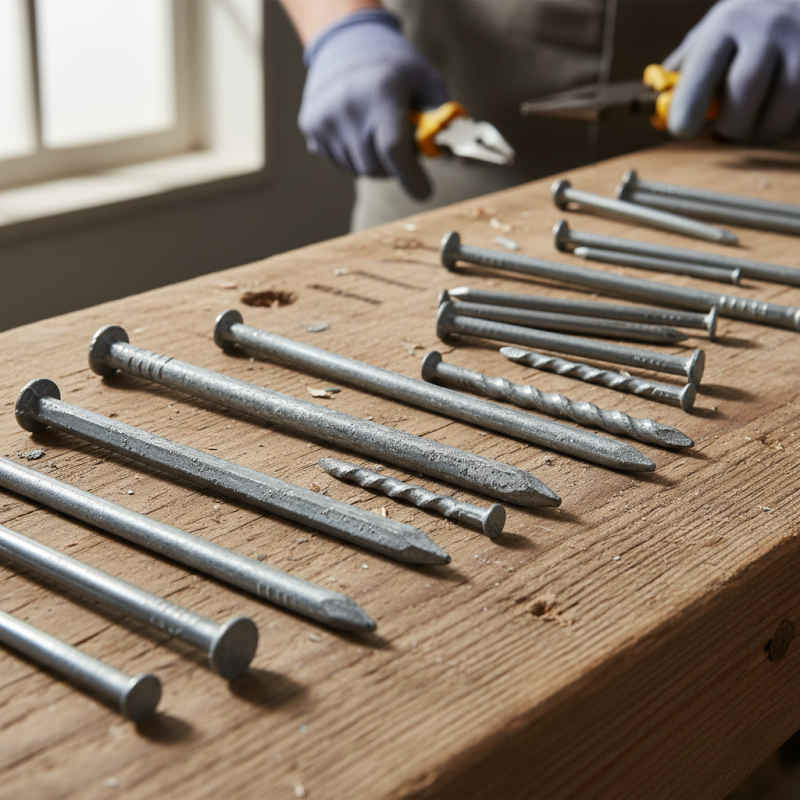
Galvanized nails are steel nails coated with zinc. This protective layer prevents rust and corrosion. They are essential for outdoor projects. Understanding their properties can help you choose the right ones.
Choosing galvanized nails requires careful consideration. Think about the environment where they will be used. Exposure to moisture can lead to faster deterioration if the wrong type is selected. Look for nails that are hot-dipped for extra protection against harsh weather. Remember, not all galvanized nails are equal. Some are more resistant than others.
When purchasing, consider the size and gauge. Thicker nails are stronger but harder to drive in. Select the right size for your project. Too long or too short could lead to failure. It’s crucial to reflect on the specific requirements of your project's materials. Check local guidelines on nail specifications. Each detail matters in ensuring durability and safety.
Types of Galvanized Nails and Their Specific Uses
When selecting galvanized nails, it's important to understand the different types available. Common types include electro-galvanized, hot-dipped, and mechanical galvanized nails. Each type provides varying levels of corrosion resistance. Electro-galvanized nails are suitable for indoor use. Hot-dipped nails are ideal for outdoor projects. They resist rust better than other types.
Consider your project's specific needs. For wooden structures, use ring-shank galvanized nails. They hold better and reduce the risk of loosening. If you're working on roofing, opt for smooth galvanized nails. They ensure a flat finish and prevent leaks. Remember, galvanized nails come in various lengths and diameters. Choosing the right size is crucial for your project's success.
Tip: Always check the environment where the nails will be used. Different climates can affect the performance of the nails. In coastal areas, for example, extra corrosion resistance may be necessary. Test the nails on a small area before large-scale use. It's a simple way to avoid potential issues later. Sometimes, nails may bend or not hold properly. Reflect on the type of nail you pick. Consider the long-term impact on your project.
Essential Tips for Choosing Galvanized Nails for Your Projects - Types of Galvanized Nails and Their Specific Uses
| Type of Galvanized Nail | Size | Common Uses | Coating Type |
| Common Nail | 6d - 16d | Framing, general construction | Hot-dipped galvanized |
| Finishing Nail | 15d - 18d | Trim, moldings, cabinetry | Electro-galvanized |
| Roofing Nail | 1" - 1.5" | Roofing shingles, felt | Hot-dipped galvanized |
| Decking Nail | 8d - 10d | Decking boards, exterior work | Hot-dipped galvanized |
| Concrete Nail | 3" - 4" | Concrete and masonry work | Electro-galvanized |
Factors to Consider When Choosing Galvanized Nails
When selecting galvanized nails for various projects, there are several key factors to consider. The coating thickness is one of the most crucial aspects. A thicker zinc coating provides better corrosion resistance. According to industry studies, nails with a 1.0 mil coating can withstand humidity better than those with a 0.5 mil coating. This can directly impact the longevity of your projects, especially in outdoor settings.
Another factor to keep in mind is the type of steel used in the nails. Various types of steel can influence how well the nails perform in different environments. For example, hot-dipped galvanized nails generally offer superior protection against rust compared to electro-galvanized options. A report from a construction materials analysis indicated that hot-dipped nails last up to 50% longer in coastal areas full of moisture compared to their counterparts.
Size and length also play a significant role in the success of your project. Nails that are too short may fail to hold materials securely. On the other hand, overly long nails could cause splitting in wood structures. Adequate planning should be done to ensure that the nails selected meet the requirements of both durability and application. Also, remember that improper usage can lead to unforeseen issues or failures down the line. Ensuring compatibility with the materials you are using is essential for lasting results.
Best Practices for Using Galvanized Nails in Projects
When working with galvanized nails, understanding best practices can make a difference. Choose the right nail size for your project. The nail length should match the thickness of the materials you are fastening. Using nails that are too short can lead to weak joints. On the flip side, longer nails may split wood. Always consider the specific requirements of your task.
Installation matters, too. Drive nails straight to prevent bending. A bent nail won’t hold properly and may ruin your work. Pre-drilling is helpful, especially in dense materials. It creates a clean entry point and reduces the risk of splitting. Take care not to overdrive the nails; this can cause damage to the surface.
After installing, check for any visible issues. Rust can appear if the project is exposed to moisture over time. Though galvanized nails resist rust, they are not immune. Regular inspections can help catch problems early. Reflecting on these practices could enhance your work and lead to better results.
Common Mistakes to Avoid When Selecting Galvanized Nails
When selecting galvanized nails, avoiding common mistakes can save time and ensure project success. Many people overlook the differences in coatings. There are various types of galvanization. Each type serves a specific purpose, especially concerning corrosion resistance. Including the right type of nail is essential for outdoor projects. Not all galvanized nails are suitable for all conditions.
[image] Check the length and diameter before purchasing. Many mistakenly assume that bigger means better. It is crucial to match the nail size to the material. A smaller nail might be sufficient for thin materials. Ensure you have the right gauge to prevent splitting. Using nails that are too thick can damage certain woods and lead to failures.
Another common error is neglecting to consider the right quantity. Overbuying can lead to waste. Buying too few risks project delays. It's advisable to calculate your needs precisely. Always purchase a bit extra, but not excessively. Finally, remember to inspect the nails before use. Rust or damage can weaken their effectiveness. These simple tips can lead to a smoother project experience.