China Top 10 ASRS Racking Suppliers?
China’s top 10 Asrs Racking suppliers are attracting attention from manufacturers, retailers, and logistics operators worldwide. Their systems support dense storage, faster retrieval, and more consistent warehouse control. However, supplier selection should involve more than comparing impressive warehouse photographs or advertised storage capacity. Asrs Racking performance depends on structural design, software compatibility, installation quality, and long-term service.
This guide examines leading Chinese suppliers through practical purchasing criteria. These include engineering experience, load capacity, rack configuration, automation integration, safety testing, customization, and after-sales support. A reliable supplier should explain aisle widths, pallet dimensions, beam loads, fire protection requirements, and maintenance intervals clearly. Site visits, reference projects, and factory inspections can reveal details that brochures often hide. Look closely.
The ranking is not absolute. Different warehouses need different solutions. A cold-storage facility may prioritize corrosion resistance and stable equipment performance, while an e-commerce center may require rapid order sequencing and flexible storage locations. Some suppliers offer strong hardware but weaker software support. Others provide excellent integration but higher project costs. That difference matters. Buyers should request comparable technical proposals, realistic delivery schedules, warranty terms, and total ownership estimates before making a decision. Even experienced teams can overlook operator training or future expansion space. This article offers a practical starting point, not a substitute for professional engineering verification.
What Is an ASRS Racking System?
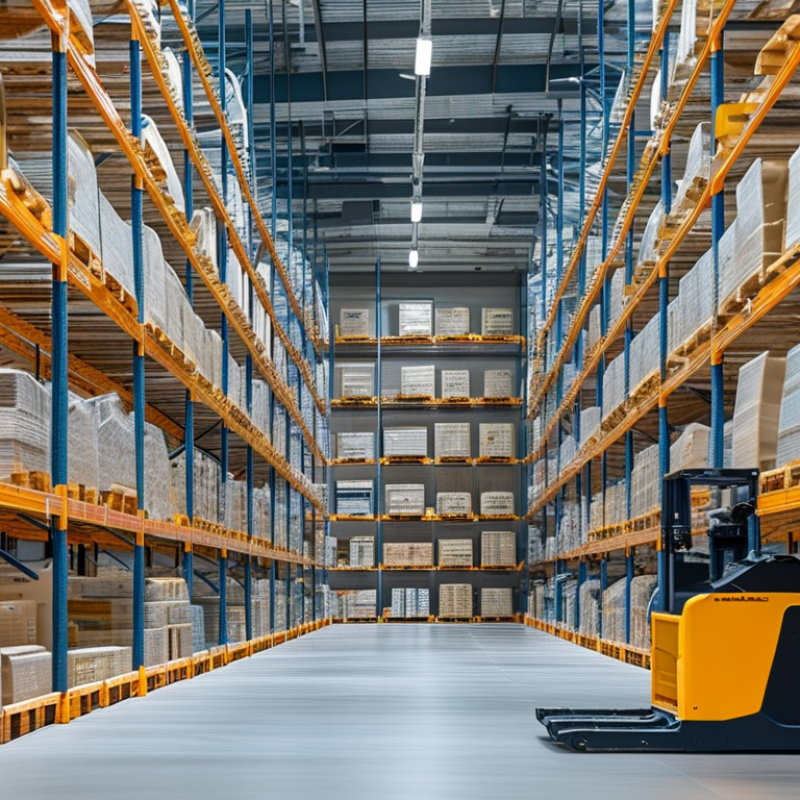
An ASRS racking system combines storage racks, automated machines, software, and safety controls. It stores and retrieves pallets, cartons, or bins with limited manual handling. A typical system includes tall steel frames, stacker cranes, conveyors, scanners, and warehouse management software. The software records each location, while sensors confirm movement and access conditions.
ASRS can use vertical space efficiently. A pallet system may reach more than 30 metres, depending on building design and local requirements. The 2024 MHI Annual Industry Report lists robotics and automation among the leading supply chain technology priorities. Its data shows that 51% of surveyed organizations already use these technologies. Adoption is expected to rise over the next five years. That figure is useful, but not universal.
In practical use, operators place a pallet at an input station. A scanner reads its identity and dimensions. The control system assigns a rack location, then a crane moves the load into position. Retrieval follows the same controlled path. This improves inventory accuracy and reduces forklift traffic. It also demands disciplined maintenance. A small software error can delay many orders. That part is often underestimated.
ASRS is not automatically the best choice. It requires accurate data, stable processes, suitable fire protection, and careful structural planning. The 2023 Interact Analysis warehouse automation research also identifies strong growth in automated storage demand, driven by labor shortages and faster fulfillment needs. Yet forecasts can miss site-specific problems. Start with real order profiles, not impressive equipment height.
China Top 10 ASRS Racking Suppliers? — What Is an ASRS Racking System?
An Automated Storage and Retrieval System (ASRS) combines storage racks, automated equipment, software, and conveyors to store and retrieve inventory with limited manual handling.
The chart compares typical installation-height ranges for common ASRS configurations. Actual height depends on building clearance, fire-safety requirements, load characteristics, seismic design, and local regulations.
Key Factors for Evaluating ASRS Racking Suppliers in China
China’s ASRS racking market includes many capable suppliers, but selection should begin with evidence, not attractive brochures. Evaluate their engineering experience with pallet dimensions, load weights, aisle clearances, and local seismic conditions. Ask for layout drawings, structural calculations, material specifications, and records from comparable warehouses. Details matter.
A reliable supplier should explain how racking, conveyors, stacker cranes, sensors, and warehouse software work together. Request factory inspection records and observe a load test when possible. Confirm steel grades, welding procedures, surface treatment, installation tolerances, and inspection standards. A supplier with qualified engineers should identify risks before production, including uneven floors or unstable pallets. Ask for evidence.
Service capability is equally important. Check response times, spare-parts availability, remote diagnostics, operator training, and maintenance procedures. Speak with existing customers about downtime, communication, and project changes. Some suppliers promise rapid delivery, yet overlook commissioning support. That gap matters. A lower quotation may also exclude software integration, safety barriers, or future expansion capacity.
Review the contract carefully. It should define performance targets, acceptance testing, warranty coverage, documentation, and responsibilities for civil works. Total cost includes installation, energy use, maintenance, upgrades, and operational delays. A practical evaluation team should score suppliers consistently, rather than choosing the most familiar proposal. My own review would still leave room for doubt: factory visits show current capability, not every future response. Recheck critical claims before signing.
China Top 10 ASRS Racking Suppliers? - Key Factors for Evaluating ASRS Racking Suppliers in China
| Evaluation Rank | Anonymous Supplier | Main China Region | Primary ASRS Solutions | Typical Load Range | Typical System Height | Reported Throughput Range | System Integration | Quality Compliance | Typical Lead Time | Warranty | Evaluation Score |
| 1 | Supplier Profile 01 | Jiangsu / Zhejiang | Pallet AS/RS, miniload, shuttle systems | 50–1,500 kg | 6–30 m | 80–350 pallets/h | WMS/WCS/MES/API | ISO 9001; CE-oriented export documentation | 16–24 weeks | 12–24 months | 91/100 |
| 2 | Supplier Profile 02 | Shanghai / Jiangsu | Pallet AS/RS, automated warehouses, conveyors | 300–2,000 kg | 8–35 m | 100–400 pallets/h | WMS/WCS/ERP/PLC | ISO 9001; CE documentation available | 18–28 weeks | 12–24 months | 89/100 |
| 3 | Supplier Profile 03 | Guangdong | Miniload, tote AS/RS, goods-to-person systems | 5–300 kg | 4–24 m | 150–800 totes/h | WMS/WES/WCS/API | ISO 9001; electrical conformity testing | 14–22 weeks | 12–18 months | 87/100 |
| 4 | Supplier Profile 04 | Shandong | Pallet AS/RS, drive-in automation, shuttle racks | 500–2,000 kg | 8–32 m | 60–280 pallets/h | WMS/WCS/ERP | ISO 9001; structural load testing | 18–30 weeks | 12 months | 85/100 |
| 5 | Supplier Profile 05 | Anhui / Jiangsu | Pallet AS/RS, stacker cranes, conveyor systems | 200–1,500 kg | 7–28 m | 70–300 pallets/h | WMS/WCS/PLC/API | ISO 9001; CE documentation available | 16–26 weeks | 12–18 months | 83/100 |
| 6 | Supplier Profile 06 | Zhejiang | Miniload, carton flow, tote and bin automation | 10–500 kg | 5–22 m | 120–650 totes/h | WMS/WES/WCS | ISO 9001; component traceability | 14–24 weeks | 12 months | 81/100 |
| 7 | Supplier Profile 07 | Henan / Hubei | Heavy-duty pallet AS/RS and automated racking | 500–3,000 kg | 8–30 m | 50–240 pallets/h | WMS/WCS/PLC | ISO 9001; welding and load inspection | 20–32 weeks | 12 months | 79/100 |
| 8 | Supplier Profile 08 | Fujian / Guangdong | Vertical lift modules, miniload and picking automation | 5–600 kg | 3–18 m | 80–450 totes/h | WMS/WCS/API | ISO 9001; electrical safety testing | 12–20 weeks | 12 months | 77/100 |
| 9 | Supplier Profile 09 | Chongqing / Sichuan | Pallet racking automation, shuttle and conveyor lines | 300–1,500 kg | 6–26 m | 50–220 pallets/h | WMS/WCS/PLC | ISO 9001; factory acceptance testing | 18–30 weeks | 12 months | 75/100 |
| 10 | Supplier Profile 10 | Hebei / Tianjin | Selective automated racking, pallet shuttle systems | 500–2,000 kg | 7–28 m | 40–200 pallets/h | WMS/WCS/PLC | ISO 9001; structural and operational testing | 20–34 weeks | 12 months | 73/100 |
Evaluation note: The supplier profiles are anonymized market-reference categories for preliminary comparison. Capacity, throughput, lead time, warranty, certifications, and software compatibility should be verified through technical specifications, factory audits, reference projects, and a formal quotation before procurement.
China’s Top 10 ASRS Racking Suppliers
China’s Top 10 ASRS Racking Suppliers should be assessed through measurable warehouse results, not catalogue size. The shortlist should include suppliers with proven experience in pallet, tote, and shuttle-based storage systems. Site visits matter. A quiet aisle is not enough.
The International Federation of Robotics reported 276,288 industrial robot installations in China during 2023, representing about 51% of global installations. This wider automation capability supports stronger ASRS engineering, controls integration, and maintenance networks. However, robot density does not prove racking quality. Buyers should examine load ratings, rack deflection, aisle tolerances, cycle times, and recovery procedures. Interact Analysis also identifies warehouse automation as a growing global investment area, driven by labor shortages and faster fulfillment demands.
A practical top-ten evaluation can score suppliers across five areas: structural design, software compatibility, commissioning history, service response, and total lifecycle cost. Request references with similar building heights and pallet weights. Ask for measured throughput during peak periods, not only laboratory figures. Fire protection coordination deserves special attention. So does earthquake resistance.
Some suppliers may offer impressive automation demos but weak after-sales support. That is a costly gap. A better review checks spare-part availability, operator training, and fault logs from operating sites. Specifications can still change after installation, especially when product dimensions vary. This is where procurement teams should remain cautious and document every assumption.
Comparing Products, Technologies, and Industry Applications
Comparing China’s leading ASRS racking suppliers requires more than counting installations. Product selection should match load weight, pallet size, building height, and order frequency. Heavy pallet systems often use stacker cranes, while shuttle systems suit dense storage and flexible access. Mini-load cranes handle cartons, totes, and small components with higher picking precision.
Technology differences become clear during live testing. A reliable supplier should demonstrate warehouse management software, warehouse control integration, barcode accuracy, and recovery after a power interruption.
Sensors, fire protection, and maintenance access also deserve close attention. A fast demonstration can mislead. Real performance depends on software logic, operator training, and stable inventory data.
Industry application changes the evaluation. Manufacturing sites may prioritize line-side replenishment and heavy loads. E-commerce warehouses need rapid picking, changing order profiles, and easy expansion. Cold-chain facilities require equipment rated for low temperatures and controlled condensation.
In practical audits, the best layout is not always the densest one. Poor access can increase travel time and complicate repairs. Suppliers should provide throughput calculations, safety documentation, spare-parts planning, and references from similar operating environments. Claims need testing. Forecasts can be wrong.
How to Select the Right Chinese ASRS Racking Supplier
Choosing among China’s top 10 ASRS racking suppliers requires more than comparing prices. Start with your warehouse facts: pallet dimensions, maximum load, aisle width, ceiling height, and required throughput. Ask for layouts from similar projects, not polished renderings alone. A supplier experienced in cold storage may not understand your high-speed manufacturing flow. Fit matters most. Measure twice.
Review the engineering package carefully. It should show rack calculations, crane or shuttle capacity, conveyor speeds, control architecture, and maintenance access. Request evidence of load testing, welding inspection, safety interlocks, and compliance with applicable local standards. Confirm how the WMS and WCS will exchange orders, alarms, and inventory data. Ask for a realistic simulation using your peak-hour profile. Average data can hide bottlenecks. No supplier is perfect.
Evaluate the people behind the equipment. Check factory quality records, installation staffing, spare-parts availability, remote support hours, and response targets. Speak with two operating customers, and ask about downtime after commissioning, not only delivery dates. Compare total cost over ten years, including software updates, energy use, training, and replacements. Require clear acceptance tests and documented handover. A low quote may exclude integration work. That omission can become expensive. Leave room for change; product sizes, labor patterns, and safety requirements rarely remain fixed.