China Top 10 pH Analyser Manufacturers for Global Buyers
Choosing a reliable Ph Analyser manufacturer requires more than comparing prices, brochures, or production capacity. Global buyers need evidence from real operating environments.
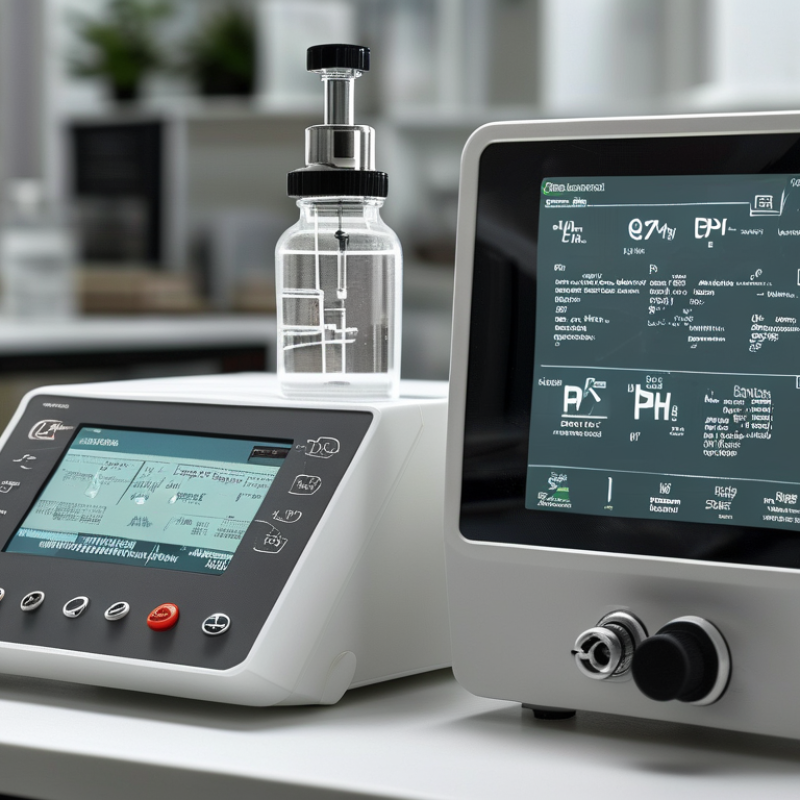
A modern Ph Analyser may look compact on a laboratory bench, yet its performance depends on electrode quality, calibration stability, temperature compensation, and software design. In water treatment, food processing, pharmaceuticals, and environmental testing, a small reading error can affect an entire batch or monitoring decision. That risk deserves careful attention.
Dr. Roger G. Bates, a respected authority on pH measurement, stated, “The pH scale is not a scale of hydrogen-ion concentration, but of activity.” His point remains important. Reliable measurement depends on scientific conditions, not just an attractive digital display.
This guide examines ten China-based Ph Analyser manufacturers serving international customers. The comparison considers product range, measurement accuracy, sensor compatibility, calibration functions, enclosure design, technical support, export experience, and application suitability. It also looks at practical details, such as replacement electrodes, response time, data output, and after-sales communication.
Not every manufacturer fits every project. Some suppliers focus on portable meters, while others build online systems for continuous process control. A low purchase price may also hide higher maintenance costs. That deserves reflection.
The rankings are not presented as absolute judgments. Supplier capabilities can change with new models, certifications, factory investments, and customer feedback. Buyers should verify current specifications before placing an order. Factory audits, sample testing, and clear warranty terms remain valuable.
The right choice is dependable, measurable, and suitable for the actual process. Reliability comes first.
What Is a pH Analyser and Why Does Manufacturer Selection Matter?
A pH analyser measures hydrogen-ion activity and converts it into a readable pH value. In practice, it combines a glass electrode, reference system, temperature sensor, and transmitter. The number looks simple. The measurement is not. ISO 10523:2008 identifies electrode-based procedures for measuring pH in water. The WHO Guidelines for Drinking-water Quality report that drinking-water pH commonly falls between 6.5 and 8.5. These figures show why stable calibration, temperature compensation, and clean sampling matter.
Manufacturer selection matters because an analyser may face scale, suspended solids, pressure, or chemical attack. A reliable supplier should document accuracy, response time, calibration intervals, ingress protection, and electrode life. It should also provide traceable buffer solutions and service records. The U.S. EPA Method 150.1 specifies electrometric pH measurement for water testing. This reinforces controlled procedures over attractive specifications. Yet specifications can mislead. A laboratory-grade unit may perform poorly in a dirty process line without suitable mounting and maintenance support. Buyer requirements should reflect the real sample, not a catalog promise.
Tips: Ask for test data using a sample similar to yours. Check calibration stability across the operating temperature range. Request an uncertainty statement, not only a headline accuracy figure. Confirm replacement-electrode availability and technician training. One overlooked detail: cable length can create installation problems. Review it early.
China’s Top 10 pH Analyser Manufacturers and Their Product Strengths
China’s top 10 pH analyser manufacturers serve laboratories, factories, water plants, and field teams. Their product strengths differ, often reflecting specific engineering experience. Some focus on compact benchtop meters with clear displays, automatic calibration, and stable temperature compensation. Others build portable analysers with waterproof housings, rechargeable batteries, and protective probe caps.
Industrial-oriented manufacturers commonly offer panel-mounted systems for wastewater, chemical processing, and aquaculture. Their stronger models support continuous measurement, relay control, alarm outputs, and remote data transmission. Several suppliers also develop rugged electrodes for dirty samples, high-temperature liquids, or low-conductivity water. This matters because a standard laboratory probe may drift quickly in demanding production conditions.
Buyer inspections show that software and after-sales support can be as important as sensor accuracy. Data logging, USB export, multilingual interfaces, and calibration reminders reduce daily errors. Some manufacturers provide OEM customization, including connector types, enclosure dimensions, and private-label packaging. However, specifications should be verified through sample testing, not brochures alone. A claimed accuracy of ±0.01 pH may depend on careful calibration, clean buffers, and controlled temperature. Field results can be less perfect.
Experienced buyers should request calibration records, electrode replacement costs, response-time data, and protection ratings. They should also test the analyser with real samples. Small details matter, especially in continuous monitoring. Suppliers with documented quality procedures and responsive technical teams usually offer greater long-term reliability.
How to Evaluate Quality, Certification, and Technical Support
China Top 10 pH Analyser Manufacturers for Global Buyers
Quality should be judged through measurement evidence, not polished catalog images. Ask for calibration records with traceability to recognized national or international standards. A practical test uses pH 4.01, 7.00, and 10.01 buffer solutions. Check repeatability, response time, temperature compensation, and reading drift. Request the stated accuracy under real process conditions, not only laboratory conditions. Examine the sensor body, cable seals, and enclosure rating. Small details matter in humid plants. Verify certifications such as ISO 9001, CE, or relevant safety and electromagnetic compatibility approvals. Confirm their scope and validity. A certificate alone proves limited performance.
Technical support often separates a dependable supplier from a difficult one. Ask whether engineers can guide installation, calibration, wiring, and controller configuration. Clear English manuals help. So do wiring diagrams and fault codes. Check response times for urgent problems, spare sensor availability, warranty terms, and software update procedures. Request anonymized case evidence from wastewater, food processing, or chemical facilities. A live demonstration is more useful than general promises. Remote diagnosis can reduce downtime, but it cannot replace local service in every country. Buyers should also confirm training options and replacement intervals. No checklist is perfect. Price still influences decisions, and that can create blind spots. A cheaper analyser may require more frequent calibration or sensor replacement. Leave room for that risk in the total-cost review.
How Global Buyers Can Select the Right Chinese Supplier
China Top 10 pH Analyser Manufacturers for Global Buyers
Choosing among China’s top pH analyser manufacturers requires more than comparing prices. The WHO/UNICEF Joint Monitoring Programme reported that 2.2 billion people lacked safely managed drinking water in 2022. This demand increases the need for stable, traceable testing equipment. Global buyers should check measurement range, resolution, temperature compensation, electrode life, and software compatibility. ISO 10523 defines pH measurement requirements for water quality, while ISO/IEC 17025 supports reliable calibration practices.
A serious supplier should provide calibration certificates, inspection records, material specifications, and clear warranty terms. Ask for test results from samples similar to your application, such as wastewater, food processing liquid, or laboratory buffer. During supplier audits, small details matter: sealed connectors, readable displays, and spare electrodes can prevent costly downtime. A cheap quotation may hide limited after-sales support. That is easy to overlook.
Tips: Request a video demonstration and a sample report before ordering. Confirm calibration points at pH 4.01, 7.00, and 10.01 when relevant. Check whether technical staff can explain drift, slope, and storage requirements. Compare at least three suppliers using the same specification sheet. Do not rely on catalog photos alone. Even experienced buyers can miss regional service limitations, so review delivery records and customer references carefully.