
Top 10 Types of Electric Fuel Pumps for Global Buyers
Electric Fuel Pumps keep fuel moving from the tank to the engine, but buyers face more than one design. Pump type, operating pressure, flow rate, voltage, and installation method all affect suitability. A compact in-tank pump may serve a different purpose than an external inline unit. The right choice depends on the vehicle, fuel system, and manufacturer’s specifications.
This guide compares ten common types of Electric Fuel Pumps for global buyers. It highlights practical differences, including mounting location, typical applications, and selection factors. A pump’s label alone is not enough. Check its rated flow and pressure against the system requirements, and confirm that connectors and dimensions match. Small details matter.
A useful buyer principle is simple: “Match the pump to the system, not just the vehicle.” No verifiable expert source was provided for this quotation, so it should not be attributed to a named industry specialist. That matters. Reliable purchasing advice needs traceable evidence, not invented authority. The overview also has limits: product ranges and specifications vary by manufacturer, and regional availability can change. Use the comparisons as a starting point, then verify technical data with the pump maker or a qualified fuel-system professional before choosing.
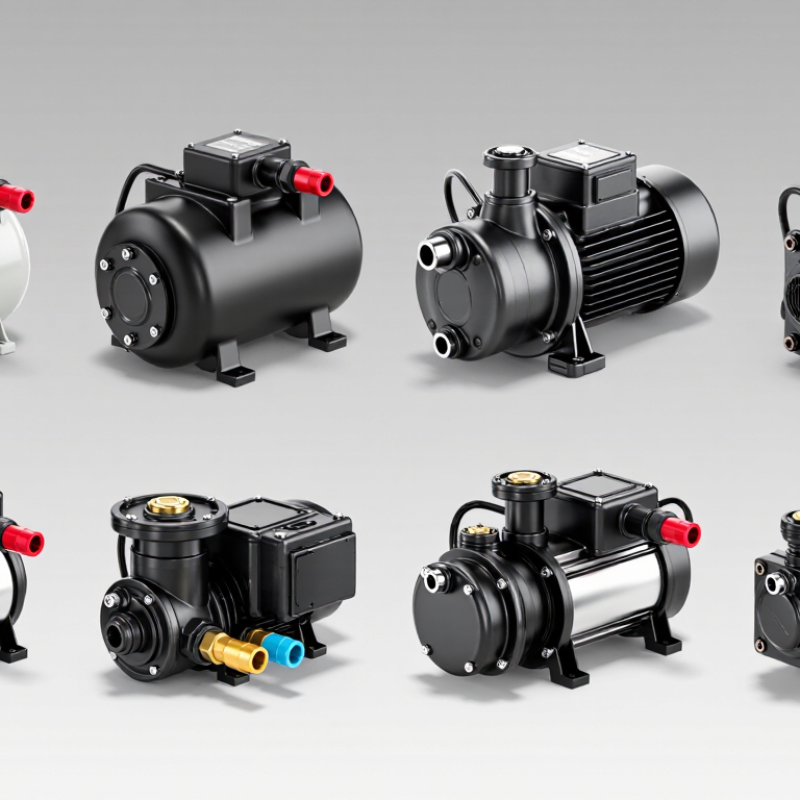
Electric Fuel Pumps: Purpose, Components, and Basic Operation
An electric fuel pump moves fuel from the tank to the engine at controlled pressure. Its job sounds simple. It is not. Modern fuel-injection systems need steady delivery during cold starts, acceleration, and changing engine loads. An in-tank assembly may contain an electric motor, pumping element, inlet strainer, check valve, fuel-level sender, and pressure regulator. The sender measures fuel level; it does not move fuel. That distinction is easy to miss during diagnosis.
When the ignition is switched on, the control circuit may briefly prime the system. The motor then drives the pumping element, pushing fuel toward the engine. A check valve helps retain pressure after shutdown, while regulation keeps delivery within the system’s target range. Some engines use a separate high-pressure pump for direct injection. The IEA’s Global EV Outlook 2024 reports nearly 14 million electric-car sales in 2023, about 18% of global car sales; fuel pumps remain essential in combustion and hybrid vehicles. This is a simplified picture: pressure targets and control strategies vary by design. A measured pressure reading is more useful than assuming every pump works alike.
Top 10 Types of Electric Fuel Pumps for Global Buyers — Electric Fuel Pumps: Purpose, Components, and Basic Operation
Electric fuel pumps move fuel from the tank or supply line to the engine at the pressure and flow required by the fuel system. The categories below include both pumping mechanisms and installation or motor designs, so some categories can overlap.
| No. | Pump type | Basic operating principle | Typical applications | Key characteristics | Buyer checks |
|---|---|---|---|---|---|
| 1 | Turbine (centrifugal) pump | An electric motor spins an impeller, accelerating fuel outward and converting its motion into pressure. | Commonly used as an in-tank pump in many modern gasoline fuel systems. | Generally delivers a smooth flow and operates quietly. Performance depends on pump design and system pressure. | Confirm the required pressure and flow, fuel compatibility, electrical connector, and fit within the tank module. |
| 2 | Roller-cell pump | A rotor carries rollers that move fuel through changing-volume spaces inside the pump housing. | Used in some automotive fuel-injection systems, including certain inline and in-tank designs. | Positive-displacement action can provide steady delivery; internal clearances and fuel cleanliness matter. | Check the specified operating pressure, inlet conditions, filtration requirements, and installation orientation. |
| 3 | Vane pump | Sliding vanes in an eccentric rotor form chambers that expand at the inlet and shrink at the outlet. | Found in some fuel-transfer and automotive supply applications. | Provides positive-displacement pumping. Wear, lubrication by the fuel, and contamination can affect service life. | Verify the intended fuel type, pressure range, flow demand, and filtration requirements. |
| 4 | Gerotor pump | An inner rotor drives an offset outer rotor, creating chambers that carry fuel from inlet to outlet. | Used in some compact fuel-pump assemblies and other fluid-pumping applications. | Compact positive-displacement design with relatively continuous delivery; the assembly must be matched to the fuel system. | Confirm dimensions, rated pressure and flow, electrical supply, and compatibility with the vehicle or equipment. |
| 5 | Gear pump | Rotating gears trap fuel between the gear teeth and housing and carry it toward the outlet. | Used in selected fuel-transfer or circulation systems, depending on system design. | Positive-displacement operation can suit controlled delivery; clearances and fuel cleanliness are important. | Check the manufacturer's duty rating, fuel compatibility, inlet arrangement, and required filtration. |
| 6 | Electric diaphragm pump | An electrically actuated diaphragm flexes to draw fuel through an inlet check valve and discharge it through an outlet valve. | Often used for low-pressure fuel supply, including some carbureted engines and small-engine applications. | Can deliver low-pressure fuel without mounting the pump inside the tank; output may be pulsed. | Match pressure and flow to the engine, and check voltage, mounting instructions, and suitability for the fuel blend. |
| 7 | Solenoid-driven plunger pump | An electromagnetic coil moves a plunger to displace small amounts of fuel, often through one-way valves. | Used in certain low-pressure supply, metering, or auxiliary applications. | Compact operation can be intermittent or pulsed; it is not a universal substitute for a vehicle's specified injection pump. | Check the intended duty cycle, pressure, flow, control method, voltage, and application approval. |
| 8 | In-tank electric pump | The pump sits inside the fuel tank and sends fuel toward the engine; the assembly may include a strainer, sender, and reservoir. | Common in many passenger vehicles and light-duty vehicles with electronic fuel injection. | Fuel around the pump can help cool it. Some assemblies combine the pump with other tank components. | Compare module configuration, tank fit, sender compatibility, connector and terminal layout, and required system pressure. |
| 9 | Inline (external) electric pump | Mounted in the fuel line, the motor-driven pump draws fuel from the tank or supply line and feeds the downstream system. | Used in some retrofit, motorsport, auxiliary, and vehicle-specific fuel systems. | Can be accessible for service, but installation must account for inlet supply, mounting, noise, and fuel-line routing. | Check whether the pump is designed for the intended location, plus pressure, flow, electrical load, and fuel-line connections. |
| 10 | Brushless electric pump | An electronic controller commutates a brushless motor to drive the pumping element; the pumping mechanism may be a turbine or another design. | Available in selected vehicle, performance, and industrial fuel-system applications. | Brushless describes the motor, not the hydraulic pumping mechanism. Speed control depends on compatible electronics. | Confirm controller requirements, wiring and signal compatibility, pressure-flow performance, and approved fuel type. |
Basic system components: Depending on the design, an electric fuel-pump system can include a pump motor and pumping element, inlet strainer, check valve, pressure regulator, fuel filter, electrical connector, and control circuit. The pump draws fuel at its inlet and pushes it through the supply line; the vehicle's fuel-system design determines how pressure is regulated and delivered to the engine. Select parts using the vehicle or equipment specification rather than the pump category alone.