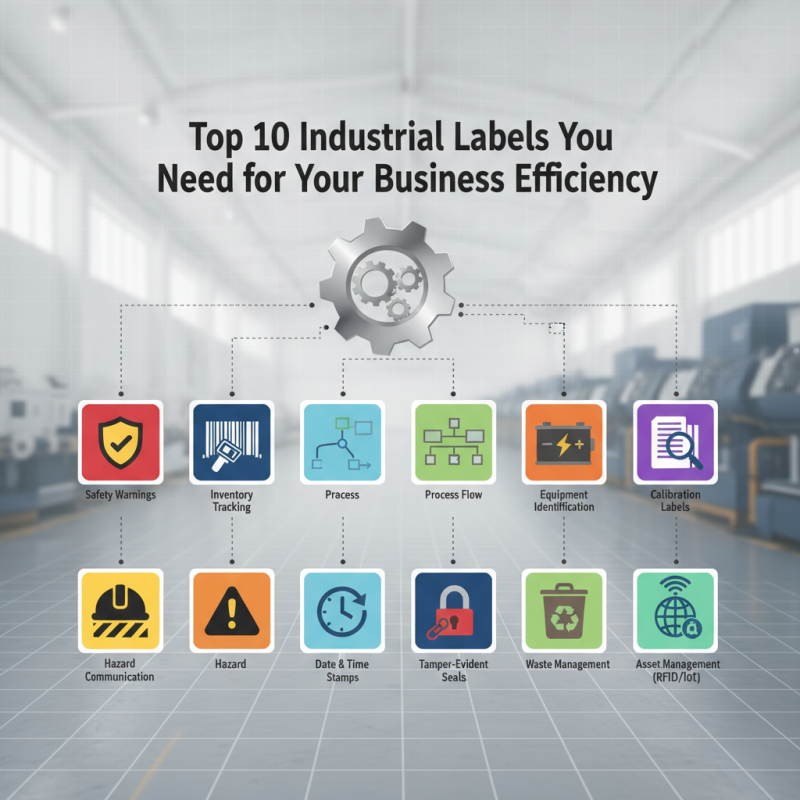
Top 10 Industrial Labels You Need for Your Business Efficiency
In today's fast-paced industrial landscape, efficiency is paramount for success. One often-overlooked aspect that can significantly enhance operational productivity is the effective use of industrial labels. These labels serve as essential tools for organization, safety, and communication within various business environments, ensuring that processes run smoothly and without unnecessary delays. By implementing the right industrial labels, companies can streamline workflows, improve inventory management, and ensure compliance with safety regulations, all of which contribute to overall business efficiency.
As we delve into the top 10 industrial labels you need for your business, it is crucial to understand how these labeling solutions can be tailored to meet specific operational needs. From color-coded safety warnings to inventory tracking systems, the proper application of industrial labels not only aids in immediate identification but also fosters a culture of accountability and awareness among employees. This introduction sets the stage for exploring how choosing the right labels can transform an organization’s operational framework, making it a vital aspect of modern industrial practices.
Essential Industrial Labels for Inventory Management Efficiency
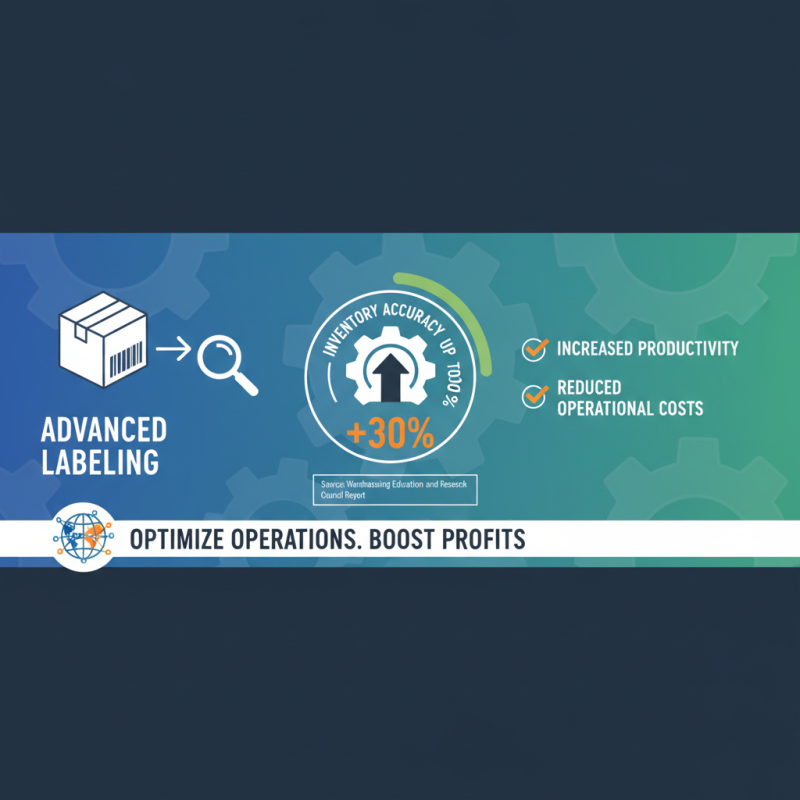
In the fast-paced world of industrial operations, inventory management plays a critical role in ensuring business efficiency. Proper labeling is not just a cosmetic addition; it is essential for tracking, organizing, and managing inventory effectively. According to a report by the Warehousing Education and Research Council, organizations using advanced labeling systems can improve their inventory accuracy by up to 30%. This enhanced precision directly correlates with increased productivity and reduced operational costs.
Implementing essential industrial labels such as barcodes, QR codes, and custom tags can significantly streamline inventory processes. Barcodes allow for quick scanning, while QR codes provide access to detailed product information with a simple smartphone scan. Custom tags can include specifications, expiration dates, or safety instructions, facilitating better inventory control. The ability to swiftly locate items can diminish downtime in operations, resulting in smoother workflows and enhanced service delivery.
Tips: When designing your labeling system, consider incorporating color coding to quickly identify different categories of inventory. Additionally, ensure labels are durable enough to withstand environmental factors like temperature fluctuations or moisture. Regularly review and update your labeling practices to align with industry standards and technological advancements, ensuring ongoing efficiency in your inventory management.
Safety Labels: Ensuring Workplace Compliance and Hazard Awareness
Safety labels play a crucial role in maintaining workplace compliance and enhancing hazard awareness across various industries. By clearly communicating potential risks, safety labels allow employees to identify and understand dangers in their environment, ensuring they can take appropriate precautions. From chemical handling to equipment operation, well-designed labels provide essential information that supports safe work practices and minimizes the likelihood of accidents.
Moreover, compliance with safety regulations is not only a legal requirement but also a moral responsibility for businesses. Implementing effective safety labeling systems helps organizations meet these regulations while fostering a culture of safety among employees. When workers are informed about hazards and safety measures, they are more likely to adhere to protocols, ultimately improving overall business efficiency. Proper labeling not only protects employees but also enhances productivity by reducing downtime associated with workplace incidents.
Top 10 Industrial Labels You Need for Your Business Efficiency
| Label Type |
Purpose |
Compliance Standards |
Design Features |
Durability |
| Hazardous Materials |
Identify dangerous substances |
OSHA, GHS |
Bold colors, symbols |
Chemical resistant |
| Warning Signs |
Alert to potential hazards |
ANSI, ISO |
High visibility |
Weatherproof |
| Emergency Exit |
Guide in emergencies |
OSHA |
Illuminated options |
Fade resistant |
| Personal Protective Equipment |
Indicate required PPE |
ANSI |
Clear graphics |
Scratch resistant |
| Machine Safety |
Prevent machine accidents |
ISO, ANSI |
Warning icons |
Oil resistant |
| Fire Safety |
Fire hazard alerts |
NFPA |
Bright colors |
Fire resistant |
| Slippery Surfaces |
Warn of slip risks |
OSHA |
Textured finish |
Waterproof |
| Lockout/Tagout |
Energy control procedures |
OSHA |
Durable materials |
Long-lasting |
| First Aid |
Indicate first aid stations |
ANSI |
Universal symbols |
UV resistant |
| Environmental Hazards |
Alert to ecological risks |
EPA |
Earth tone colors |
Weatherproof |
Shipping and Handling Labels: Streamlining Logistics Operations
Shipping and handling labels are essential for businesses looking to streamline their logistics operations. These labels not only simplify the shipment process but also enhance overall efficiency by ensuring that packages are properly identified and tracked throughout their journey. Clear labeling minimizes the chances of misdelivery and reduces the time spent on handling errors, leading to a more organized supply chain.
Tips for effective shipping labels include ensuring that the information is legible and correctly formatted. Use a standardized label size that fits your packaging, and consider including barcodes or QR codes to facilitate easy scanning and tracking. Additionally, it’s beneficial to incorporate color-coded labels to quickly identify different shipping methods or urgency levels, ensuring that your team can prioritize tasks appropriately.
Another important aspect is to maintain a consistent labeling system across all departments. This uniformity helps in reducing confusion and enhancing communication among team members. Regular audits of your labeling processes will also aid in identifying areas for improvement, allowing you to adapt and refine your approach continuously. By investing time in establishing a robust shipping and handling label system, businesses can greatly improve their logistics operations and enhance overall efficiency.
Custom Labels: Tailoring Solutions for Specific Industry Needs
In today’s fast-paced industrial environment, the need for customized labels has never been more critical. Tailoring solutions for specific industry requirements means that businesses can enhance operational efficiency and maintain accuracy in their processes. Custom labels serve various functions, from identifying hazardous materials to ensuring proper inventory management. By adapting labels to the unique needs of different sectors, companies can streamline workflows, reduce errors, and ultimately save time and resources.
Custom labeling also allows for the integration of essential information that pertains to specific regulations and standards within each industry. For instance, manufacturing industries may require labels that not only describe the product but also illustrate compliance with safety standards. Similarly, in the food and beverage industry, labels must include detailed nutritional information while adhering to legal requirements.
By investing in customized labels, businesses are not only improving their internal processes but also enhancing customer trust through transparency and reliability. This strategic approach towards labeling can significantly contribute to overall business success, creating tailored solutions that meet the individual needs of each sector.
Eco-Friendly Labels: Supporting Sustainable Business Practices
In today’s environmentally conscious market, adopting eco-friendly labels can significantly enhance a business’s commitment to sustainability. A report by Smithers Pira estimates that the global market for sustainable labels is projected to reach $63 billion by 2024, highlighting the increasing consumer demand for environmentally responsible products. By integrating eco-friendly labels, businesses not only comply with regulatory standards but also attract eco-aware customers, fostering brand loyalty while contributing to a healthier planet.
Tips for selecting eco-friendly labels include looking for materials that are either recyclable or compostable. Labels made from materials like recycled paper or bioplastics can minimize waste in landfills and reduce the carbon footprint of your packaging. Additionally, consider using water-based inks that are less harmful to the environment compared to traditional solvent-based options. By making these choices, companies can demonstrate their commitment to sustainable practices, which is crucial as consumers increasingly favor brands that prioritize ecological considerations.
Furthermore, switching to eco-friendly labels can improve your operational efficiency. According to a study by the Sustainable Packaging Coalition, companies that implement sustainable practices often experience lower costs in waste disposal and packaging materials. This transition can lead to enhanced brand reputation and potential savings, truly amplifying business efficiency while positively impacting the environment. Embracing sustainability through labeling strategies builds a strong foundation for both profitability and ecological stewardship.