Top Lotion Pump Designs Buyers Should Know?
In the cosmetic and personal care industry, Lotion Pumps play a crucial role in product delivery. According to a recent market analysis, the global lotion pump market is projected to reach $2.5 billion by 2027, driven by growing demand for convenient and effective packaging solutions. Lotion Pumps not only enhance user experience but also contribute to product preservation, reducing waste and ensuring consumers receive the right amount of product.
Various design options exist, each catering to different consumer needs and product types. Some lotion pumps offer adjustable dosing capabilities, while others focus on ease of use, particularly for individuals with limited mobility. Despite the innovations, challenges remain. Manufacturers must address issues such as compatibility with various formulations, and the risk of product leakage if pumps are not properly designed.
With more brands entering the market, understanding which Lotion Pump designs stand out is essential for buyers. Insight into trends and technological advancements can guide purchasing decisions, ensuring quality and functionality. Amid these developments, consumers increasingly prioritize sustainability, pushing brands to consider eco-friendly materials in their lotion pump designs.
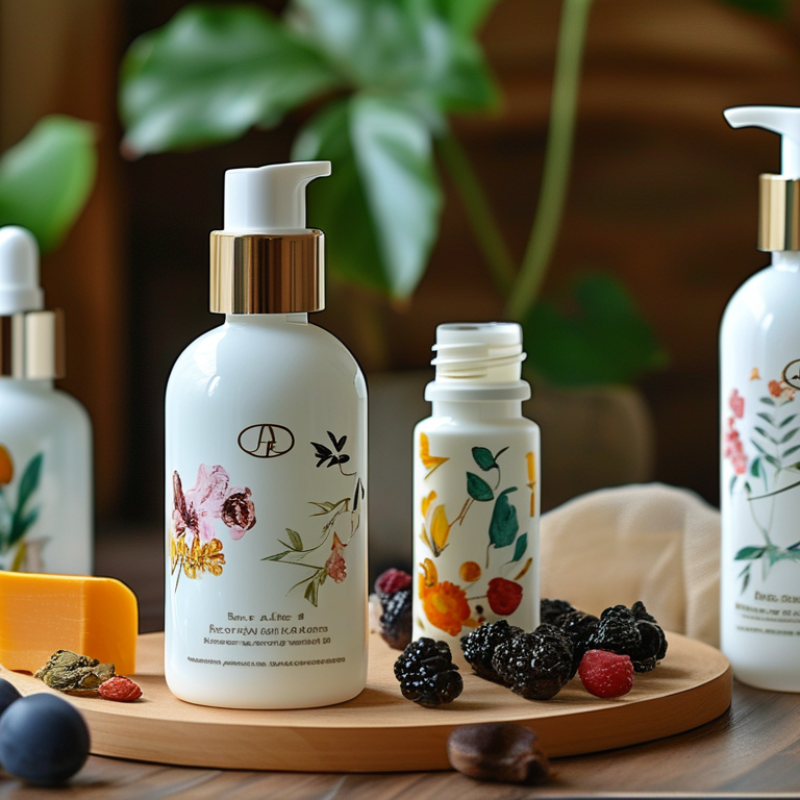
Understanding Lotion Pump Mechanisms and Functionality
Lotion pumps are essential for dispensing various liquid products. Understanding how these mechanisms work is crucial for buyers. The pump mechanism typically comprises a piston and a spring. When you press down the pump head, the piston moves downward, forcing the liquid upward through a straw attached to the bottom.
Different designs can influence functionality. Some pumps have adjustable dosages, allowing users to control how much product is dispensed. Others feature locking mechanisms to prevent accidental discharge. However, not all designs ensure a reliable seal, leading to potential leaks.
Material quality also plays a vital role in functionality. Plastic pumps may warp over time, while metal ones can corrode. Buyers should inspect these details before making a choice. Testing the ease of use is essential. A poorly designed mechanism can frustrate users, leaving them dissatisfied with their purchase. While many designs are functional, some require refinement to improve user experience.
Common Types of Lotion Pumps: A Detailed Overview
Lotion pumps are essential in the packaging of cosmetic products. They offer convenience and precision in dispensing various lotions and creams. Understanding the common types can help buyers make informed choices. The lotion pump market is projected to grow at a CAGR of over 5% from 2022 to 2027, highlighting the importance of selecting the right design.
There are several common types of lotion pumps to consider. For instance, the standard pump is versatile and widely used across different industries. Meanwhile, the airless pump design prevents contamination, maintaining the product's integrity. Research shows that 30% of consumers prefer airless pumps due to their hygienic benefits. However, these pumps can be more complex and may require greater manufacturing expertise.
Trigger pumps represent another popular option, especially for larger dispensing needs. This design allows for easy handling and is favored in commercial settings. Despite their advantages, they often take up more packaging space. Buyers should weigh these factors when selecting the right pump. For many, the balance between usability and design intricacies remains a reflective decision-making process.
Factors to Consider When Choosing a Lotion Pump Design
When selecting a lotion pump design, several factors play a crucial role. Understanding the specific needs of your product is paramount. Consider the viscosity of the lotion. Thicker creams require pumps designed for heavy flow, while thinner lotions can use standard pumps. Compatibility with the lotion is another factor. Ensure the materials used won't affect the product.
The user experience should not be overlooked. Is the pump easy to use? A user-friendly design will result in higher customer satisfaction. The pump must dispense the right amount in one push. This feature minimizes wastage and makes the product more appealing. Look for designs that provide a secure closure to prevent leaks.
Aesthetics can influence a buyer's choice as well. How does the pump look alongside the product's packaging? The design should enhance overall visual appeal. However, functionality should always come first. The best pump designs often blend beauty with practicality, creating a seamless user experience. Balancing these elements requires careful consideration, but the right approach leads to better product success.
Top Lotion Pump Designs Buyers Should Know? - Factors to Consider When Choosing a Lotion Pump Design
| Design Type | Material | Pump Mechanism | Capacity | Usability |
| Classic Lotion Pump | Plastic | Standard Push | 300 ml | Easy to Use |
| Luxury Pump | Glass | Airless | 200 ml | Premium Experience |
| Foaming Pump | Plastic | Foam Dispensing | 150 ml | Efficient for Liquid Soap |
| Trigger Pump | Plastic | Trigger Mechanism | 500 ml | Suitable for Lotions and Sprays |
| Slimline Pump | Metal | Push Mechanism | 250 ml | Compact Design |
Innovative Features in Modern Lotion Pump Designs
Modern lotion pump designs are evolving rapidly, integrating innovative features that enhance user experience. One notable trend is the incorporation of ergonomic shapes. These designs fit comfortably in hand, allowing for easy dispensing. Users appreciate pumps that minimize effort, especially for larger bottles. Pump height and width adjustments are also becoming common. Different users can find a setting that caters to their unique preferences.
Another significant feature is the use of airless pump technology. This innovation helps maintain product integrity by preventing air exposure. Products dispensed this way often last longer and stay fresher. Many consumers have noticed the difference in quality. Furthermore, various nozzle designs provide versatility. Some are adjustable for controlled dispensing, while others are designed for specific liquids. This level of customization is increasingly appealing.
Despite these advancements, challenges remain. Not all designs suit every liquid type. Some pumps may clog or fail with thicker formulations. Finding the right pump often involves trial and error. Users may encounter frustration when a pump doesn’t work as expected. Understanding these limitations can help buyers make better decisions.
Sustainable Materials and Eco-Friendly Lotion Pump Options
The demand for sustainable materials in packaging has surged in recent years. A report from Smithers shows that the global green packaging market is projected to reach $600 billion by 2027. This trend extends to lotion pumps, with buyers increasingly seeking eco-friendly options. Traditional plastic pumps often end up in landfills, contributing to environmental issues. In contrast, pumps made from biodegradable or recycled materials offer a responsible alternative.
Currently, many manufacturers are exploring plant-based plastics and post-consumer recycled (PCR) materials for lotion pumps. These options reduce reliance on virgin plastic and minimize the carbon footprint. For instance, using PCR materials can reduce greenhouse gas emissions by up to 50%, according to data from the Environmental Protection Agency. There’s also a growing interest in designs that allow for easy disassembly. Such designs make recycling more efficient, promoting a circular economy.
However, not all sustainable options are perfect. Consumers sometimes question the durability of bio-based materials. Some users may feel that these alternatives are less reliable compared to traditional options. As the industry evolves, addressing these concerns will be crucial. Balancing sustainability with functionality remains a challenge. The focus on eco-friendly lotion pumps will likely intensify as awareness of environmental impact increases.