10 Best Medium Voltage Drive Suppliers for Global Buyers
Choosing a reliable medium voltage drive supplier can influence plant uptime, energy costs, and maintenance planning. For global buyers, the decision involves more than comparing product brochures. Voltage range, motor compatibility, cooling design, enclosure protection, service coverage, and spare-parts availability all deserve careful review.
This guide introduces ten established suppliers serving industries such as water treatment, mining, cement, metals, oil and gas, and power generation. Their solutions may support demanding applications, including large pumps, conveyors, fans, compressors, and mills. We consider engineering capabilities, documented performance, regional support, commissioning experience, and long-term customer service. Factory certifications and published specifications matter, but they should not replace direct technical verification.
Real projects are rarely perfect. Delivery schedules can change, and local expertise may vary widely. A supplier with strong global branding may still provide limited field support in a specific country. Buyers should request reference projects, test reports, warranty terms, training options, and lifecycle cost estimates. Ask difficult questions early. It saves trouble later.
The companies featured here represent different strengths, market positions, and service models. Some focus on advanced control systems and energy optimization. Others stand out through rugged designs, customization, or extensive distributor networks. The best choice depends on motor size, operating environment, integration requirements, and risk tolerance. This ranking is a practical starting point, not a substitute for engineering due diligence. Every facility has its own constraints. That is where careful comparison becomes valuable.
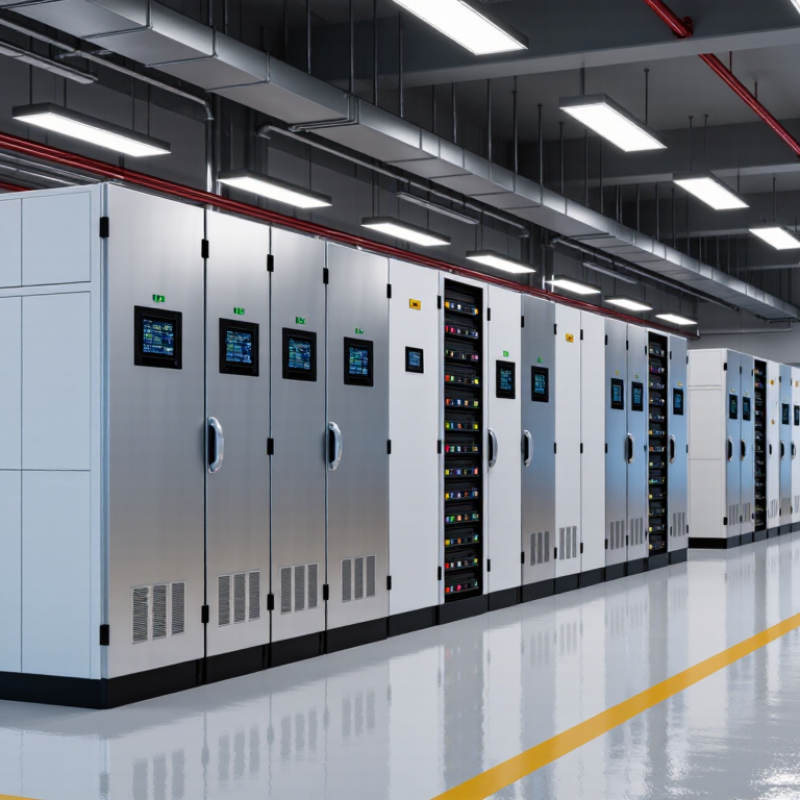
Medium Voltage Drives: Definition, Applications, and Core Technologies
Medium voltage drives regulate motor speed and torque in systems commonly operating above 1 kV. Their power conversion stages adjust incoming AC power for controlled motor output. This reduces throttling losses in large pumps, fans, compressors, conveyors, and mills. The U.S. Department of Energy reports that motor-driven equipment uses more than 70% of industrial electricity. Even modest speed reductions can therefore produce measurable savings. A pump running at half speed may need only a fraction of its full-speed power, although real results depend on system resistance and operating conditions.
Core technologies include voltage-source inverters, current-source inverters, multilevel converters, and harmonic mitigation systems. Multilevel designs create smoother waveforms and reduce motor insulation stress. Input filters help limit distortion, while isolation transformers support safer integration with plant networks. IEC 61800 provides important requirements for adjustable-speed electrical power drive systems. Buyers should examine starting current, regenerative behavior, cooling methods, bypass arrangements, and maintenance access. Field experience also shows that cable length and grounding can affect bearing currents and electromagnetic interference. A drive may look efficient on paper. Site conditions can disagree. The International Energy Agency has estimated that electric motor systems consume roughly 53% of global electricity, making correct sizing more valuable than choosing the largest enclosure. Load profiles, ambient temperature, fault levels, and spare-part availability deserve equal attention. Mistakes remain possible, especially when engineers rely only on nameplate efficiency.
Evaluation Criteria for Selecting Global Medium Voltage Drive Suppliers
Selecting among the 10 best medium voltage drive suppliers requires evidence beyond catalog ratings. Global buyers should examine voltage range, motor compatibility, overload capacity, cooling design, and service access. A drive rated for 6.6 kV may still fail a dusty plant trial.
Energy efficiency deserves serious attention. The International Energy Agency estimates that electric motor systems consume about 46% of global electricity. Small efficiency gains can therefore reduce substantial operating costs. Request tested efficiency curves at realistic loads, not only peak performance. Ask for harmonic data under partial-load conditions.
Compliance should follow recognized technical frameworks. IEC 61800-3 addresses electromagnetic compatibility, while IEC 61800-5-2 supports functional safety evaluation. IEEE 519 provides useful guidance for harmonic control at the point of common coupling. Supplier audits should verify test certificates, factory inspection records, spare-parts lead times, and commissioning procedures. The U.S. Department of Energy also emphasizes system-level motor efficiency, including controls, transmission, and maintenance.
Service capability often separates a dependable supplier from a persuasive one. Check local engineers, remote diagnostics, training, and emergency response coverage. Ask for references from similar mining, water, cement, or petrochemical installations. A polished proposal is not proof. Field data may be incomplete, and supplier claims deserve independent verification. Some buyers overvalue purchase price and underestimate downtime, which is an expensive mistake. A weighted scorecard helps, but its assumptions should be reviewed by operations, maintenance, and electrical safety teams.
Profiles of the Top 10 Medium Voltage Drive Suppliers
The ten leading medium voltage drive suppliers serve different industrial priorities. Supplier One focuses on mining conveyors, with reinforced enclosures and dust-resistant cooling systems. Supplier Two designs drives for water facilities, emphasizing soft starting and stable pump control. Supplier Three supports cement plants, where heavy loads demand strong overload capacity and practical bypass options. Supplier Four targets oil and gas processing, offering arc-resistant cabinets and detailed commissioning support.
Supplier Five specializes in steel production. Its engineering teams often study torque changes during rolling cycles. Supplier Six develops drives for marine applications, where compact cabinets and vibration resistance matter. Supplier Seven serves power generation sites and pays close attention to grid harmonics. Supplier Eight provides modular systems for large factories, making maintenance easier when production cannot stop.
Supplier Nine works with renewable energy projects and adapts drive packages for variable operating conditions. Supplier Ten concentrates on transportation infrastructure, including tunnels and high-capacity ventilation systems. Field experience suggests that documentation quality can matter as much as rated power. A technically strong supplier may still frustrate operators with unclear wiring diagrams or slow spare-parts support. Buyers should compare cooling methods, harmonic mitigation, protection ratings, startup assistance, and local service coverage. Ask for realistic lifecycle costs, not only the purchase price. Some suppliers present impressive efficiency figures, but site conditions can reduce them. That gap deserves careful review.
Comparison of Product Range, Performance, Service, and Regional Reach
10 Best Medium Voltage Drive Suppliers for Global Buyers
When comparing medium voltage drive suppliers, product range is a practical starting point. Strong suppliers offer air-cooled and liquid-cooled systems, usually from 2.3 kV to 13.8 kV. Check motor compatibility, regenerative options, harmonic control, and enclosure ratings. A drive for a cement mill faces harsher dust than one serving a clean water plant. Product brochures rarely show that difference clearly.
Performance should be judged through operating evidence, not only laboratory figures. Review efficiency at partial load, overload capacity, fault response, and cooling performance. Ask for tested references in pumps, fans, compressors, or conveyors. A stable drive should reduce trips during voltage changes and heavy starts. Yet published efficiency can hide losses from filters, transformers, and cooling equipment. That detail deserves careful questioning.
Service quality often decides long-term value. Compare commissioning support, spare-part locations, remote diagnostics, and technician response times. Regional reach matters when a plant operates across several countries. Local language support and compatible grid practices can prevent expensive delays. Examine warranty terms, training depth, and software access before purchasing. Some suppliers promise global coverage but depend heavily on third parties. That is not always a weakness, but buyers should verify who arrives onsite at 2 a.m. Availability matters.
10 Best Medium Voltage Drive Suppliers for Global Buyers
Comparison of product range, performance, service capability, and regional reach
The chart uses a normalized 1–10 comparative index across four common buying criteria. Product range reflects voltage classes, power ratings, and application coverage; performance considers efficiency, control capability, and reliability; service covers commissioning, maintenance, and support infrastructure; regional reach reflects availability of local offices, partners, and service coverage. Supplier labels are anonymized for neutral comparison.
Procurement Factors for International Medium Voltage Drive Buyers
For global buyers comparing the 10 best medium voltage drive suppliers, technical fit should guide the shortlist. Confirm motor voltage, rated current, overload capacity, starting torque, and speed range. A drive sized only by motor horsepower may fail under high-inertia loads. It happens more often than expected.
Check compatibility with local grid conditions, transformer impedance, harmonic limits, and fault levels. Ask for measured input current distortion, not only catalogue estimates. Regenerative braking, bypass arrangements, cooling design, and enclosure ratings also affect project reliability. Dusty cement plants and humid coastal terminals need different protection details.
Supplier evaluation should include factory testing, commissioning support, spare-parts access, and documented service response times. Request witnessed FAT records and references from comparable pumps, fans, compressors, or conveyors. Verify compliance with applicable IEC standards and local electrical requirements through current certificates. A low purchase price can hide expensive harmonic filters, specialist technicians, or long delivery delays. Compare total ownership cost over ten years, including power losses and planned maintenance.
Communication quality matters. Technical drawings should show cable entries, clearances, lifting points, and heat rejection requirements. Ask how firmware changes, remote diagnostics, and cybersecurity updates are controlled. Some proposals look complete but leave integration responsibilities unclear. That gap deserves written clarification before contract award, even when it slows the purchase. Suppliers should also explain warranty limits, operator training, and what happens when site conditions differ from the original data. Procurement teams should record these assumptions carefully; memory is not a reliable specification.