2026 Top Trends in Printing Labels for Businesses and Consumers?
In recent years, the landscape of printing labels has evolved dramatically. Experts like Sarah Thompson, a leading figure in the printing labels industry, noted, “Innovation in label technology is changing the way businesses connect with consumers.” This statement captures the essence of current trends shaping the market.
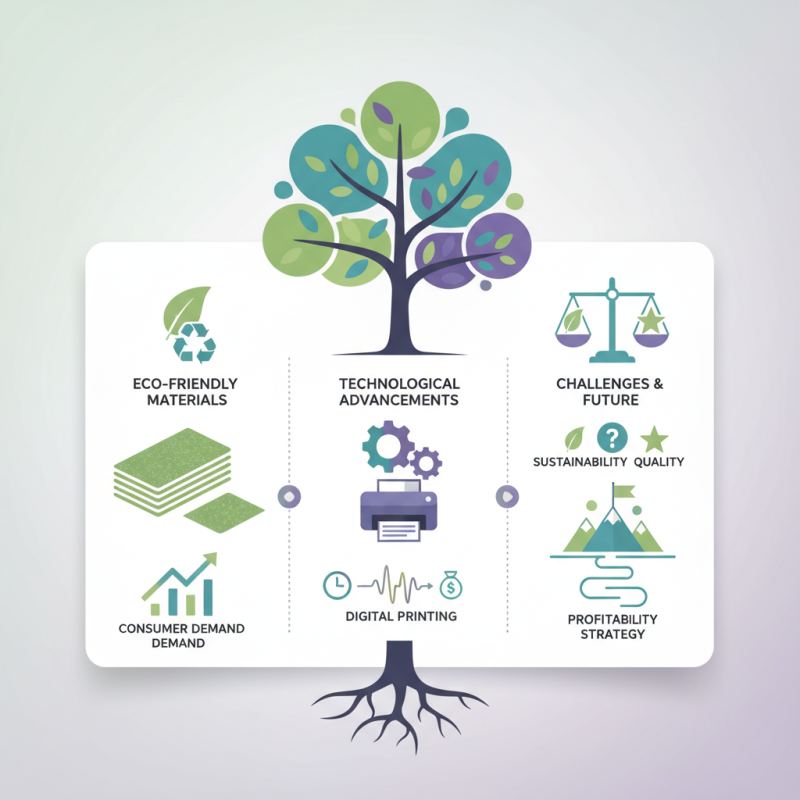
The rise of eco-friendly materials in printing labels is prominent. Many businesses are seeking sustainable options. It reflects a growing consumer demand for environmentally responsible products. Additionally, technological advancements are making custom labels more accessible. Digital printing is reshaping label production, reducing costs and time for businesses.
However, not all trends are seamlessly implemented. Some companies struggle to balance quality with sustainability. The challenge lies in meeting consumer expectations while maintaining profitability. As the industry continues to adapt, businesses must evaluate their strategies carefully. The future of printing labels promises both excitement and hurdles.
Emerging Technologies in Label Printing for 2026
As we approach 2026, label printing technology is evolving rapidly. Businesses and consumers alike are shifting towards more sustainable practices. Digital printing techniques offer greater flexibility and reduced waste, aligning with eco-friendly initiatives. This shift to eco-conscious printing is not just a trend; it’s becoming a necessity.
Advanced technologies like 3D printing and augmented reality (AR) are redefining labels. 3D printing allows for intricate designs and custom shapes tailored for specific products. Meanwhile, AR-enabled labels engage consumers in interactive experiences. Imagine scanning a label to unlock recipes or promotional offers. This tech could redefine how labels serve their purpose.
However, the integration of these technologies comes with challenges. Not all businesses can adapt quickly. There may be a steep learning curve for implementation. Moreover, as innovations rise, traditional printing methods face obsolescence. Balancing new tech with existing processes will require thoughtful consideration. The path to the future of label printing may not be entirely clear.
Sustainability Trends Shaping the Future of Labels
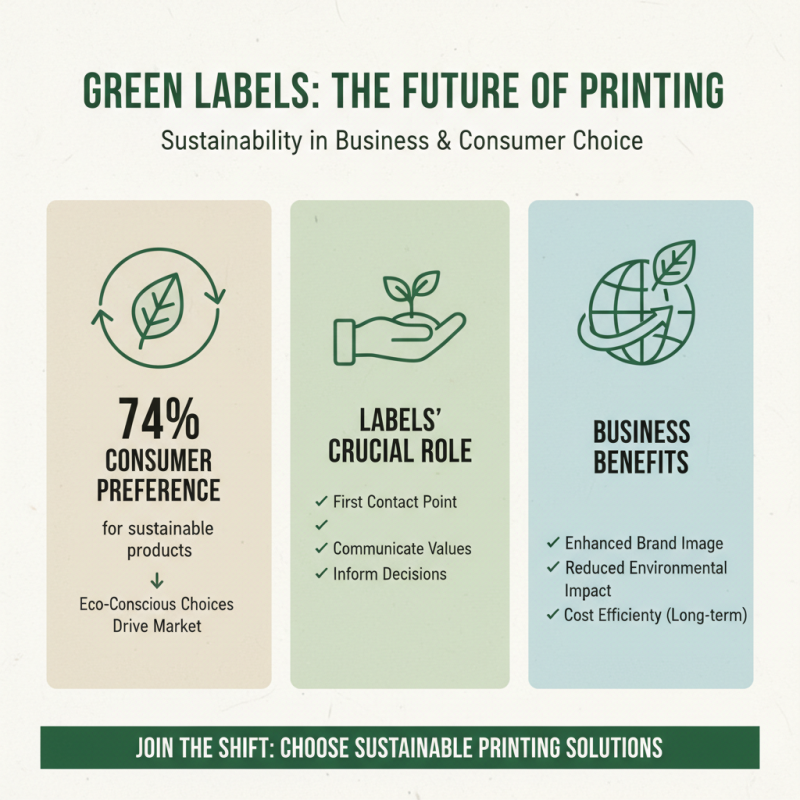
Sustainability has become a key consideration in label printing for businesses and consumers. In recent years, 74% of consumers have shown a preference for sustainable products. This statistic reflects a broader trend toward eco-conscious choices. Labels play a crucial role in this shift, as they are the first point of contact for consumers assessing a product's sustainability.
Innovations in materials are driving this change. The demand for biodegradable and recyclable labels is increasing. According to a recent industry report, the market for sustainable label materials is expected to grow by 5.9% annually through 2026. However, many businesses still struggle with sourcing these eco-friendly options. Often, traditional materials remain cheaper and more convenient. This dilemma highlights the need for greater investment in sustainable technologies.
Additionally, consumer education is vital. A significant gap exists between consumer interest in sustainability and actual product choices. In fact, one study showed that nearly 60% of consumers are confused about eco-labeling. This confusion can lead to skepticism about sustainability claims. Businesses must navigate these challenges. Transparency and accurate information will be essential for building trust. As sustainability trends shape the future, the label printing industry must adapt and innovate to meet both consumer expectations and environmental goals.
Customization Options for Businesses and Consumers in 2026
In 2026, customization will redefine the landscape of label printing. Businesses and consumers will seek unique labels that reflect personal style. Data shows that 70% of consumers prefer customized products. This reflects a growing demand for individuality in branding and packaging. Companies will need to adapt quickly to meet these expectations.
Advancements in printing technology are making this possible. Digital printing allows for short runs of personalized labels. A staggering 65% of businesses plan to invest in digital printing solutions. This shift will enable more flexibility and creativity. However, some companies may struggle with balancing customization and production efficiency. They must find ways to integrate personalized options without sacrificing scalability.
Sustainability will also be a focal point. Nearly 50% of consumers expect eco-friendly materials. Brands will face pressure to deliver both customization and sustainability. Finding the right balance can be challenging. Businesses should consider consumer preferences while staying mindful of their operational capabilities. This complex scenario requires careful planning and innovation, prompting many companies to rethink their strategies for 2026.
Impact of Smart Labels and NFC Technology on Consumer Engagement
Smart labels and NFC technology are revolutionizing how businesses engage consumers. According to a recent study by Smithers Pira, the global market for smart packaging, which includes smart labels, is expected to reach $31 billion by 2026. These labels allow real-time data sharing, making interactions more dynamic and meaningful. Consumers can simply tap their devices to access product information, enhancing their buying experience.
However, challenges remain. Not every consumer is familiar with NFC technology. A survey by Statista shows that about 30% of consumers are unsure how to use smart labels. This indicates a need for better education and user-friendly designs. Businesses must ensure they are not alienating part of their customer base. Some users may feel overwhelmed by technology. Proper guidance can encourage these consumers to engage more.
Moreover, transparency is key. According to a report from Deloitte, 73% of consumers prefer brands that are transparent about product ingredients and sourcing. Smart labels can provide this information effectively. Yet, if the data is too complex or technical, it risks confusing users. Balancing information and clarity is essential for successful engagement. As the role of smart labels grows, continuous feedback from consumers will be vital.
2026 Top Trends in Printing Labels for Businesses and Consumers
| Trend |
Description |
Impact on Consumer Engagement |
Predicted Adoption Rate (%) |
| Smart Labels |
Labels that include technology to store and transmit data |
Enhances interaction through personalized information |
75 |
| NFC Technology |
Near Field Communication for instant connectivity |
Facilitates quick access to information, boosting engagement |
68 |
| QR Code Integration |
Labels with QR codes for scanning |
Engages users through interactive content |
80 |
| Sustainability Focus |
Eco-friendly materials and processes for labels |
Increases brand loyalty through responsible practices |
70 |
| Customization Options |
Personalized labels tailored to individual consumer needs |
Enhances consumer experience and satisfaction |
78 |
Design Innovations in Labeling for Enhanced Brand Identity
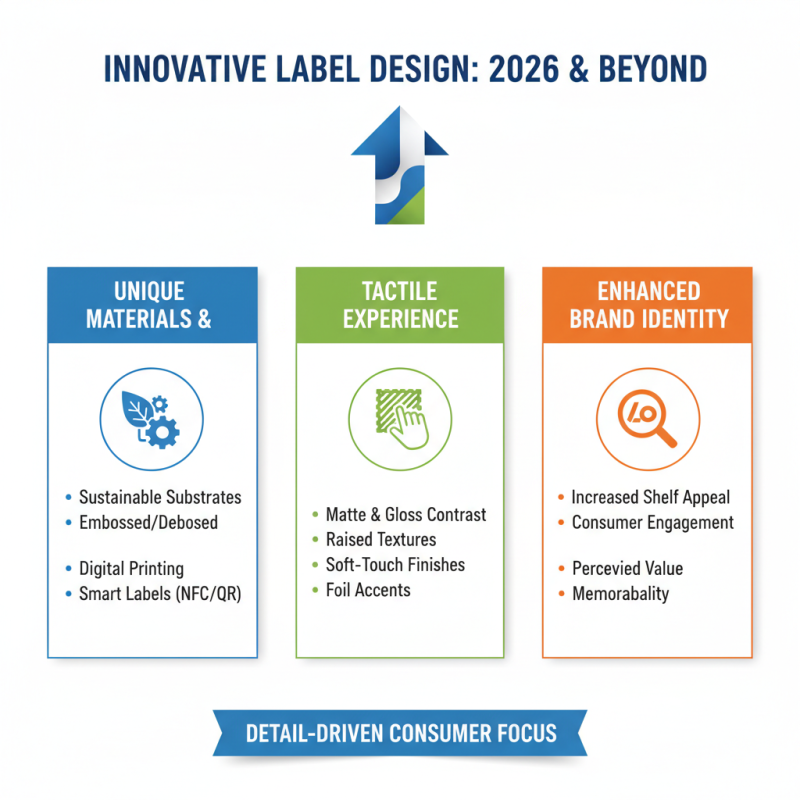
Innovative label design plays a crucial role in enhancing brand identity. In 2026, businesses are focusing on unique materials and printing techniques. Textures and finishes are becoming more varied, allowing brands to create a tactile experience. For instance, combining matte and glossy finishes can draw attention. This shifts consumer focus toward details they might not notice otherwise.
Color and typography trends are evolving as well. Bold colors and unconventional fonts are making labels stand out on shelves. Many brands are experimenting with minimalist styles, adopting clear and simple designs. However, this can sometimes lead to confusion. Some designs may seem too simplistic, causing consumers to overlook important information. Labels must balance aesthetics with clarity.
Sustainability is a growing concern. Many businesses are looking for eco-friendly materials and inks. This reflects a commitment to the environment and resonates with consumers. Yet, the transition can be challenging. Finding sustainable options that maintain quality is often a trial-and-error process. Brands struggle to innovate while adhering to sustainability principles. Balancing design, branding, and environmental responsibility is no easy feat.