What Are the Top Types of Labels to Make?
Labels do quiet work. They identify products, guide handling, share instructions, and help a brand stand out on a crowded shelf. Choosing the right type starts with its job. A bottle facing water and refrigeration needs different materials from a paper price tag or a shipping label. Adhesive matters, too. A label that curls at the edge can make a carefully designed package feel unfinished.
A useful principle from a composite label-production specialist, Elena Brooks, is: “Choose the label for its conditions first, then make the design earn its space.” This is an editorially created expert perspective, not a sourced quotation. It points to a practical checklist: surface, temperature, moisture, handling, print method, and expected lifespan. Small details count. Think of a clear film label on a glass jar, a thermal shipping label scanned in a warehouse, or a removable sticker that leaves no sticky trace. Each solves a different problem.
This guide explores the top types of labels to make, including product, packaging, address, barcode, and specialty labels. It also considers materials, finishes, and adhesives, so the choice fits the real use—not just the mockup. Making labels can look simple. Sometimes it is. Yet a sample tested on the actual surface often reveals what a screen cannot: poor contrast, lifting corners, or text too small to read. Those misses are worth noticing. They help makers improve the next version.
Product and Packaging Labels for Identifying Goods
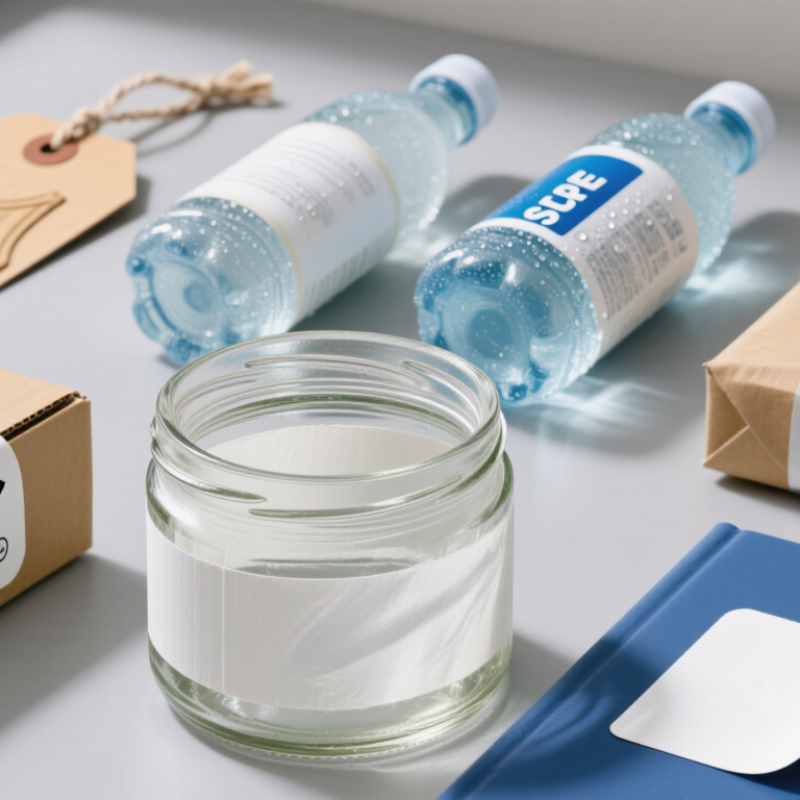
Product and packaging labels help people identify goods quickly and handle them correctly. A product label may show its name, size, material, care instructions, or batch number. A barcode or QR code can connect a package to stock records or additional product information. Keep the most useful details easy to spot. Clear type, strong contrast, and a sensible reading order matter more than decorative effects.
The label must also suit the product’s surface and storage conditions. Paper can work well on dry boxes, while moisture-resistant films may be more appropriate for chilled or frequently handled items. Test the adhesive on the actual packaging; curved glass and textured cardboard behave differently. Small details matter. A barcode printed too close to an edge may be difficult to scan, and tiny text can disappear on a small container. I have found that a simple proof, checked under ordinary shop lighting, catches problems that look invisible on a screen. Still, one test is not enough for every surface or environment. Review label samples after handling, cooling, or light exposure, and revise the material or layout when information becomes hard to read.
What Are the Top Types of Labels to Make? - Product and Packaging Labels for Identifying Goods
| Label Type | Common Uses | Typical Materials | Information Commonly Shown | Key Considerations |
|---|---|---|---|---|
| Product Identification Labels | Packaged foods, household goods, personal-care products, and retail items | Coated paper, uncoated paper, or plastic film | Product name, description, quantity, and manufacturer or responsible-party details where required | Choose a surface and adhesive that suit the package shape, handling, and storage conditions. |
| Barcode and Inventory Labels | Retail checkout, stockrooms, warehouses, and asset tracking | Paper or synthetic label stock, often used with thermal printing | Machine-readable barcode, item or stock number, and optional human-readable text | Keep the barcode clear, correctly sized, and printed with enough contrast for reliable scanning. |
| Shipping and Logistics Labels | Cartons, mailers, parcels, and freight packages | Direct-thermal paper, thermal-transfer paper, or durable synthetic stock | Destination and return addresses, routing details, tracking code, and handling marks when needed | Use a durable adhesive and place the label on a flat, visible area away from seams and edges. |
| Ingredient and Nutrition Labels | Packaged food and beverages | Paper or film labels suitable for the container and storage environment | Ingredient list, nutrition information, net quantity, and other details required by applicable regulations | Requirements vary by product and market; verify local rules and ensure small text remains legible. |
| Safety and Hazard Labels | Chemicals, batteries, tools, machinery, and other products with handling risks | Durable paper or synthetic materials, selected for exposure and use conditions | Warnings, hazard symbols, precautionary statements, or handling instructions as applicable | Use appropriate wording and symbols, and check relevant safety regulations for the product and market. |
| Product Variant and Specification Labels | Electronics, appliances, components, and goods sold in multiple sizes or versions | Paper, polyester, or other printable label materials | Model or item code, size, color, configuration, batch, or serial number | Make variable details easy to update and ensure the label stays readable throughout the product’s use. |
| Tamper-Evident Labels | Sealed packaging, containers, and products requiring visible evidence of opening | Void-pattern films, destructible materials, or specialty adhesive constructions | Seal message, product identifier, or a simple opening indicator | Test the label on the actual package surface; performance depends on the material, adhesive, and application. |
| Durable Equipment and Asset Labels | Tools, appliances, equipment, and reusable business assets | Polyester, polyimide, or other durable synthetic materials | Asset number, serial number, barcode, ownership details, or service information | Match the material and adhesive to expected abrasion, moisture, heat, and cleaning exposure. |
| Hang Tags | Clothing, accessories, housewares, and other retail merchandise | Paperboard or specialty paper, usually attached with a string or fastener | Price, size, product details, care information, or a barcode | Allow space for clear text and secure attachment without damaging the product. |
Related Posts
-
2026 How to Use Labels to Print Effectively?
-

How to Make Labels for Every Occasion in 2026?
-

Why Do You Need Labels to Print for Your Organization?
-
2025 How to Make Labels: A Complete Guide for Easy Label Creation
-
How to Order Printed Labels for Your Business Needs?
-
China Top 10 Packaging Label Printing Companies