Top Trends in US Printing for 2025: What You Need to Know
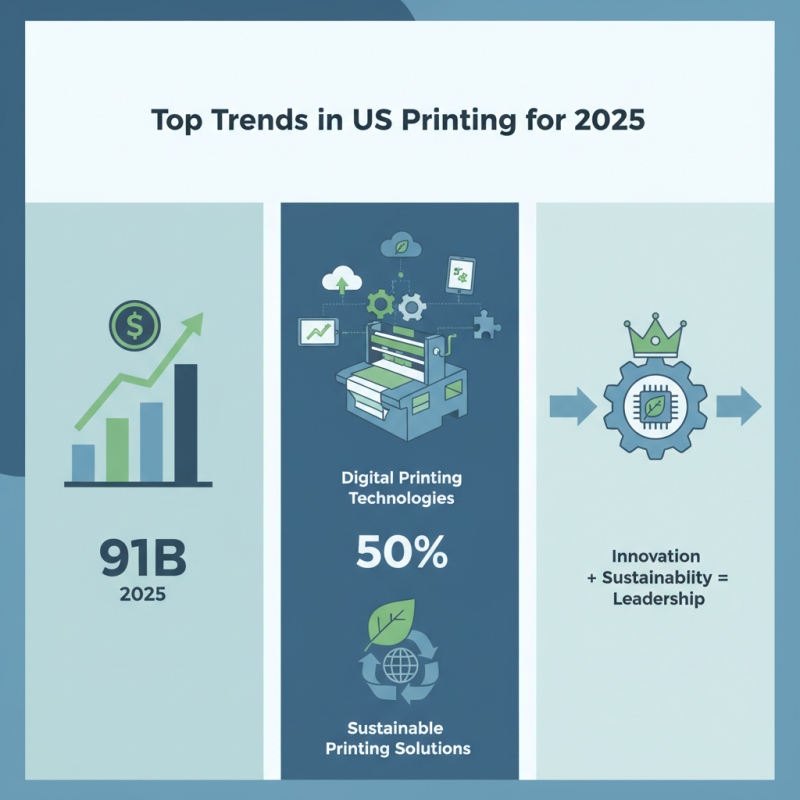
As we look ahead to 2025, the US printing industry is poised to undergo significant transformations driven by technological advancements and shifting consumer demands. According to a report from the Printing Industries of America, the US printing market is expected to reach $91 billion by 2025, indicating robust growth opportunities. Industry experts, such as Dr. Sarah Thompson, a leading analyst in the US printing sector, emphasize the importance of adaptation in this evolving landscape. She notes, "The key to thriving in the US printing industry will be embracing innovation while maintaining a focus on sustainability."
One of the most noteworthy trends is the rise of digital printing technologies, which are projected to account for nearly 50% of the total market share by 2025. This transition not only enhances efficiency but also allows for greater customization and shorter turnaround times, aligning perfectly with the needs of today's consumers. Furthermore, as businesses place greater emphasis on eco-friendly practices, the adoption of sustainable printing solutions becomes a pivotal aspect of operational strategy. The convergence of these trends suggests a dynamic future for US printing, where those who leverage technology and sustainability will emerge as leaders in the market.
Emerging Technologies Shaping the Future of US Printing
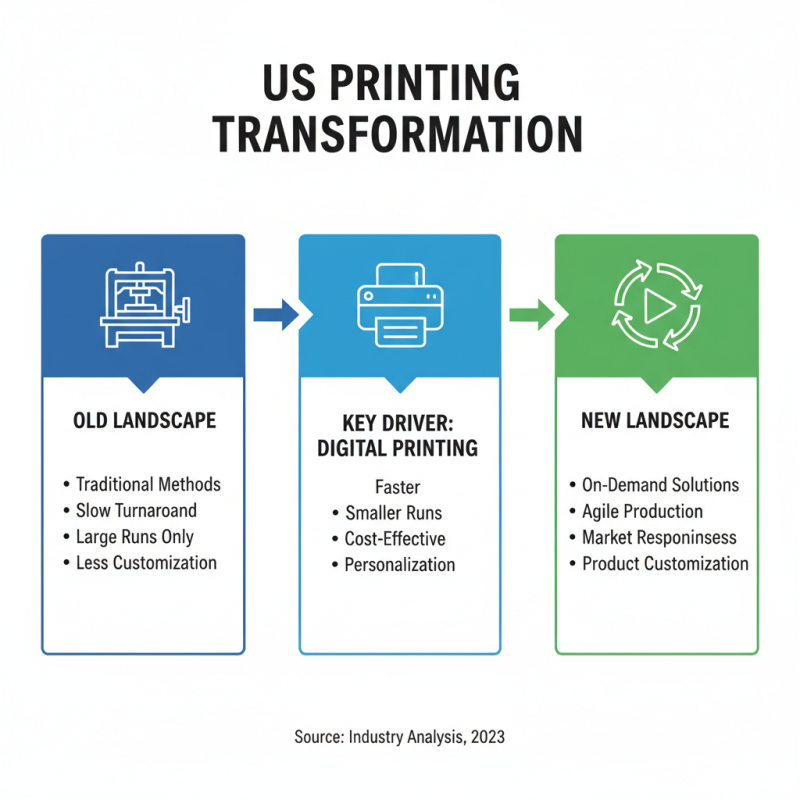
The landscape of printing in the United States is undergoing a significant transformation, driven by emerging technologies that are reshaping how businesses approach print production. One of the most significant trends is the rise of digital printing technologies. Unlike traditional methods, digital printing offers faster turnaround times and the ability to produce smaller print runs efficiently. This is particularly advantageous for businesses looking to personalize their products or respond swiftly to market demands, driving an increase in on-demand printing solutions.
Additionally, advancements in automation and artificial intelligence are paving the way for enhanced workflow efficiencies in the printing process. Automated systems can streamline operations, reducing the need for manual interventions and minimizing errors. AI-driven analytics empower companies to make data-informed decisions regarding print production and inventory management, allowing them to optimize costs and improve overall productivity. These technological innovations not only lower barriers to entry for smaller printing operations but also open new avenues for creativity and customization, making the print industry more agile and responsive to consumer needs.
Sustainability Practices Driving Change in the Printing Industry
As the printing industry evolves, sustainability practices are taking center stage, significantly influencing operational strategies. One of the primary trends is the increasing use of eco-friendly materials and processes. Printers are turning to biodegradable inks and recycled papers that not only minimize environmental impact but also cater to the growing consumer demand for sustainable products. This shift towards responsible sourcing is essential as businesses aim to reduce their carbon footprint while remaining competitive in a market that values environmental integrity.
Moreover, the implementation of energy-efficient technologies is becoming a critical focus. From using solar panels to power printing facilities to investing in machinery that consumes less energy, the push for sustainability is reshaping how printers operate. Companies are also adopting waste reduction strategies, such as optimizing print runs to decrease leftover materials and re-evaluating their supply chains to ensure that every aspect aligns with sustainable principles. This transformation reflects a broader trend where the printing industry is not only adapting to regulatory requirements but is actively participating in the global movement towards a more sustainable future.
Shifts in Consumer Preferences Impacting Printing Services
As the printing industry evolves, consumer preferences play a pivotal role in shaping the services offered by providers. One notable shift is the increasing demand for sustainability. Consumers are becoming more environmentally conscious and seeking printing services that utilize eco-friendly materials and processes. This trend not only influences the choice of inks and papers but also drives advancements in technology, leading to more energy-efficient and waste-reducing practices in print production.
Additionally, personalization is surging in popularity. Customers are looking for unique, tailored products that reflect their individual tastes and needs. This has led to an increased interest in short-run printing and on-demand services. Businesses that can quickly adapt to these preferences by offering customizable options stand to gain a competitive edge. The rise of digital printing technologies facilitates this trend, allowing for quicker turnaround times and more diverse product offerings, which align with the demand for personalized experiences.
Top Trends in US Printing for 2025: What You Need to Know
| Trend |
Description |
Impact on Printing Services |
Consumer Preferences |
| Sustainable Printing |
Increasing demand for eco-friendly materials and processes. |
Need for printers to adopt sustainable practices. |
Preference for environmentally responsible brands. |
| Personalization |
Consumers desire customized products that reflect their identity. |
Increased investment in digital printing technologies. |
Higher demand for personalized printing options. |
| Integration of Technology |
Emerging technologies like AR and VR in printed media. |
Adoption of advanced printing techniques. |
Interest in interactive and engaging print experiences. |
| Short-Run Printing |
Demand for small quantities to reduce waste and inventory costs. |
Need for quick turnaround and on-demand printing services. |
Trend towards smaller orders and niche marketing. |
| E-commerce Printing Solutions |
Rise in online shopping requiring packaging and promotional materials. |
Expansion of services catered to online retailers. |
Preference for high-quality packaging and branding. |
The Role of Digital Printing in a Competitive Market
Digital printing is poised to play a pivotal role in the competitive landscape of the U.S. printing industry by 2025. As businesses increasingly seek cost-effective solutions for short-run printing, the demand for digital printing technologies is projected to surge. According to a report from Smithers Pira, the U.S. digital printing market is expected to grow at a compound annual growth rate (CAGR) of 7.2%, reaching a valuation of $24 billion by 2025. This growth is largely attributed to the expanding need for personalized and variable data printing, which traditional printing methods often struggle to accommodate.
Moreover, the versatility of digital printing allows for innovative applications, enhancing its appeal in a saturated market. Industries such as packaging, textiles, and commercial printing are expected to leverage advanced digital inkjet technologies for faster turnaround times and reduced material waste. A report from the Printing Industries of America highlights that nearly 60% of print service providers are investing in digital printing equipment to meet evolving customer demands. This strategic shift not only enables companies to enhance their operational efficiency but also bolsters their competitive edge by offering customized solutions to a diverse clientele.
As we approach 2025, the integration of digital printing technologies will be crucial for companies aiming to remain relevant and responsive in an ever-evolving marketplace. With the ability to quickly adjust production processes in line with consumer preferences, businesses that embrace digital printing are well-equipped to thrive amidst competition and changing market dynamics.
Innovative Materials and Techniques Reshaping Print Production
As we look towards 2025, the landscape of print production in the US is set to evolve dramatically, driven by innovative materials and techniques that enhance efficiency and sustainability. According to a recent industry report, the adoption of eco-friendly substrates is expected to grow by 25% by 2025. These materials not only reduce the environmental impact of printing but also cater to the increasing demand for sustainable practices among consumers. Bio-based inks and recycled papers are leading this trend, allowing businesses to align their operations with eco-conscious values while maintaining high-quality outputs.
Additionally, advancements in digital printing technologies are revolutionizing print production. The shift towards on-demand printing is becoming a game changer, with a projected increase of 30% in digital print jobs by 2025. This movement not only minimizes waste but also provides businesses with the flexibility to adapt quickly to market demands. Techniques such as Variable Data Printing (VDP) are further personalizing print materials, making them more relevant and engaging for target audiences.
Tips: To stay ahead in this rapidly changing environment, consider investing in training programs for your staff to familiarize them with new technologies and materials. Moreover, prioritize partnerships with suppliers who are committed to sustainability; this can enhance your brand’s market position and appeal to environmentally conscious consumers. Regularly review your production processes to identify opportunities for integrating innovative practices that boost efficiency and reduce waste.