Top US Printing Trends for 2026 What Buyers Should Know
In the rapidly evolving landscape of the US printing industry, staying informed on emerging trends is vital for buyers. Experts like Mark Johnson, a leading figure in the US printing sector, emphasize the importance of adaptation. He once stated, "Understanding market shifts is key to thriving in US printing." This insight highlights the necessity for companies to anticipate and respond to changes.
As we look towards 2026, several critical trends are shaping the future of US printing. Sustainability practices are becoming standard. Buyers increasingly demand eco-friendly options. Innovations in technology are reshaping production processes, leading to higher efficiency. Companies that embrace these shifts are likely to outperform those that cling to outdated methods.
Moreover, personalizing print materials is gaining traction. Brands are focusing on tailored messaging for consumers. However, this path is not without challenges. Balancing customization and production costs requires careful planning. Buyers must remain vigilant while navigating these complex trends to ensure long-term success in the competitive world of US printing.

Emerging Technologies in the US Printing Industry for 2026
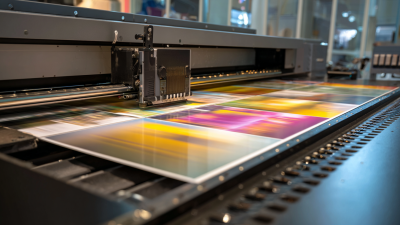
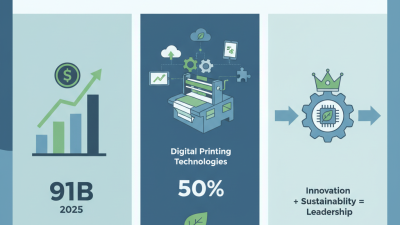
As the US printing industry evolves, emerging technologies are set to reshape its landscape by 2026. According to a recent report by Smithers Pira, the adoption of digital printing is projected to grow at a compound annual growth rate (CAGR) of 7.2% from 2021 to 2026. This shift highlights the increasing preference for short-run printing and customization, catering to unique consumer demands.
Automation and artificial intelligence will play significant roles in enhancing production efficiencies. Print service providers are likely to invest more in these technologies to optimize workflows. A study by InfoTrends indicates that AI-driven solutions can reduce production costs by up to 30%, making them attractive options for cost-sensitive businesses. However, challenges remain. Many printers struggle to integrate these systems effectively, often resulting in underutilized investments.
Sustainability is also becoming crucial in the printing sector. The market for eco-friendly printing materials is expected to rise as buyers seek greener alternatives. Research from Forrester suggests that nearly 50% of consumers prefer brands demonstrating sustainable practices. Adopting these technologies might appear straightforward, but aligning them with actual production capacity can be complex. This transition requires careful planning and skilled personnel to ensure successful implementation.
Sustainable Practices Reshaping Printing Trends in 2026
Sustainability is becoming essential in the printing industry. Many businesses are now adopting eco-friendly practices. This shift is driven by consumer demand and regulatory pressures. Environmentally responsible materials are gaining popularity. Recycled paper, vegetable-based inks, and biodegradable coatings are key trends.
Organizations are rethinking their processes. They aim to reduce waste and energy use. However, implementing sustainable practices can be challenging. Finding reliable suppliers for eco-friendly materials is not always easy. Companies must balance cost with environmental impact. Some printers struggle to meet the growing expectations of consumers regarding sustainability.
The transition towards sustainable printing is still a work in progress. Buyers should remain informed about new materials and technologies. Various companies are learning how to measure their environmental impact. Continuous assessment is necessary. This journey requires commitment and transparency. Identifying areas for improvement can enhance their sustainability efforts significantly.
Consumer Preferences and Their Impact on Printing Choices
Consumer preferences are rapidly changing the landscape of printing choices. In 2026, sustainability will top the list for many buyers. They demand eco-friendly materials and processes. This trend is driving companies to innovate. Biodegradable inks and recycled papers are becoming standard. However, not all companies are adapting quickly. Some still rely on traditional practices, limiting their market reach.
Customization is another key aspect of consumer demand. Many buyers seek personalized products that reflect their identity. This desire for unique designs fuels the growth of short-run printing. Yet, the industry must address challenges in scaling these options. High-quality output and cost-effectiveness are essential for success. Some businesses struggle to balance quality and affordability.
Additionally, digitalization continues to transform how consumers interact with print. Online ordering and design tools offer convenience. But this shift raises questions about personal touch. Many consumers miss the tactile experience of traditional print. Companies must find ways to blend innovation with authenticity. Balancing these elements will be crucial for meeting evolving expectations in the printing market.
Key Innovations in Printing Materials and Techniques by 2026
As we look towards 2026, the landscape of printing materials is poised for remarkable evolution. Innovations are primarily driven by sustainability. Biodegradable inks and recycled substrates are becoming more commonplace. These developments reflect growing environmental concerns among consumers and businesses alike. Every material choice will likely come with a story, enhancing its appeal.
Techniques are also transforming. Digital printing is becoming faster and more versatile. This leap allows for on-demand production, reducing waste and costs. A notable example is 3D printing, rapidly expanding beyond prototypes into actual products. However, this shift raises questions about quality and consistency.
Companies must consider both opportunities and challenges. Adopting new technologies can require significant investment. The learning curve may slow initial progress. Yet, embracing innovation is essential. The printing industry stands at a crossroads. Decisions made today will shape its future.
Market Insights: What Buyers Should Consider in 2026 Printing Trends
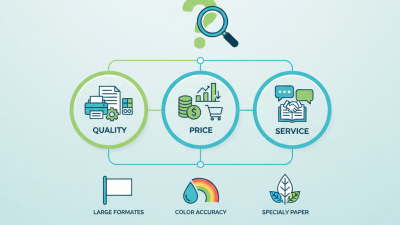
As we look ahead to 2026, several printing trends stand out for buyers. Sustainability is at the forefront. Many companies aim to reduce their environmental impact. Buyers should seek out printers who emphasize eco-friendly materials. This commitment can help reduce waste and improve brand reputation.
Digital printing technology continues to evolve. This shift allows for shorter runs and greater customization. Buyers will find options that cater to niche markets. However, it is essential to evaluate the cost-effectiveness of these methods. Not all companies will provide the same quality or efficiency.
Ink formulations are also changing. Advances are making inks durable and vibrant. However, buyers need to understand the limitations. Some inks may not perform well under specific conditions. Being informed is key. As trends unfold, buyers must balance innovation with practicality.
Top US Printing Trends for 2026
| Trend |
Impact on Buyers |
Recommended Action |
| Sustainability Focus |
Increased demand for eco-friendly materials. |
Incorporate sustainable practices in procurement. |
| Digital Printing Technology |
Higher quality prints and faster turnaround times. |
Invest in digital printing equipment. |
| Personalization and Customization |
Growing customer preference for tailored products. |
Offer customizable printing options to clients. |
| Packaging Innovation |
Shift towards unique, functional packaging solutions. |
Explore creative packaging designs and materials. |
| Augmented Reality (AR) Integration |
Enhanced customer engagement through interactive print. |
Invest in AR technology for marketing materials. |