Why Choose Bulk Snack Bags for Your Business?
Why Choose Bulk Snack Bags for Your Business?
For snack manufacturers, retailers, caterers, and subscription brands, packaging decisions affect cost, freshness, presentation, and daily workflow. Bulk Snack Bags can support these needs when selected carefully. They may reduce the cost per unit. They can also simplify storage and packing during busy production days.
Packaging specialist Lisa McTigue Pierce has stated, “Packaging is more than a container; it is a communication tool.” This idea matters for snack businesses. A clear window can show granola, nuts, or dried fruit. A resealable closure can help customers protect unfinished snacks in a desk drawer or backpack. Strong seals also reduce spills during shipping.
Buying in bulk can create practical savings. However, the lowest price is not always the best value. Businesses should review bag thickness, material quality, closure performance, printing options, and minimum order quantities. A thin bag may appear economical. It could fail during filling or transport. That mistake becomes expensive.
Consider the packing table. Workers need bags that open easily and stand securely. Warehouses need cartons that stack without crushing. Customers need packaging that feels clean, reliable, and easy to use. These small details influence repeat purchases.
Bulk Snack Bags can also support consistent branding. Matching sizes and colors create a more professional shelf appearance. Yet businesses should avoid ordering more than they can use. Designs, regulations, and product sizes may change.
The better choice balances protection, efficiency, appearance, and realistic demand. It is not perfect. Careful testing remains essential before placing a large order.
What Are Bulk Snack Bags and How Do They Work?
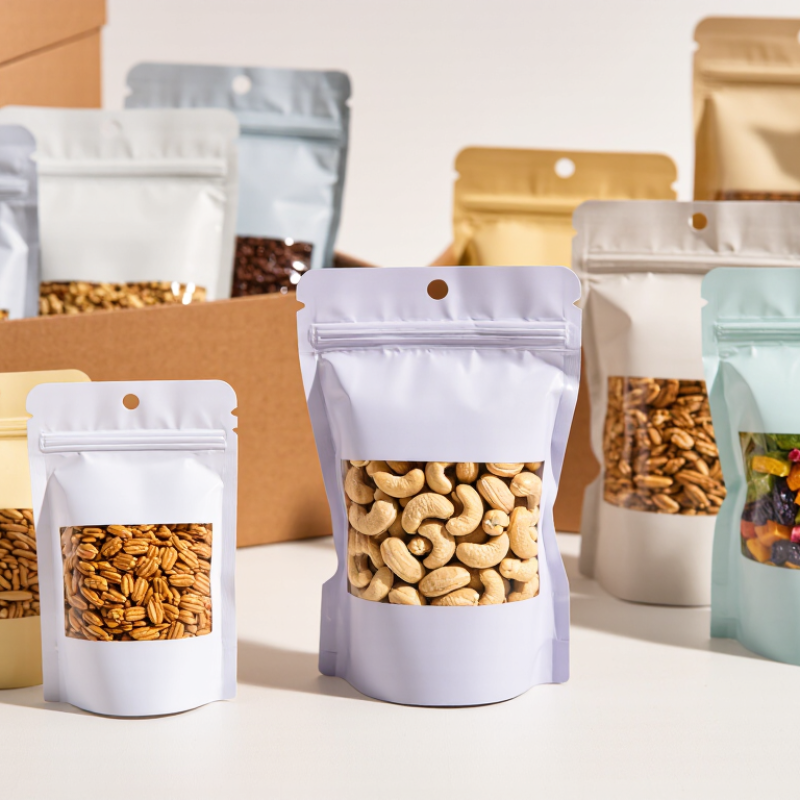
Bulk snack bags are flexible food packages purchased in large quantities for repeated business use. They may hold single servings, family-sized portions, or ingredients for refill stations. Common materials include plastic film, laminated layers, and resealable structures. Each option balances barrier protection, cost, appearance, and handling.
These bags work by creating a controlled barrier around dry snacks. Heat seals or zip closures help limit exposure to air, moisture, dust, and odors. During packing, staff fill each bag by weight, remove excess air when appropriate, and close the opening securely. A clear label can show the product name, net weight, allergens, and storage instructions. In daily operations, consistent sealing matters more than attractive packaging alone.
From practical packing experience, thicker film often feels safer, but it is not automatically better. It can raise material costs and create more waste. A thin bag may work well for short storage, yet fail after rough transport. Businesses should test filled bags on shelves, in cartons, and during delivery. Check for leaks, broken seals, crushed corners, and stale texture. Small trials reveal problems early. This step is sometimes skipped. That is a mistake worth reconsidering. Bulk purchasing can reduce unit costs and packaging interruptions, but only when the bag matches the snack, equipment, storage conditions, and expected sales speed.
Key Benefits of Choosing Bulk Snack Bags for Businesses
Why Choose Bulk Snack Bags for Your Business?
Bulk snack bags help businesses control portion sizes, purchasing costs, and daily preparation time. A café can fill 100 bags during one quiet morning instead of packing each order separately. That matters. Consistent portions also make pricing easier and reduce accidental over-serving.
The right bag protects product quality during storage and transport. Look for food-grade materials, a reliable seal, and a moisture barrier suited to the snack. Resealable closures can keep crackers crisp after opening. Clear sections may also help staff identify contents quickly. For markets, offices, and event counters, compact bags use less display space than large containers.
Bulk buying is not automatically cheaper. A business should compare the unit price, storage requirements, and expected sales volume. Slow-moving snacks can lose freshness before the bags are used. That is an easy mistake. Ordering a smaller trial quantity can reveal whether the size, seal, and design work in real conditions. Keep several filled bags in a normal storeroom for a week, then check for leaks, crushed contents, or soft texture. Supplier documentation should clearly state material details and intended food-contact use. Practical testing is often more useful than attractive packaging claims.
How Bulk Packaging Supports Cost and Inventory Management
Why Choose Bulk Snack Bags for Your Business?
How Bulk Packaging Supports Cost and Inventory Management
Bulk snack bags can reduce packaging costs through larger production runs and fewer delivery cycles. A food service operator may receive one carton instead of several smaller shipments. This lowers freight handling and simplifies receiving.
The savings are not limited to the purchase price. Staff use less shelf space when bags are packed in consistent case quantities. Standard sizes also make storage counts faster. A warehouse worker can check ten cases in minutes, rather than sorting many mixed cartons. Better visibility helps purchasing teams avoid urgent orders, which often carry higher shipping costs.
Inventory planning becomes more predictable when bag usage follows a regular sales pattern. For example, a café selling 800 snack portions weekly can set a practical reorder point. That figure should include seasonal demand and delivery delays. A simple spreadsheet can track opening stock, weekly usage, damaged units, and remaining cases. Small errors still happen. Forecasts may miss a school event or a quiet holiday week. Reviewing actual usage every month keeps the system realistic.
Bulk packaging also supports consistent portion control. This can reduce overfilling and make food costs easier to measure. However, storing too many bags creates its own problem. Excess stock may absorb warehouse space or become unsuitable if materials age. A balanced order quantity is usually more useful than the largest available quantity.
Why Choose Bulk Snack Bags for Your Business? - How Bulk Packaging Supports Cost and Inventory Management
| Planning Metric | 1,000 Bags | 5,000 Bags | 10,000 Bags | Inventory Management Impact |
| Estimated unit packaging cost | $0.42 | $0.31 | $0.26 | Higher order volumes generally improve purchasing leverage. |
| Total packaging spend | $420 | $1,550 | $2,600 | Budget larger purchases against forecast demand and available cash flow. |
| Estimated savings per bag vs. 1,000-bag order | $0.00 | $0.11 | $0.16 | Bulk purchasing can reduce the packaging cost allocated to each finished product. |
| Estimated order-level savings | $0 | $550 | $1,600 | Savings are calculated against the 1,000-bag unit cost. |
| Estimated storage volume | 1.2 m³ | 6.0 m³ | 12.0 m³ | Storage capacity must be checked before increasing order size. |
| Demand coverage at 5,000 bags per month | 0.2 months | 1.0 month | 2.0 months | Choose coverage that matches sales velocity and product shelf-life requirements. |
| Estimated monthly carrying cost at 2% | $4.20 | $15.50 | $26.00 | Compare unit-cost savings with warehouse, insurance, and handling costs. |
| Recommended reorder point | 3,750 bags | 3,750 bags | 3,750 bags | Based on 5,000 bags monthly demand, a two-week lead time, and one week of safety stock. |
| Best operational use | Short-term or test demand | Regular monthly demand | Stable, high-volume demand | The most economical option depends on demand stability, storage space, and cash-flow priorities. |
Note: Cost figures are transparent planning estimates for comparison. Storage volume assumes 0.0012 m³ per packed bag, and carrying cost assumes 2% of packaging inventory value per month. Actual pricing, dimensions, lead times, and storage requirements vary by material, printing, bag size, order terms, and supplier location.
Selecting the Right Bulk Snack Bags for Your Products
Selecting the right bulk snack bags starts with the product, not the lowest price. A crisp snack needs strong moisture and oxygen protection. Greasy foods require reliable seals and materials that resist oil transfer. Powdered products may need extra puncture resistance. I have seen attractive packaging fail because the bag was too thin for rough warehouse handling. Appearance matters, but protection comes first.
Choose a size that fits the serving quantity without leaving excessive air inside. An oversized bag can look underfilled and may waste storage space. A small bag may strain the seal during filling. Measure your product carefully, including its shape and settling behavior. Shorter bags often improve packing speed. Sometimes they do not.
Check whether the bags work with your filling equipment and sealing temperature. Test a small batch before placing a large order. Inspect seal strength, leaks, odor, print clarity, and performance after transport. Food-contact documentation should be available and easy to verify. Supplier consistency also matters, especially when you reorder the same format months later. I would still question every specification. Written details can miss real-world handling.
Best Practices for Storing and Using Bulk Snack Bags
Why Choose Bulk Snack Bags for Your Business?
Bulk snack bags can reduce repacking time and create a cleaner serving routine. They also help businesses control portions during busy hours. Yet storage practices often decide whether this advantage lasts.
Store unopened bags in a cool, dry area away from sunlight, moisture, and strong odors. USDA’s FoodKeeper guidance recommends checking package dates and storage conditions, not relying on dates alone. Use older stock first, and record opening dates with a simple marker. This small step prevents forgotten inventory. It is easy to overlook.
Choose bags with strong seals and suitable barriers for the snack type. Crisp products need protection from humidity, while oily snacks may develop stale flavors faster. The 2024 UNEP Food Waste Index Report estimated 1.05 billion tonnes of food waste in 2022. Better stock rotation cannot solve everything, but it can limit avoidable losses. Our own storage checks sometimes reveal uneven shelf temperatures, so one inspection is rarely enough.
Tips: Keep bags off the floor and at least several inches from walls. Use clean, dry scoops for shared containers. Never return opened snacks to sealed stock. Check damaged seams before distribution. FDA Food Code guidance sets 41°F (5°C) or below for foods requiring cold holding, though most dry snacks need a dry pantry instead. Record humidity when products repeatedly lose their crunch.