How to Choose the Best Sticker Printing Supplier
Choosing a sticker supplier is not just a price comparison. The right partner should deliver sharp artwork, dependable color, and adhesive that suits the surface. A vivid sample can still disappoint if the finished batch arrives with rough edges or inconsistent cuts. Small details matter.
Quality expert W. Edwards Deming wrote, “Quality comes not from inspection, but from improvement of the production process.” That principle applies to stickers printing: ask how a supplier checks files, manages color, and maintains consistency between runs. A reliable company should explain paper or film options, finish choices, minimum quantities, and production timelines in plain language. Ask for proof.
This guide outlines practical ways to assess samples, materials, print capabilities, pricing, and customer support. Compare a matte label on a glass jar with a glossy sticker on a laptop; they face different handling and wear. Request a proof, confirm dimensions and finish, and ask how reprints are handled if the result misses the agreed specification. Even experienced buyers can overlook adhesive compatibility. I have seen product photos hide small flaws, so inspect a physical sample whenever possible. No supplier is perfect, and the cheapest quote may still fit a simple project. The goal is to match the supplier’s strengths to your actual use, budget, and schedule.

Define Your Sticker Printing Requirements
Define Your Sticker Printing Requirements
Before requesting quotes, decide what the sticker must do and where it will be used. A label on a refrigerated jar faces moisture and cold; a laptop decal needs a different adhesive and finish. Note the surface, temperature, exposure to sunlight, and expected handling. These details help a supplier recommend suitable materials instead of guessing.
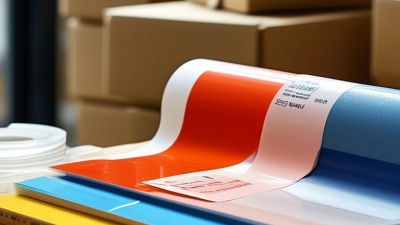
Measure the finished size and shape, then estimate how many stickers you need. Include whether they should arrive on rolls or sheets, and whether each design needs a different version. Choose a finish with the setting in mind: matte can reduce glare on small text, while gloss may make colors look brighter. Small details matter. If the sticker must wrap around a curved container, say so; a flat sample may not reveal edge lifting.
Prepare print-ready artwork if available, but ask what file formats and bleed the supplier accepts. Request a proof and check spelling, color, cut lines, and small lettering at actual size. I have seen careful plans miss one awkward detail: the sticker may look right on screen but feel too large on the package. A physical sample can expose that mismatch before a full run. It is also worth stating your budget and deadline clearly, since material choices and finishing can affect both.
Compare Suppliers’ Printing Capabilities and Materials
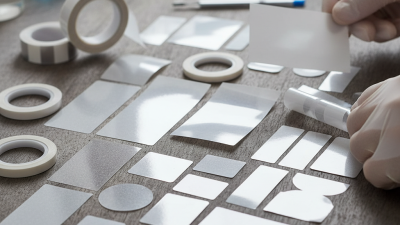
A supplier’s equipment list tells only part of the story. Ask what they can print consistently, not just what they can print once. Check available colors, fine-text reproduction, white ink, and whether they support sheets, rolls, or custom shapes. Request a physical proof with small text and solid color areas. Look closely at sharp edges, banding, and color shifts under ordinary room light. Small detail. Big difference. Also ask how they handle revisions and what tolerances they can maintain across repeat orders.
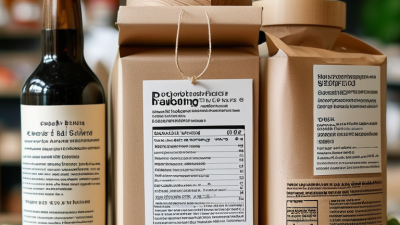
Material choice should match the sticker’s actual job. Paper can suit indoor labels, while polypropylene or polyester often handles moisture better. For a jar kept in a refrigerator, test the label after condensation forms. For a package handled often, rub the sample and inspect its coating. Ask about adhesive strength on your specific surface; a label that sticks well to glass may lift from textured plastic. I still find adhesive easy to overlook. It is not glamorous, but it can decide whether the finished label works. Compare supplier samples using the same surface, lighting, and simple tests. A polished sample is useful, though it cannot replace checking how the material behaves in your own conditions.
Evaluate Print Quality, Samples, and Production Standards
When comparing sticker-printing suppliers, inspect physical samples under ordinary room light, not only polished website images. Check whether small text stays legible, fine lines remain unbroken, and colors match across several pieces. Rub a corner gently and look for lifting, smudging, or uneven cuts. Small details matter. A sample is useful, but it cannot guarantee every production run will match.
Ask how the supplier controls consistency from proof to finished batch. Look for documented checks on color, dimensions, adhesive placement, cutting alignment, and material thickness. Request material specifications and confirm they suit the surface and conditions where the stickers will be used. Ask whether the finished order is checked against an approved proof and how defects are recorded. A slightly imperfect sample may be explainable; unclear answers about repeatability are more concerning. It is easy to overlook this distinction when a sample looks impressive.
Tips: Request samples made with the same material and finish as your planned order. Compare several pieces, not just the best-looking one. Keep notes on color, edges, and adhesion, then ask the supplier to clarify anything that seems inconsistent.
Review Pricing, Turnaround Times, and Customer Support
Choosing a sticker printing supplier means comparing the full quote, not just the price per sticker. Ask for costs based on the same size, material, finish, quantity, and delivery address. Check whether setup, proof revisions, packaging, and shipping are included. A low quote can rise after these details appear. Cheap can cost more. Request a digital proof and confirm how color differences between screen and print are handled.
Turnaround estimates should include proof approval, production, and shipping. Ask for a dispatch date, not only a general production window. If stickers are needed for an event, leave room for delays or a corrected proof. Customer support matters most when something changes. Send a specific question about adhesive, outdoor use, or file resolution, then notice how clearly and promptly the supplier responds. A polished website is not proof of reliable service. I would still check the written terms; quick replies alone do not guarantee smooth delivery.
Tips: Compare two or three written quotes using identical specifications. Ask whether rush fees apply and what happens if an order arrives damaged or incorrect. Save the approved proof and promised delivery date. One detail is easy to miss: a cheaper material may not suit a damp bottle or sunlit window. If the supplier’s answer feels vague, pause and clarify before paying.
Choose a Supplier and Confirm Your Order Details
How to Choose the Best Sticker Printing Supplier
Choose a Supplier and Confirm Your Order Details
Choose a supplier who answers specific questions clearly and provides a written proof before production. Ask for a printed sample if color, texture, or finish matters. Check the adhesive against the actual surface: a label that sticks to glass may lift from a textured container. Confirm finished dimensions, material, laminate, quantity, roll direction, core size, and delivery date. Small details matter. It is easy to miss one.
FINAT’s 2023 RADAR report recorded European self-adhesive labelstock demand of 8.5 billion square meters in 2022, down 4.7% from 2021. For buyers, that is a reminder to verify material availability and lead times instead of assuming every stock is ready. Ask the supplier to list unit costs, setup fees, shipping, color tolerances, and what happens if delivered stickers differ from the approved proof. A small oversight can still slip through, so check the final artwork at actual size.
Tips: Send one clearly named, print-ready file. Request written confirmation of every specification, then compare it with the proof before approving production. Keep the confirmation with your order records.