What is the Importance of Packaging Labels for Global Buyers?
In today's competitive market, packaging labels play a crucial role for global buyers. According to Nora Smith, a leading expert in packaging design, "Clear and informative packaging labels can drive consumer choices." This quote highlights the significance of effective labeling in influencing purchasing decisions.
Packaging labels serve multiple purposes. They provide essential product information, ensuring compliance with regulations and enhancing consumer trust. Labels help buyers quickly identify attributes such as ingredients, usage instructions, and origin. For instance, packaging labels can reflect sustainability efforts, appealing to environmentally conscious consumers.
Despite their importance, many brands overlook the power of packaging labels. Inconsistent or unclear labeling can confuse buyers, leading to lost sales. Companies must regularly evaluate their labeling strategies. Reflecting on their effectiveness could reveal opportunities for improvement. Understanding the needs of global buyers is essential for creating impactful packaging labels.
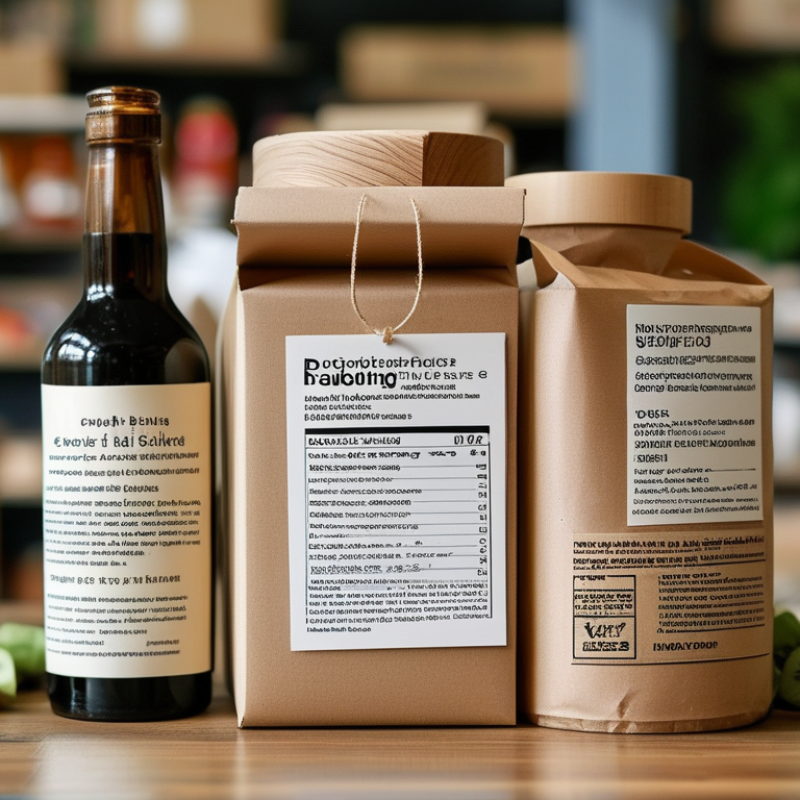
The Role of Packaging Labels in Product Identification and Brand Recognition
Packaging labels play a crucial role in product identification and brand recognition. According to studies, nearly 70% of consumers rely on packaging to make purchase decisions. The design, colors, and information on labels can influence customer perception significantly. A well-crafted label communicates the product's value and helps differentiate it from competitors.
Consumers often build trust based on visual cues. A recent report indicated that up to 90% of purchases are influenced by packaging. This highlights the importance of clear and informative labeling. It helps create a lasting impression in a crowded marketplace. However, companies sometimes overlook the balance between aesthetics and compliance. While a striking design can attract attention, it must also convey essential information. Clarity should never be sacrificed for creativity.
In today's global market, labeling must cater to diverse audiences. With over 50% of consumers preferring brands that reflect their values, effective labeling can establish deeper connections. Despite advancements in technology, many products still struggle with accurate labeling. This inconsistency can lead to confusion and a lack of trust. Brands must reflect on their labeling strategies. Engaging visuals and informative content are essential for meeting consumer expectations while ensuring compliance.
Understanding Regulatory Compliance Through Packaging Labels in Global Markets
Packaging labels play a crucial role in ensuring regulatory compliance in global markets. According to a report by the World Trade Organization, up to 70% of trade disputes arise from labeling issues. Accurate information helps avoid costly fines and potential market withdrawal. Labels must align with local laws and cultural expectations. Non-compliance can deter buyers, impacting sales and brand reputation.
Moreover, specific details such as ingredient lists, nutritional facts, and safety warnings foster informed consumer choices. The International Organization for Standardization emphasizes that clear labeling enhances transparency. Customers trust brands that prioritize compliance and clarity. Research shows that 57% of consumers make purchasing decisions based on label accuracy alone. This underscores the importance of not just meeting regulations but also building consumer confidence through detailed labeling.
Despite this, many companies struggle with understanding the nuances of diverse labeling requirements. Issues such as language barriers and cultural differences can lead to miscommunication. Businesses may overlook certain compliance aspects, leading to unnecessary complications. These challenges highlight the importance of investing in expert knowledge and resources. Ensuring all labeling is thorough requires ongoing commitment and reflection on best practices.
How Packaging Labels Influence Consumer Purchase Decisions Worldwide
Packaging labels play a crucial role in influencing consumer purchase decisions across the globe. A well-designed label can attract attention on crowded shelves. Colors, fonts, and imagery can evoke emotions and encourage purchases. For example, a bright, bold label may suggest excitement, while softer colors might imply calm and reliability.
Global buyers often rely on packaging labels for information. They want to know details such as ingredients, nutritional value, and how to use the product. Inconsistent or unclear labeling can lead to confusion and mistrust. Some consumers may hesitate to buy products with generic labels. They might question the quality and safety of the items inside. It's a critical reflection point for brands: how clear and informative are their labels?
Furthermore, cultural differences impact label effectiveness. What works in one market may not resonate in another. Symbols and images can convey various meanings across cultures. Brands must research and adapt labels to local preferences while maintaining essential information. Striking the right balance can be challenging but is vital for appealing to diverse global audiences.
The Impact of Packaging Labels on Supply Chain Efficiency and Traceability
Packaging labels play a crucial role in the supply chain. They ensure effective traceability of products from origin to destination. Clear labels contain vital information such as batch numbers, production dates, and expiration dates. This clarity helps in managing inventory and reduces waste. Missing or unclear labels can lead to delays and costly mistakes.
Moreover, efficient packaging labels enhance supply chain transparency. When consumers can trace a product's journey, trust in the brand increases. This transparency can lead to better customer satisfaction. However, there are challenges. Some companies still neglect the importance of comprehensive labeling. Mislabeling can result in recalls, impacting both reputation and finances.
Investing in high-quality labels is essential. Good labels should not only be informative but also durable. They need to withstand varying conditions during transportation. In some cases, companies may overlook the need for multilingual labels in diverse markets. Ensuring that labels are user-friendly for all consumers is vital. This attention to detail can significantly influence operational efficiency and reliability in the supply chain.
Exploring Sustainability Trends in Packaging Labels for Global Consumers
In recent years, sustainability has become a pivotal concern within the packaging industry. According to a McKinsey report, over 60% of consumers are willing to pay more for sustainable packaging. This shift highlights the growing demand for packaging labels that reflect eco-friendly practices. Both brands and consumers are seeking transparency. In fact, nearly 70% of buyers consider packaging details crucial when making decisions.
A notable trend is the increase in the use of recyclable materials for labels. The World Packaging Organization estimates that global demand for sustainable packaging might reach $500 billion by 2027. This change not only aids in reducing waste but also appeals to a broader audience. However, many companies still face challenges in making their labels informative without overwhelming consumers. Clear communication is vital. Labels that lack clarity may alienate potential buyers who prioritize environmental impact.
Additionally, the use of eco-labels is rising. Research shows that products with recognizable sustainability certifications often see a boost in sales. However, there is a fine line between effective labeling and greenwashing. Brands must ensure their claims are backed by genuine practices. Failure to do so can lead to consumer distrust. Packaging labels are not just identifiers; they are essential tools for promoting responsible consumerism in an ever-evolving market.
What is the Importance of Packaging Labels for Global Buyers? - Exploring Sustainability Trends in Packaging Labels for Global Consumers
| Label Feature |
Importance for Global Buyers |
Sustainability Impact |
Consumer Preferences |
| Eco-Friendly Materials |
Increases appeal to environmentally conscious buyers |
Reduces environmental footprint |
70% of consumers prefer brands that use sustainable materials |
| Clear Information |
Builds trust through transparency |
Promotes responsible consumption |
85% of consumers read labels before purchase |
| Recyclability |
Encourages buyers to choose recyclable products |
Supports circular economy |
60% of consumers consider recyclability important |
| Bilingual Labels |
Enhances accessibility for diverse markets |
Fosters inclusivity in global trade |
55% of buyers prefer bilingual packaging in multicultural areas |
| Branding Elements |
Strengthens brand identity and loyalty |
Promotes sustainable branding practices |
74% of consumers are loyal to brands with strong sustainability messages |