How to Create Effective Packaging Labels for Your Products?
Creating effective packaging labels is essential for product success. According to Robert Morris, a leading expert in packaging design, “Labels are the first point of contact with consumers.” This highlights the importance of thoughtful design in packaging labels. They communicate both the brand and product information.
Packaging labels serve as a powerful marketing tool. They need to stand out on crowded shelves. Effective labels must be informative yet eye-catching. It's a challenge to balance aesthetics with clarity. Many products fail because their labels confuse rather than inform. The right design can make all the difference in consumer choices.
Furthermore, regulatory requirements often complicate label design. Businesses must ensure that all necessary information is included. This adds another layer to an already complex process. Many companies overlook critical details, leading to miscommunication with customers. Crafting the perfect label requires experience and continuous improvement.

Understanding the Importance of Packaging Labels in Marketing
Packaging labels play a crucial role in marketing. They serve as the first point of contact between consumers and products. According to a study by Packaging Strategies, 72% of consumers judge products solely on packaging. This statistic underlines the power of effective labeling in influencing purchasing decisions.
Labels convey important information. They inform consumers about ingredients, usage, and benefits. A clear, well-designed label can enhance brand credibility. However, many brands overlook this detail. Research shows that 60% of products in a category fail due to ineffective labeling. Many labels contain overly complex language or cluttered designs, leading to consumer confusion.
Moreover, sustainability is becoming important. A survey by Nielsen found that 66% of consumers prefer products with eco-friendly packaging. Brands need to adapt to these preferences. If packaging labels do not align with consumer values, the business risks alienation. Thoughtful design can resonate deeply, while poor choices can lead to lost sales. Labels must not just follow trends but also represent authentic brand values.
Identifying Key Information to Include on Your Packaging Labels
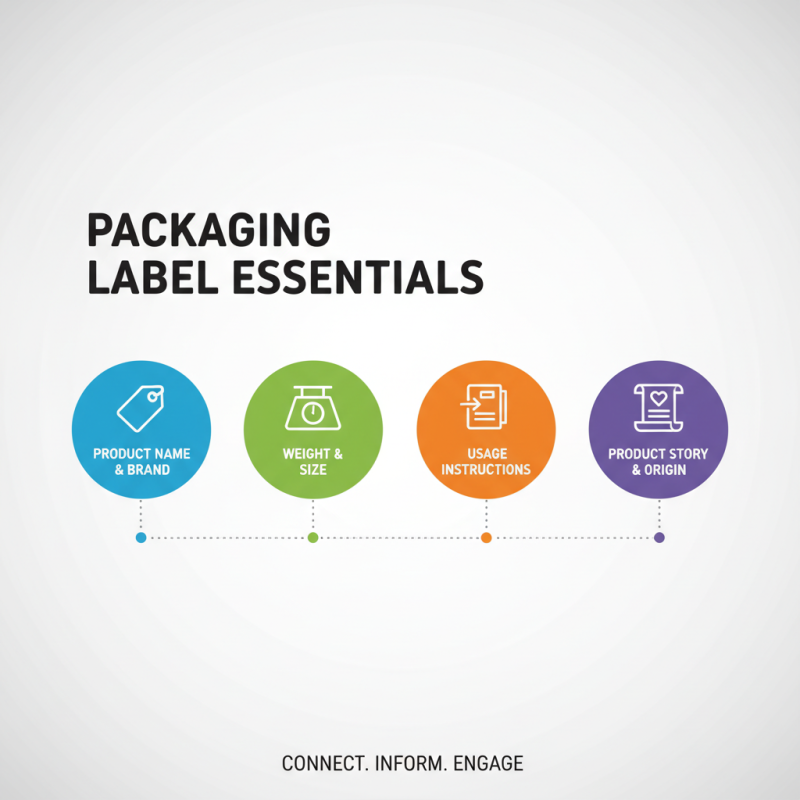
Creating effective packaging labels is important. They serve as the first point of contact between your product and potential customers. Essential information must be included to grab attention. Product name, weight, and usage instructions should be clearly presented. Also, consider adding a brief story about the product to connect with consumers.
Consider the aesthetics of your label. Color and typography play a significant role. They help convey the brand's personality. However, it is easy to overdo it. Too much information or elaborate design can confuse customers. Keeping it simple might be more effective.
Don’t overlook regulatory requirements. Many products have strict labeling guidelines. A missing detail can lead to serious issues. Make sure your labels are compliant while still capturing your brand essence. It can be a balancing act, requiring constant reflection and adjustment. Regularly testing different designs and formats can refine your approach.
Design Principles for Attractive and Functional Packaging Labels
Effective packaging labels play a critical role in product marketing. Research indicates that 72% of consumers base their purchasing decision on packaging design alone. Thus, understanding how to create attractive and functional labels is essential for success.
When designing packaging labels, aim for clarity and readability. Use bold fonts and contrasting colors. Studies show that consumers prefer simple designs. A cluttered label can confuse shoppers and deter purchases. Ensure that essential information stands out, like product benefits and usage instructions. Utilizing white space effectively can enhance visual appeal while maintaining clarity.
Additionally, consistency in design elements strengthens brand identity. This includes using a uniform color scheme and logo placement across products. Brands that maintain visual consistency see a 23% increase in customer loyalty. However, be cautious of over-designing. A label can become too busy, reducing its effectiveness. Regularly assess consumer feedback to identify areas for improvement. Engaging with focus groups can provide valuable insights into the effectiveness of your labels.
Effective Packaging Labels Design Analysis
Choosing the Right Materials and Finishes for Packaging Labels
Choosing the right materials for packaging labels is crucial. You want materials that not only attract customers but also withstand environmental conditions. For instance, water-resistant labels are essential for products exposed to moisture. Using paper for a premium look can be tempting, but it may not hold up well in humid climates.
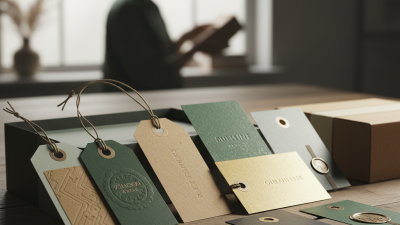
Finishes add an extra level of interest to labels. Matte finishes can convey elegance, while gloss finishes enhance colors and images. However, the right finish also depends on the target audience and product type. A neon glossy label might appeal to younger consumers, but it may feel out of place for a high-end product.
Many brands find it challenging to strike the right balance between aesthetics and functionality. Sometimes, a label may look stunning but lacks durability. Developing a reliable label requires experimentation. Testing various materials and finishes can provide insight into what works best for your unique products. Balancing looks with practicality leads to effective packaging labels.
Ensuring Compliance with Labeling Regulations and Standards
Creating effective packaging labels requires a keen understanding of labeling regulations. Each market has specific standards to ensure consumer safety and clarity. Compliance is non-negotiable. You must research the relevant guidelines based on your product category and target region. Documentation can be tedious, but it's essential for your brand’s credibility.
Here are some tips to ensure compliance:
- Use clear, legible fonts to enhance readability.
- Include all necessary information, such as ingredients and safety instructions.
- Double-check all regulations for your product type.
It can be challenging to balance creativity with compliance. Many businesses overlook minor details, leading to fines or recalls. Regularly review your labels to adapt to changing regulations. Engaging with a compliance expert can provide insight.
Having a fresh set of eyes helps catch mistakes you might miss. Adjustments may seem small, but they significantly impact consumer trust and safety.