What Are the Top Printing Companies in China?

China’s printing industry combines advanced equipment, broad production capacity, and competitive pricing. It serves packaging, publishing, labels, commercial materials, and customized products. However, choosing a supplier requires more than comparing quotations. Buyers should examine certifications, material control, color accuracy, delivery records, and communication standards.

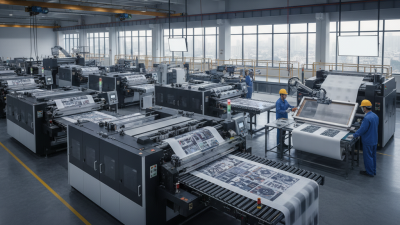
According to Chen Wei, a senior printing consultant at you printing, “A reliable printer proves quality through consistent samples, not attractive promises.” This principle deserves attention. A factory may display modern Heidelberg or Komori presses, yet its real performance appears in production details. Check registration on fine text, coating uniformity, barcode clarity, and color differences between batches. Ask for recent samples, not only polished showroom pieces.

This guide explores leading printing companies in China and the strengths they commonly present. Some specialize in high-volume books. Others focus on premium packaging, flexible materials, labels, or short-run digital printing. Location also matters. Shenzhen and Guangzhou often support export packaging and commercial orders. Shanghai and Ningbo offer strong logistics connections. Yiwu is widely associated with merchandise and packaging supply chains.

Company rankings are never completely objective. Pricing, equipment, service, and product fit can change by project. A supplier suitable for 100,000 cartons may perform poorly on 500 luxury boxes. That is an important limitation. Buyers should request a physical proof, confirm production tolerances, and review shipping terms before making a decision. This approach creates a more reliable comparison of China’s top printing companies.
What Are the Top Printing Companies in China?

Definition and Role of China’s Printing Industry

China’s printing industry converts digital designs into books, labels, cartons, newspapers, and industrial materials. It supports education, retail, logistics, manufacturing, and cultural communication. Its role extends beyond ink and paper. Printing also protects product information, improves packaging efficiency, and helps businesses reach customers across regional markets.

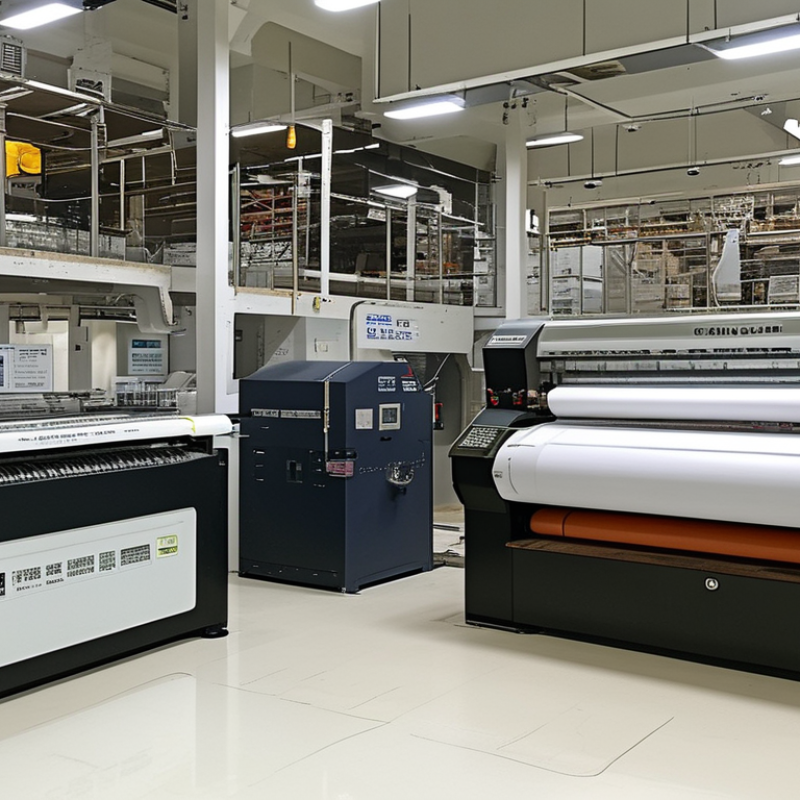
The strongest printing companies usually combine modern presses with disciplined production control. Their facilities may use color calibration, automated inspection, and traceable material records. A production manager checks paper moisture before printing because small changes can distort registration. Operators also compare proof sheets under controlled lighting. These practical steps reduce waste and improve consistency during large orders.

Environmental responsibility is becoming more important. Many facilities reduce solvent use, recycle paper scraps, and measure energy consumption. However, advanced equipment alone does not guarantee dependable work. A perfect sample can hide weak communication, delayed delivery, or inconsistent finishing. Buyers should examine quality records, staff expertise, safety procedures, and after-sales support. Price deserves attention, but it should not dominate the decision. The industry still has room to improve, especially in transparent reporting and smaller-batch flexibility. Reliable performance is built through repeated checks, not impressive claims.

What Are the Top Printing Companies in China? - Definition and Role of China’s Printing Industry

Company-neutral overview of the major printing segments, capabilities, and industry roles in China

Industry Segment Main Printed Products Primary Market Role Typical Production Technologies Key Buyer Groups Important Capability Indicators
Flexible and Folding Packaging Cartons, pouches, wrappers, paper bags, and food packaging Supports consumer goods distribution and product protection Flexographic printing, gravure printing, offset printing, lamination, and die-cutting Food, beverage, household, pharmaceutical, and personal-care producers Color consistency, food-contact compliance, barrier performance, traceability, and high-volume capacity
Commercial Printing Catalogues, brochures, leaflets, posters, calendars, and corporate materials Provides marketing, sales, and communication materials Sheet-fed offset, digital toner printing, inkjet printing, binding, and finishing Retailers, manufacturers, service providers, schools, and public institutions Short-run flexibility, fast turnaround, personalized content, paper selection, and finishing quality
Publication Printing Books, educational materials, magazines, newspapers, and reference publications Supports education, cultural communication, and information distribution Web offset, sheet-fed offset, digital book printing, perfect binding, and case binding Publishers, educational institutions, government organizations, and libraries Text reproduction accuracy, pagination control, binding durability, and print-on-demand capability
Label Printing Pressure-sensitive labels, shrink sleeves, tags, and product identification labels Enables product identification, logistics tracking, and regulatory information Flexography, digital label printing, screen printing, hot stamping, and variable-data printing Consumer goods, beverage, pharmaceutical, chemical, and logistics companies Adhesion performance, barcode readability, moisture resistance, variable data, and inspection systems
Security Printing Secure documents, certificates, tickets, identity materials, and anti-counterfeit packaging Protects documents, products, transactions, and public information Specialized intaglio, offset, screen printing, holographic effects, numbering, and controlled finishing Government agencies, financial institutions, transport operators, and regulated industries Restricted production access, document control, authentication features, secure data handling, and auditability
Digital Printing Personalized mailers, prototypes, short-run packaging, photo products, and customized books Serves fast, customized, and variable-volume print demand Production inkjet, electrophotographic printing, workflow automation, and variable-data software E-commerce sellers, publishers, marketers, designers, and small-to-medium enterprises Rapid setup, data security, color management, small-batch economics, and online ordering integration
Textile and Decorative Printing Printed fabrics, home-textile materials, wallpapers, decorative surfaces, and interior graphics Adds visual design and functional surface finishes to textile and interior products Rotary screen, flat-screen, sublimation, pigment, reactive, and digital textile printing Apparel producers, home-furnishing suppliers, interior designers, and decorators Color fastness, fabric compatibility, repeat accuracy, chemical management, and design flexibility
Industrial and Functional Printing Membrane panels, electronic markings, technical films, control interfaces, and specialty components Integrates printed graphics or functional layers into manufactured products Screen printing, inkjet deposition, conductive printing, coating, curing, and precision registration Electronics, automotive, appliance, medical-device, and industrial-equipment manufacturers Dimensional accuracy, material compatibility, functional performance, process validation, and quality control
Core evaluation criteria: production scale, print quality, delivery reliability, compliance management, sustainability practices, export readiness, digital workflow capability, and specialized finishing services.

Key Criteria for Ranking Top Printing Companies

Ranking the top printing companies in China requires more than comparing annual revenue. Production consistency matters. Smithers’ 2024 industry forecast estimates global print revenues will remain near 840 billion US dollars through 2028. This stable market increases pressure on Chinese suppliers to prove measurable value.

A strong ranking should examine print accuracy, material control, delivery reliability, and technical capacity. ISO 9001 certification can indicate documented quality procedures, while ISO 12647 compliance supports consistent color reproduction. Buyers should request recent color-control records, not only certificates. Modern facilities may also offer digital presses, automated inspection, and short-run production. However, equipment alone proves little. A smaller factory with fewer machines may deliver better results through tighter supervision. This is an important, sometimes overlooked, weakness in simple rankings. Sustainability should be measured through waste records, energy data, and traceable paper sourcing. vague environmental claims deserve caution.

Tips: Ask for a sample batch. Check color variation under standard lighting. Compare promised and actual lead times. Review export packaging, inspection reports, and customer references. Interpack’s packaging research shows stronger demand for efficiency and resource reduction, so material waste should affect supplier scores. Cost still matters, but the lowest quotation may hide rework, delays, or weak after-sales support. A practical scorecard can assign 30% to quality, 25% to delivery, 20% to technology, 15% to sustainability, and 10% to communication. These weights are not universal. Product risk should change them.

Key Criteria for Ranking Top Printing Companies in China

Illustrative procurement-weighting model for comparing commercial printing suppliers, based on commonly used buyer evaluation factors.

Print quality and consistency receive the highest weighting, followed by delivery reliability, regulatory compliance, production capacity, sustainability, and total cost. These percentages are evaluation weights rather than reported results from any specific company.

Leading Printing Companies and Their Core Strengths

China’s leading printing companies compete through specialized capabilities, not size alone. Many operate integrated facilities, combining prepress, offset, digital, packaging, and finishing under one quality system. This structure reduces handoff errors and helps buyers manage color, paper, and delivery schedules. In practical sourcing reviews, experienced teams check proofs beside press sheets. Small details matter.

A major strength is scalable production. Large orders may require automated folding, binding, laminating, or die-cutting equipment. Meanwhile, digital presses support short runs, variable data, and quick revisions. This balance suits publishers, retailers, exporters, and organizations with changing demand. Quality control often includes calibrated color systems, sample approval, inline inspection, and final carton checks. Reliable suppliers document tolerances instead of promising flawless results. That distinction builds trust.

Sustainability and traceability are becoming practical differentiators. Companies with certified materials, waste tracking, and clear factory records offer stronger purchasing evidence. However, certificates alone do not prove consistent workmanship. Buyers should compare recent samples, production capacity, communication speed, and corrective-action procedures. No supplier is perfect. A capable factory may still struggle with unusual substrates or rushed artwork. This risk deserves discussion before production begins. Strong partnerships develop through measurable specifications, realistic timelines, and candid feedback after each order.

Major Printing Services and Industry Specializations

Top Printing Companies in China: Major Printing Services and Industry Specializations

China’s printing sector is not one market. It is a network of specialized production lines. Commercial printers produce catalogs, brochures, books, and retail displays. Packaging specialists focus on cartons, flexible films, labels, and protective inserts. Publication printing remains important, but packaging now drives much investment. The 2024 Future of Global Printing to 2028 report estimates global print packaging value exceeded US$500 billion in 2023. It also expects steady growth through 2028. That shift creates demand for shorter runs, faster changes, and stronger color control.

Chinese suppliers increasingly combine offset, gravure, flexographic, and digital equipment. Offset suits large volumes and stable artwork. Digital presses reduce setup time for variable labels and regional campaigns. Flexible packaging requires careful ink adhesion, sealing performance, and migration testing. These details matter more than impressive factory photos. Some suppliers also offer eco-focused papers, water-based inks, and lighter packaging structures. However, environmental claims can be vague. Buyers should request measurable data, not friendly promises. A mistake here can become expensive.

Tips: Ask for recent test reports, production samples, color tolerances, and material specifications. Confirm whether quality checks occur during production or only before shipment. Compare the full landed cost, including plates, tooling, freight, waste, and revisions. A factory with advanced equipment may still miss deadlines. Clear artwork files and written approval procedures reduce that risk. Check communication quality early. It often predicts the final result.

How to Choose the Right Chinese Printing Company

Choosing a Chinese printing company requires more than comparing unit prices. Smithers’ 2024 report valued global digital printing at about $136.7 billion in 2023. Its forecast points to continued expansion through 2028. This growth increases supplier choice, but it also makes quality differences harder to spot.

A reliable selection process begins with a technical sample. Request the same paper, dimensions, colors, coating, and binding used in your order. Check color consistency across several pages, not just the cover. Ask for recent audit records, production photographs, and measurable tolerances. ISO 9001 registration supports process control, but it does not replace your own inspection. I once treated a low quotation as proof of efficiency. The final cost included corrections, delays, and wasted cartons. That mistake still matters.

FESPA’s 2023 Print Census surveyed 1,778 print businesses across 100 countries. It reported that 56% experienced turnover growth, showing a competitive and changing market. Choose a factory that explains capacity honestly, especially during peak seasons. Confirm prepress procedures, proof approval, material traceability, packaging protection, and shipment responsibilities in writing. A short video call can reveal whether staff understand your specifications. It can also expose vague answers. Do not rely on polished samples alone. Ask for a small paid trial, inspect the finished batch independently, and record every defect. No checklist is perfect. Reserve time for one unexpected correction.

t