How to Choose Product Labels for Global Markets?
Choosing product labels for global markets takes more than translating a few lines of copy. A label must stay readable, accurate, and useful across languages, packaging formats, and customer expectations. It may need to fit a curved glass jar, a small carton, or a flexible pouch without hiding key details. Small details matter. Font size, contrast, material, and placement can affect how easily shoppers understand a product on a crowded shelf.
Start by identifying where the product will be sold and who will use it. Requirements for language, ingredients, warnings, measurements, and recycling information can differ between markets and product categories. Confirm these details with qualified local regulatory or packaging specialists before printing; requirements can change, and a label that worked last year may need review. Then test the design on the actual package. Check it under store lighting, after handling, and alongside translated text. A proof on a screen is not enough.
Experienced teams also consider how labels behave during shipping and storage. Heat, moisture, friction, and cold can weaken adhesives or blur print. Ask suppliers for material and print samples, and document approvals for each market version. Some choices remain uncertain until real-world testing. That is worth admitting. Careful planning cannot remove every surprise, but it can reduce costly reprints and make product labels clearer and more dependable for customers worldwide.
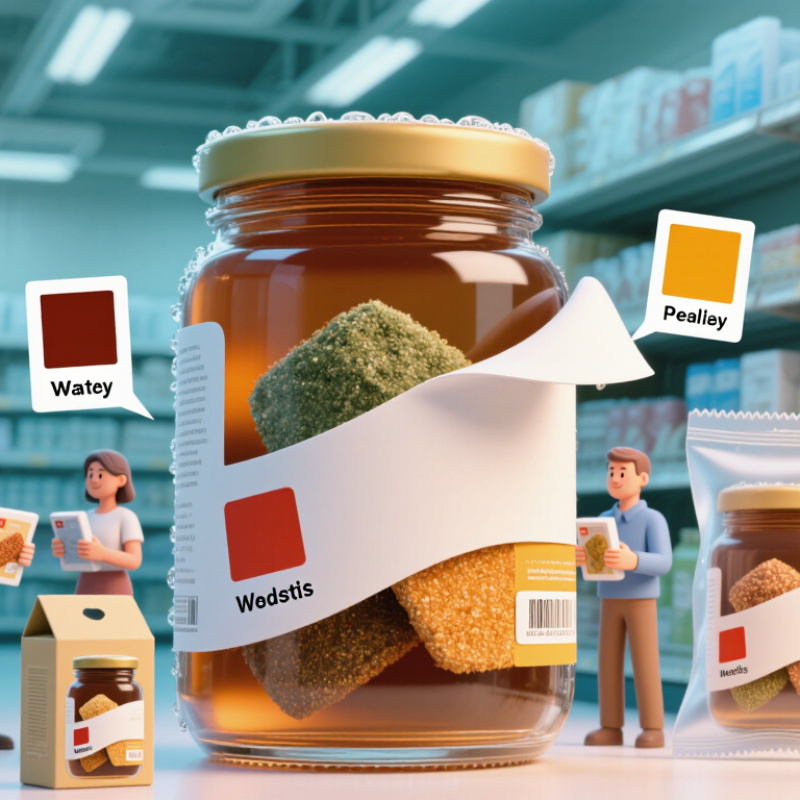
Understanding Product Labeling Requirements Across Markets
A product label is not simply a translated sticker. Markets can differ on mandatory languages, ingredient order, allergen emphasis, date formats, measurement units, and importer details. In the European Union, required food information must appear in a language consumers can understand, and member states may specify official languages. A date printed as 04/05 can confuse buyers and inspectors. Spell out the month where rules permit. Small details matter.
UNCTAD’s 2019 analysis estimates that non-tariff measures affect about 90% of world trade; these measures include product requirements, but not all are labeling rules.
Build a market-by-market checklist before artwork is approved. Record the exact wording, minimum type size, unit conventions, and evidence behind each claim. Confirm recycling symbols and disposal instructions locally; meanings are not universal. Ask local regulatory specialists or import partners to review final proofs, not just translations.
Keep dated versions, since requirements and approved wording can change. A spreadsheet helps, but it is not a compliance guarantee. Even a careful matrix can age quickly. Leave space on the label for required local details, and test readability on the actual package under ordinary store lighting.
Sources: UNCTAD, International Classification of Non-Tariff Measures (2019); European Union Regulation (EU) No 1169/2011.
Identifying Product, Audience, and Destination Markets
How to Choose Product Labels for Global Markets?
Identifying Product, Audience, and Destination Markets
Start with the product itself: its ingredients, use, storage needs, and the details buyers must find quickly. A chilled jar, for example, needs a label that stays legible through condensation. Then define the audience. A first-time buyer may need clear usage instructions, while a specialist buyer may look for technical specifications. Avoid assuming that one design speaks equally well to everyone.
Destination markets shape language, units, symbols, and visual cues. Check translations with local reviewers; a literal translation can sound awkward or obscure an important detail. PwC’s 2024 Voice of the Consumer Survey included more than 31,000 consumers across 31 territories. It reported that 80% were willing to pay more for sustainably produced or sourced goods. That finding signals interest, not a guarantee that a sustainability claim will persuade every buyer. Make claims specific and verifiable. A polished label can still miss the point if its key information is hard to find.
Tips: Map each market’s audience, product needs, and preferred units before design begins. Print a small test run, then check readability under real lighting and handling conditions. Small details matter. Be ready to revise.
Selecting Label Materials, Formats, and Printing Methods
Choosing a label starts with the package, not the printer. A wet glass bottle, a chilled pouch, and a rough paper carton need different facestocks and adhesives. Test labels after exposure to condensation, oil, abrasion, and temperature changes. A label that looks sharp on a sample sheet may lift at a cold seam. Test the whole stack.
Material choices also affect recovery. The US EPA’s 2018 Advancing Sustainable Materials Management report recorded a 68.2% recycling rate for paper and paperboard. Eurostat reported that 65.4% of EU packaging waste was recycled in 2022. These figures cover broad material groups, not labels alone. Still, they show why substrate, adhesive, ink, and package should be assessed together. A bright laminate can improve shelf visibility, yet make separation harder. I would not treat a recycling figure as proof that one label construction is compatible.
For global markets, choose formats that leave room for translations, local units, and scannable codes. Keep essential text legible at the smallest planned size. Digital printing suits short runs and frequent language changes; flexographic printing can be efficient for stable, larger volumes. Smithers’ Future of Label Printing to 2028 examines growth across print technologies, but the best method still depends on order size, substrate, and finishing needs. Run a production-scale trial. Small tests can miss curl, ink rub, or barcode problems.
How to Choose Product Labels for Global Markets?
Typical Label Facestock Thickness Ranges
These approximate commercial ranges show that label materials are available in different thicknesses. Actual specifications vary by grade and supplier; check technical data sheets and local market requirements before choosing a label.
Organizing Multilingual Information and Required Disclosures
Product labels for global markets must organize language and required disclosures without turning the package into a wall of text. Start with a verified source version, then prepare a separate text file for each target language. Keep headings, units, and warnings in consistent places so readers can find them quickly.
Small details matter. A decimal point, date format, or ingredient name can be read differently across markets.
Identify which disclosures apply to each destination, such as ingredients, allergens, directions, storage conditions, or responsible-party details. Requirements vary, so confirm them with current local guidance and qualified regulatory reviewers; do not rely on a single translated template.
Use professional translators familiar with product terminology, then have a second reviewer compare the translated copy against the approved source. A first layout is rarely the best layout. Leave breathing room around required text, and check that type remains readable on curved containers, under glare, and at actual print size.
It is easy to approve a clear screen proof and miss a cramped label in hand. Keep a record of approved versions and review it whenever the product, packaging, or destination market changes.
Testing Labels for Compliance, Durability, and Readability
A label can pass a desk review and still fail on a damp bottle or a curved carton. Test the actual package in its intended conditions: refrigeration, condensation, handling, and storage. ASTM D5264 provides a method for assessing print abrasion, while ASTM D3330 measures pressure-sensitive tape adhesion. These tests help reveal ink transfer, edge lifting, and fading before shipment. They do not reproduce every supply chain, though. Repeat trials with real packaging materials and allow time for results that are less tidy than expected.
Compliance checks should cover each destination’s required language, units, ingredient information, and safety statements. Keep a version-controlled checklist for every market; one translated line can change meaning or spacing. Then test readability on the finished package, not only on a monitor. Check small type under ordinary retail lighting, at arm’s length, and across curved or glossy surfaces. Verify barcodes with an appropriate verifier, and scan them after abrasion testing. A 2016 U.S. consumer transparency study reported that 94% of respondents were more likely to be loyal to transparent companies. That finding is not a global forecast, but it shows why clear information matters. Readability tests can still miss tired eyes, glare, or unfamiliar wording. Include varied readers, record their errors, and revise the label when real people hesitate.