China’s beverage packaging industry serves water, tea, juice, dairy drinks, and functional beverages worldwide. This guide examines ten leading beverage labels manufacturers in China and explains what makes each supplier worth considering.
The selection considers printing quality, material options, adhesive performance, production capacity, and export experience. These factors matter when labels face cold storage, condensation, ice buckets, or repeated handling. Clear colors help products stand out on crowded shelves. Strong adhesives help prevent peeling. Accurate barcodes and readable small text also protect everyday retail operations.
Details matter.
A reliable manufacturer should provide samples, quality records, and transparent production information. Useful evidence may include factory audits, testing reports, traceability procedures, and certifications relevant to the target market. Some suppliers specialize in pressure-sensitive labels, while others focus on shrink sleeves, in-mold labels, or recyclable paper solutions. Buyers should match the technology with bottle shape, filling conditions, and recycling goals.
“Top ten” is not an official global ranking. It reflects practical selection criteria and available industry information, which can change over time. Company capabilities may also vary by project size and region. That limitation deserves attention. Direct communication, sample testing, and contract review remain essential before placing an order. This article offers a professional starting point, not a substitute for independent verification.
China Top 10 Beverage Labels Manufacturers?
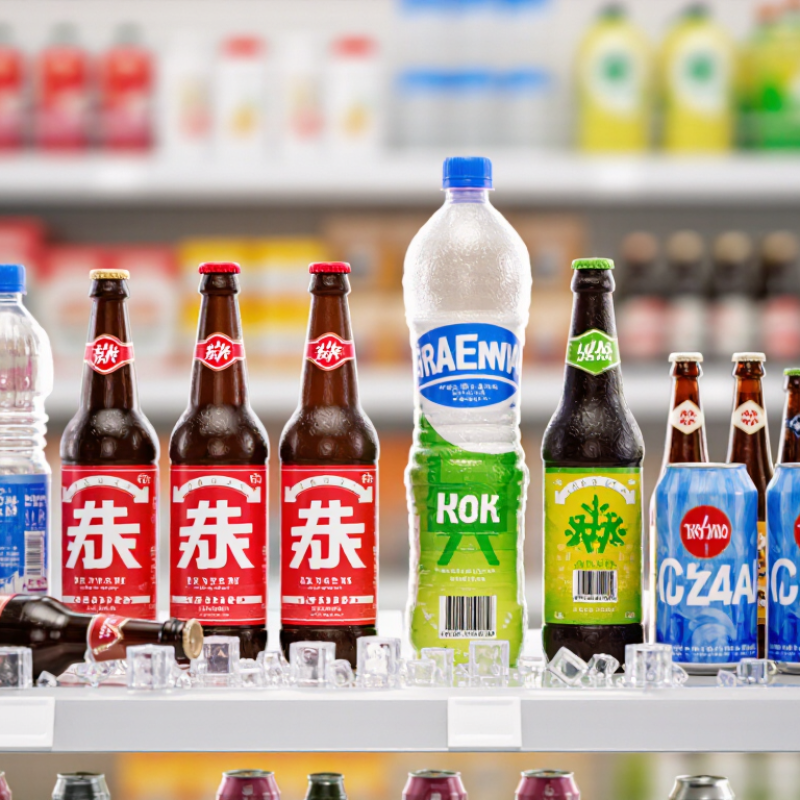
Beverage label manufacturing in China covers far more than printing colorful graphics. Suppliers serve bottled water, tea, juice, carbonated drinks, and functional beverages. They produce labels for PET bottles, glass containers, cans, and cartons. Common product types include pressure-sensitive labels, shrink sleeves, roll-fed labels, wet-glue labels, and in-mold labels. Materials may include coated paper, BOPP, PETG, PP, and aluminum-laminated films. Each material behaves differently during filling, chilling, transport, and recycling.
A reliable manufacturer should control color consistency, adhesive performance, cutting accuracy, and moisture resistance. I have found that sample testing often reveals more than a polished factory presentation. Check label adhesion on cold bottles. Test scuffing after condensation. Review batch records and inspection reports. Food-contact compliance, traceability, and ink safety also require documented evidence. A supplier may claim strong quality control, yet small print variations can still appear between production runs. That weakness deserves discussion, not concealment. Equipment age, order volume, and export experience can also affect delivery reliability.
Tips: Request a physical sample on your actual bottle. Confirm the label’s storage temperature range. Ask for material specifications and test results. Compare several production batches before approving large orders. Do not select from a “top ten” list alone. Your beverage shape, filling process, shelf conditions, and packaging goals should guide the final choice.
Industry-oriented overview of beverage label formats, materials, printing processes, applications, and compliance considerations in China.
| No. | Label Category | Typical Substrate | Common Beverage Uses | Main Production Methods | Key Manufacturing Considerations |
|---|---|---|---|---|---|
| 1 | Pressure-Sensitive Labels | Self-adhesive paper, BOPP, PET, or PE film | Water, juice, dairy drinks, functional beverages, and glass-bottle products | Flexographic, offset, digital, and hybrid printing | Adhesive selection, condensation resistance, die-cut accuracy, and clean application at line speed |
| 2 | Shrink Sleeve Labels | PETG, PVC, OPS, or recyclable polyolefin film | PET bottles, shaped containers, energy drinks, tea, and ready-to-drink beverages | Rotogravure, flexographic, and digital printing followed by seaming | Shrink ratio, sleeve registration, perforation quality, and compatibility with bottle recycling systems |
| 3 | Roll-Fed Wraparound Labels | BOPP or other polypropylene films | High-volume PET beverage bottles, water, soft drinks, and tea | Rotogravure or flexographic printing with hot-melt or solvent-based application | Low material cost, accurate overlap, controlled tension, and stable high-speed application |
| 4 | In-Mold Labels | Polypropylene film integrated during container molding | Rigid plastic cups, tubs, and selected beverage containers | Offset or flexographic printing with injection or thermoform molding | Mold compatibility, label positioning, static control, and integrated production planning |
| 5 | Wet-Glue Paper Labels | Coated, uncoated, metallized, or specialty paper | Glass bottles, beer, traditional beverages, and premium packaged drinks | Offset, flexographic, gravure, and specialty finishing | Paper strength, moisture resistance, glue performance, and resistance to label lifting or wrinkling |
| 6 | Aluminum Can Labels and Decoration | Coated aluminum surfaces or applied film labels | Carbonated soft drinks, beer, energy drinks, and canned tea | Metal decorating, offset printing, varnishing, and specialty coating | Ink adhesion, abrasion resistance, color control on metal, and compatibility with can-forming processes |
| 7 | Direct-Printed Bottle Graphics | Glass, PET, HDPE, or other container surfaces | Premium water, spirits, specialty drinks, and reusable glass packaging | Screen, pad, offset, or digital direct-to-object printing | Surface treatment, ink curing, container geometry, scratch resistance, and print registration |
| 8 | Digital Variable-Data Labels | Digital paper, BOPP, PET, and other coated films | Limited editions, regional packaging, promotional campaigns, and small-batch beverages | Inkjet or electrophotographic digital printing | Short-run efficiency, variable graphics, barcode readability, version control, and data security |
| 9 | Security and Anti-Counterfeit Labels | Security paper, films, holographic material, and tamper-evident stocks | Premium spirits, imported beverages, high-value functional drinks, and regulated products | Security printing, variable-data printing, holography, and serialized coding | Unique identifiers, authentication layers, tamper evidence, traceability, and controlled data management |
| 10 | Sustainable and Wash-Off Labels | Lightweight films, recyclable papers, low-migration inks, and washable adhesive systems | Reusable glass bottles, recyclable PET containers, water, juice, and beverage multipacks | Flexographic, offset, digital, and adhesive-coating technologies | Material reduction, recyclability, de-inking or wash-off performance, food-contact suitability, and lifecycle impact |
Industry Scope: Beverage label manufacturing in China commonly covers material converting, artwork prepress, printing, coating, lamination, die-cutting, slitting, inspection, coding, and packaging-line compatibility. Product selection depends on the beverage category, container material, filling process, storage conditions, required shelf life, recycling route, and applicable food-contact and labeling requirements.
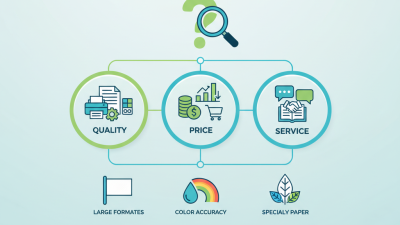
A reliable evaluation begins with production evidence, not attractive websites. Visit the factory when possible. Check printing lines, inspection stations, storage conditions, and batch records. Experienced buyers should request samples from different production dates. Color consistency matters. So does adhesive performance on cold, wet bottles. A label that looks sharp in a showroom may wrinkle inside a refrigerated display.
Material selection deserves technical review. Ask whether the manufacturer can provide food-contact documentation, ink specifications, and migration test reports when required. Confirm compliance with the destination market’s packaging rules. Examine barcode readability, small text, varnish coverage, and resistance to water, ice, and friction. Testing should reflect real handling, including condensation and transport vibration. Shortcuts often appear here.
Capacity is another practical measure. Compare minimum order quantities, lead times, spare production capacity, and emergency response procedures. Traceability should connect raw materials, operators, inspection results, and shipping records. Clear communication is equally important, especially when artwork changes. Sustainability claims need proof, such as recycled-content records or waste-reduction data. A perfect score is unrealistic. Some manufacturers may excel in premium finishes but struggle with short runs. Others may offer fast delivery yet provide weaker documentation. Weigh each weakness against the beverage’s market, volume, shelf conditions, and compliance risk. Request references from comparable projects, while remembering that one successful order does not prove consistent performance.
China’s top 10 beverage label manufacturers are best assessed through capability, not visibility. Their profiles commonly include pressure-sensitive label specialists, shrink-sleeve converters, wet-glue printers, and digital short-run producers. Several also offer multilayer films, tamper-evident seals, and recyclable paper options for bottled drinks.
Grand View Research valued the global labels market at about USD 49.8 billion in 2023. Its forecast also indicates steady growth through 2030, supported by beverage packaging demand. Smithers’ industry analysis highlights stronger demand for high-resolution printing, variable data, and lighter label materials. These trends shape China’s leading supplier profiles. The strongest manufacturers usually combine flexographic and gravure presses, automated inspection, color management, and stable adhesive testing. Some facilities can produce thousands of label rolls daily. Others focus on smaller, customized batches for regional beverage companies.
Quality control remains decisive. A reliable producer checks ink adhesion, barcode readability, migration risks, and performance in cold, wet conditions. PMMI packaging research also identifies sustainability and production efficiency as major buyer concerns. However, “top 10” lists are rarely fully transparent. Rankings may reflect export volume, certifications, technology, or online visibility. That weakness deserves attention. A polished sample does not prove consistent delivery. Buyers should request recent test records, factory evidence, and batch-level inspection data before selecting a manufacturer.
China’s top ten beverage label manufacturers should be compared by materials, printing control, and customization depth. In factory evaluations, I usually inspect substrate storage, adhesive samples, and finished rolls. BOPP resists moisture well, making it suitable for chilled bottles. PET offers strength and stable performance around curved containers. Paper labels feel warmer, but condensation can weaken their appearance. Shrink sleeves create strong shelf coverage, although recycling considerations require careful material choices.
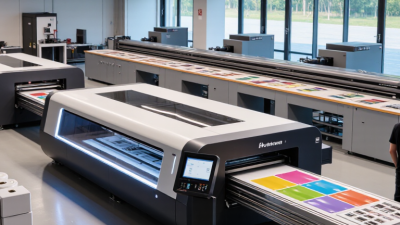
Printing methods affect both appearance and production risk. Flexographic printing suits large volumes and consistent colors. Gravure can deliver dense coverage and fine image detail. Digital printing supports short runs, seasonal designs, and multiple versions without expensive plates. I check color proofs under controlled lighting, not only on a computer screen. Small differences become obvious beside a refrigerator. Some manufacturers offer matte coatings, spot varnish, metallic effects, embossing, and tactile finishes. Results still depend on artwork preparation and ink compatibility.
Customization service often separates capable suppliers from ordinary ones. Reliable manufacturers should provide prototypes, die-line support, adhesive testing, and clear production tolerances. They should also share food-contact documentation and quality records. Variable QR codes, multilingual layouts, and unusual label shapes need early technical review. Low minimum orders sound attractive. They may increase unit costs. I have also seen beautiful samples fail during bottle application. That remains a useful warning: customization is valuable only when materials, machinery, and delivery conditions match.
This comparison uses representative commercial thickness ranges for common beverage-label substrates. Paper is economical and printable, while BOPP, PE, PET, and PVC provide stronger moisture resistance. Flexographic and gravure printing are widely used for high-volume production, whereas digital printing supports short runs, variable data, and faster customization. Actual specifications depend on the converter, adhesive, ink system, bottle surface, and recycling requirements.
How to Choose a Reliable Beverage Label Manufacturer in China
Choosing a beverage label manufacturer in China requires more than comparing quotations. Smithers projects the global label market to exceed US$60 billion by 2028, increasing pressure on suppliers to deliver consistent quality and faster production. Ask for recent samples, not only digital images. Check color stability, adhesive performance, barcode readability, and resistance to ice water. A reliable factory should explain its material choices clearly.
Request a complete production workflow. It should include artwork checking, cylinder or plate control, press inspection, die-cutting, and final sampling. For bottled drinks, test labels after refrigeration, condensation, and transport vibration. The adhesive may look acceptable at room temperature, yet fail inside a cold display cabinet. That detail matters.
Small tests help.
Review the manufacturer’s quality records and relevant certifications, such as ISO 9001 or food-contact documentation when applicable. The supplier should provide traceable batch numbers and a practical complaint process. Ask about equipment maintenance, inspection frequency, and production capacity during peak seasons. Industry data from Smithers also highlights continued growth in pressure-sensitive and flexible labeling, making process capability increasingly important. However, capacity claims can be overstated. I would verify them through a live video tour, a pilot order, and independent inspection. A low price can hide unstable ink, weak adhesive, or excessive waste. Reliable cooperation is built from evidence, not promises.