Top 10 Labels for Printing for Global Buyers?
Choosing the right labels for printing is a practical sourcing decision, not a simple ranking exercise. Global buyers must balance print quality, material performance, order volume, delivery distance, and regulatory expectations. A food label may need moisture resistance, while a logistics label must survive friction, scanning, and warehouse handling. Small details matter. Adhesive failure can ruin an otherwise excellent package.
Mike Fairley, a respected label industry analyst and founder of Labels & Labeling, has often emphasized that “the label is often the first point of contact between a product and its buyer.” That viewpoint shapes this guide. The top 10 labels for printing are assessed through real purchasing concerns, including paper and film substrates, flexographic and digital printing, color consistency, barcode readability, finishing options, and environmental claims. Buyers should also request material specifications, production samples, and documented quality controls before placing large orders.
No ranking fits every market. That is worth remembering. A premium wine brand may value textured paper and foil details, while a chemical container needs strong adhesion and clear hazard information. Regional recycling systems also differ, sometimes making a popular material less suitable elsewhere. Even experienced buyers can overlook storage conditions, ink durability, or temperature changes during shipping. This guide therefore combines common industry knowledge with practical selection criteria, helping global purchasers compare suppliers more carefully and avoid decisions based only on appearance or the lowest quoted price.
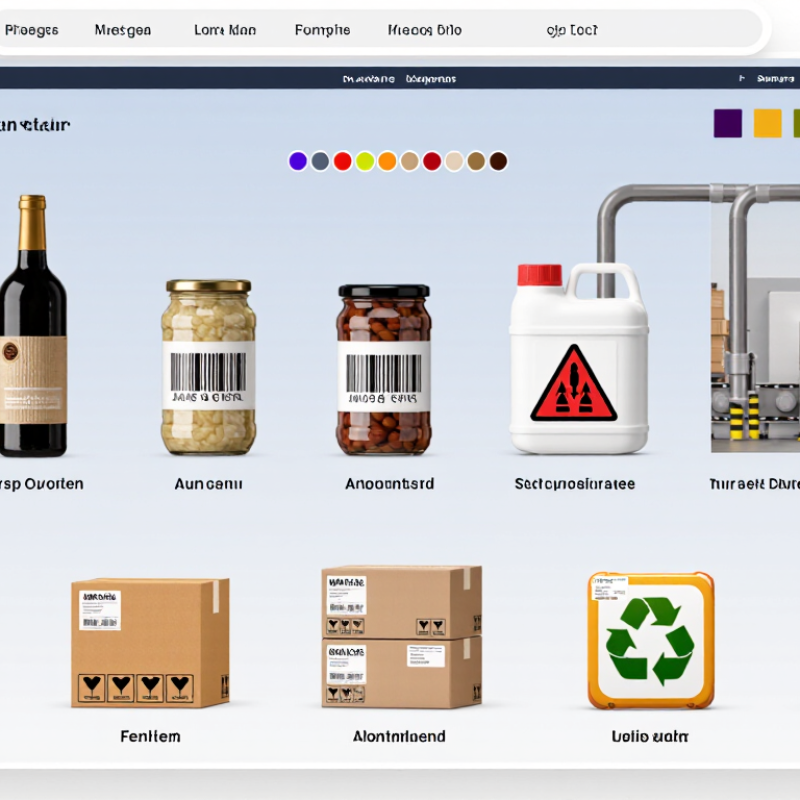
What Global Buyers Should Know About Printed Label Types
Printed labels do more than decorate packaging. They carry product facts, handling details, traceability data, and a buyer’s quality promise. Global buyers should match each type to the package surface, storage conditions, and reading distance. One format rarely fits every market.
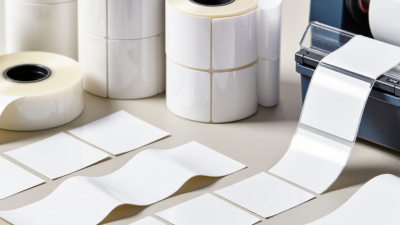
Paper labels suit dry indoor goods and provide crisp text at a controlled cost. Film labels resist moisture, oil, and light. Pressure-sensitive labels apply quickly, while wraparound labels suit curved containers. Shrink-sleeve labels cover unusual shapes, but heat can affect some packages. Hang tags need no adhesive; booklet labels provide space for several languages. Direct thermal labels print variable data quickly, yet heat and sunlight may darken them. Thermal transfer labels usually last longer with the correct ribbon. Tamper-evident labels show visible disturbance after opening.
Adhesive choice deserves equal attention. A label may look perfect in a sample room, then lift from cold plastic. Request samples on the actual container, not a similar one. Test rubbing, condensation, stacking, and temperature changes. Check barcode readability after transport. Small text often fails first. It is easy to blame the printer, but artwork, coating, and surface preparation also matter. Ask for material specifications, ink suitability, color references, and inspection records. Regional recycling expectations may affect material selection. Confirm current requirements with local specialists. There is no universal best label. A cheaper option can become expensive after rework or rejected shipments.
The Top 10 Label Formats for Different Products and Markets
Top 10 Labels for Printing for Global Buyers
The Top 10 Label Formats for Different Products and Markets
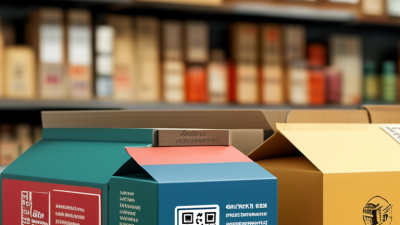
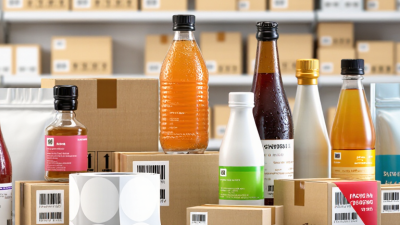
Choosing a label format starts with the product, packaging surface, and selling environment. Pressure-sensitive labels suit bottles, jars, cartons, and flexible pouches. Roll-fed labels work well for high-speed beverage production. Sheeted labels fit short runs, samples, and regional packaging. Shrink-sleeve labels cover curved containers and provide strong shelf visibility. Wrap-around labels are practical for cans, tubes, and simple cylindrical packs.
In-mold labels bond with selected plastic containers during forming. Booklet labels provide extra space for instructions, ingredients, or multilingual information. Hang tags add product details without adhesive contact.
Thermal-transfer labels support durable shipping, warehouse, and retail identification. Direct-thermal labels suit temporary logistics information, but heat and sunlight can reduce readability.
Each format needs suitable adhesives, inks, coatings, and material thickness. Climate matters too. Humidity can affect curling, adhesion, and print sharpness.
Tips: Test labels on the real package before ordering. Rub, bend, chill, and expose samples to moisture. Check barcode contrast and small text at actual viewing distance. Confirm local recycling marks and required product information with a qualified specialist. A perfect format rarely exists. One mistake I still see is choosing a beautiful label that fails during transport. Leave room for correction. Market feedback may reveal that a simpler label performs better than an expensive finish.
How Regulations and Sustainability Shape International Label Choices
Top 10 Labels for Printing for Global Buyers?
For global buyers, label selection now depends on regulations as much as appearance. Paper, film, removable, thermal, and smart labels each create different recycling outcomes. The European Union’s Packaging and Packaging Waste Regulation entered into force in 2025, with broader application scheduled for August 2026. It increases pressure on packaging recyclability, material reduction, and clearer disposal information. Buyers should request documented material specifications, not general sustainability claims.
The OECD’s Global Plastics Outlook reports that only 9% of plastic waste was recycled globally in 2019. That figure makes label construction important. A dark adhesive, oversized liner, or incompatible coating can reduce recovery value.
In practical sourcing tests, a label that performs well on a cold warehouse pallet may fail on humid containers. Small trials matter. They expose weak assumptions early.
Eurostat reported 186.5 kilograms of packaging waste per person in the European Union in 2022. This growing waste stream makes lightweight labels attractive, but lighter is not automatically better. A thinner film may tear, causing reprints and extra transport emissions. Buyers should compare durability, recyclability, ink chemistry, liner recovery, and regional disposal systems. No label choice is perfect. Some supplier claims still need independent verification.
How to Compare Suppliers, Costs, and Production Capabilities
Top 10 Labels for Printing for Global Buyers
Global buyers often compare ten popular label types: product, barcode, shipping, carton, asset, address, thermal, roll, sheet, and adhesive labels. The right choice depends on application, surface, climate, and print volume. A supplier should explain adhesive strength, material thickness, ink durability, and finishing options clearly.
Compare suppliers through samples, not promises. Request identical artwork on paper, film, and textured stock. Test a 50 mm label on glass, cardboard, and a plastic container. Check peeling, smudging, color consistency, and barcode scanning after refrigeration or handling. Ask about minimum order quantities, plate fees, tooling, packaging, and delivery terms. A low unit price may hide setup costs. Production capability matters too. Confirm digital or flexographic equipment, inspection procedures, color references, and monthly capacity. I once trusted a sample that looked perfect, but the larger batch showed uneven coating. That mistake changed my buying checklist.
Tips: Ask for a written quotation with every fee included. Compare the landed cost, not only the factory price. Request a production timeline with approval and shipping stages. Confirm whether the supplier can repeat the same color months later. Keep a signed sample. It prevents arguments. Also review export documents and destination labeling requirements with a qualified local adviser. Requirements can differ widely, and assumptions are risky. Allow time for one correction round, because artwork errors still happen.