What Are the Top Packaging Labels Suppliers in China?
China has become a major sourcing base for packaging labels, serving food, beverage, cosmetics, pharmaceutical, and industrial brands. Its supplier network includes large factories, specialized converters, and smaller printing workshops. The difference is not always visible in a catalog.
This guide examines the top packaging labels suppliers in China through practical buying criteria. These include printing consistency, adhesive performance, material traceability, color control, sampling speed, and export experience. A strong supplier should provide clear specifications, realistic production timelines, and repeatable quality. It should also explain limitations before accepting an order. That matters. A beautiful sample can still fail on a cold bottle, curved jar, or dusty carton.
Packaging strategist Mike Ferrari is often credited with saying, “Packaging is the silent salesman.” His observation remains useful for labels. A label must attract attention, communicate essential information, and survive handling without curling, fading, or peeling. The best Chinese suppliers understand this balance. They combine flexographic, digital, offset, or gravure printing with suitable papers, films, coatings, and adhesives.
Still, supplier selection is rarely perfect. Price comparisons can hide differences in waste, inspection, and delivery reliability. Online reviews may also present an incomplete picture. This overview therefore considers more than production capacity. It looks at verifiable experience, technical support, quality systems, communication, and responsible manufacturing practices. Buyers should request samples, confirm tolerances, and test labels in real conditions. That small step can prevent expensive surprises.
Types of Packaging Labels Offered by Chinese Suppliers
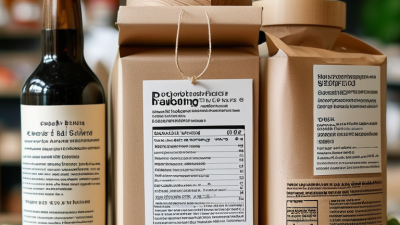
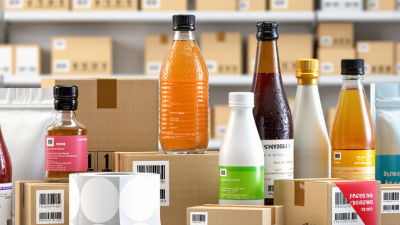
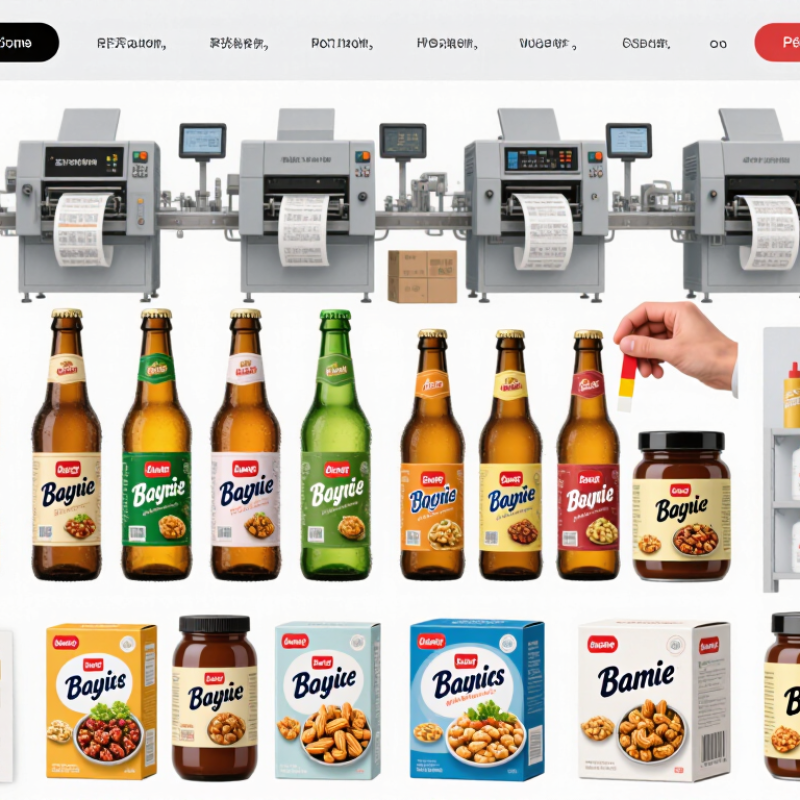
Chinese packaging label suppliers offer several formats for different products, surfaces, and shipping conditions. Paper labels suit cartons, jars, and short-term retail packaging. Film labels work better on bottles, chilled products, and curved containers. They resist moisture, scuffing, and moderate temperature changes.
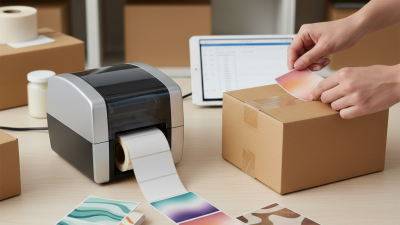
Suppliers also produce transparent, metallic foil, removable, tamper-evident, and thermal-transfer labels. Clear labels create a printed-directly-on-the-package effect. Foil labels add contrast to dark boxes. Removable versions support temporary promotions or reusable containers. Tamper-evident constructions show visible damage after opening. Thermal labels support barcodes, batch details, and changing logistics data.
Finishing options include matte coating, gloss varnish, embossing, and spot effects. These details affect both appearance and handling. In practical sourcing, I request samples on the actual packaging material. Adhesive selection is easy to underestimate. A label may stick well to cardboard but lift from dusty plastic. Suppliers should provide adhesive data and test results for humidity, cold storage, and rubbing. Samples can reveal problems that digital proofs hide.
Many Chinese factories now offer water-based inks, recycled paper, and thinner film constructions. These options can reduce material use, but sustainability claims need verification. I still ask for composition details, production tolerances, and inspection records. Small color differences may appear between batches. That imperfection deserves discussion before mass production.
Packaging Label Types Commonly Offered by Chinese Suppliers
This comparison uses a qualitative 1–5 suitability scale based on widely recognized material characteristics. Paper labels provide strong printability at a lower moisture resistance, while PP, PE, PET, BOPP, and metallized films are commonly selected for applications requiring greater durability, moisture resistance, or visual impact.
Key Factors for Evaluating Packaging Label Manufacturers
Selecting packaging label suppliers in China requires more than comparing unit prices. Grand View Research estimates the global self-adhesive labels market reached about USD 48.9 billion in 2023, with continued growth through 2030. This expansion increases supplier choices, but quality can vary sharply. Ask for ISO 9001 certification, production records, and recent inspection reports. A factory visit can reveal practical details, such as dust near coating lines or poorly stored adhesive rolls. Small signs matter.
Material expertise should match the package. Evaluate adhesive performance on glass, corrugated board, plastic, and recycled surfaces. Request test results for moisture, heat, abrasion, and freezer exposure. The Association of Plastic Recyclers warns that incompatible labels and adhesives can disrupt recycling processes. Therefore, suppliers should explain face-stock composition, liner weight, ink systems, and removability. Their answers should be specific, not promotional.
Production control is equally important. Review color-management procedures, barcode verification, die-cut accuracy, and batch traceability. GS1 guidance emphasizes reliable barcode quality for scanning across supply chains. Request a pilot order before signing a large contract. Measure roll tension, winding quality, print consistency, and delivery accuracy. Do not trust samples alone. Samples are staged. A supplier’s corrective-action process may reveal more than its showroom. Also examine communication speed, change-control discipline, export experience, and willingness to document failures. Perfect suppliers are unlikely; transparent ones are more dependable.
Leading Packaging Label Suppliers in China
Leading Packaging Label Suppliers in China
China’s leading packaging label suppliers combine material expertise, stable production, and responsive export service. Smithers’ 2024 study estimates that global label demand will exceed US$50 billion by 2028. This growth is increasing demand for pressure-sensitive, shrink-sleeve, wraparound, and digitally printed labels.
Strong suppliers usually provide color-managed proofing, barcode verification, adhesive testing, and batch traceability. Their factories may use flexographic presses for high-volume orders and digital presses for shorter runs. A practical audit should examine ink adhesion, roll tension, edge quality, and storage conditions. ISO 9001 systems are useful, but certificates alone prove very little. I would not treat one factory visit as complete evidence. A supplier can pass one test and fail another during humid transport.
Tips
Request a production sample before approving artwork. Test it on the actual bottle, carton, or pouch. Confirm minimum order quantities, lead times, core sizes, and replacement procedures in writing. Ask for recent inspection records, not only promotional claims. Smithers also highlights sustainability and digital conversion as important market trends, so evaluate recyclable materials and variable-data capability carefully. The lowest quotation may be attractive, but hidden setup fees and inconsistent color can erase the savings.
How to Choose the Right Chinese Packaging Label Supplier
China offers a deep packaging label supply base, but price alone is a weak filter. Smithers’ 2024 market outlook forecasts continued global label growth, driven by food, logistics, healthcare, and e-commerce demand. That growth increases supplier choice and buyer risk.
Check material control before negotiating. Ask for paper, film, adhesive, and ink specifications. A reliable supplier should provide batch records, color tolerances, and migration test documents when required. Request samples on your actual containers, not smooth laboratory sheets. Test them after refrigeration, moisture exposure, rubbing, and stacking. Small details matter.
Confirm production capacity through evidence. Review machine lists, inspection steps, lead-time records, and corrective-action reports. ISO 9001 certification can support process confidence, but it does not replace a factory audit. Smithers also identifies automation and sustainable materials as major label industry trends, so ask whether the supplier can handle variable data, thinner materials, or recyclable structures. Be careful with vague environmental claims. The Global Recycling Foundation notes that recyclability depends on the complete packaging system, not one label alone.
Communication deserves equal attention. A capable supplier should clarify artwork files, winding direction, roll cores, carton markings, and shipment terms. Ask for a pilot order before committing to annual volumes. A cheap quotation may hide high waste or inconsistent color. I would not trust perfect promises without records. Supplier selection is partly technical judgment and partly disciplined doubt.