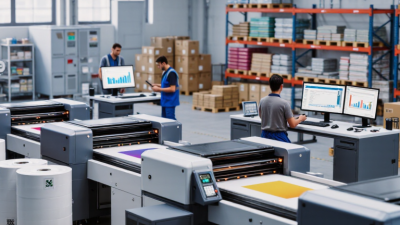
Choosing how to produce business materials affects more than their appearance. A well-made menu, brochure, or package can help customers understand an offer and remember a brand. A printing shop can turn digital files into practical items, with guidance on paper, finishes, sizes, and quantities. Small details matter.
For example, a café may need menus that resist frequent handling, while a new service business may want clear, readable flyers for a local event. A knowledgeable print provider can explain the trade-offs between heavier stock, protective coatings, and cost. They can also review file dimensions, margins, and color settings before a full run begins. Ask for a proof when accuracy is important. It can reveal a misplaced line or a color that looks different on paper.
Working with a local or specialist provider may also make communication easier. You can discuss deadlines, compare samples, and clarify delivery arrangements before approving the job. Still, a printing shop is not automatically the right choice for every project. Small, urgent updates may be simpler to print in-house, and prices can vary by quantity and specification. Request a written quote and check what it includes. Consider how the finished materials will be used, not just how they look on screen. With clear requirements and careful review, print can support a consistent, professional impression—though planning takes a little effort.
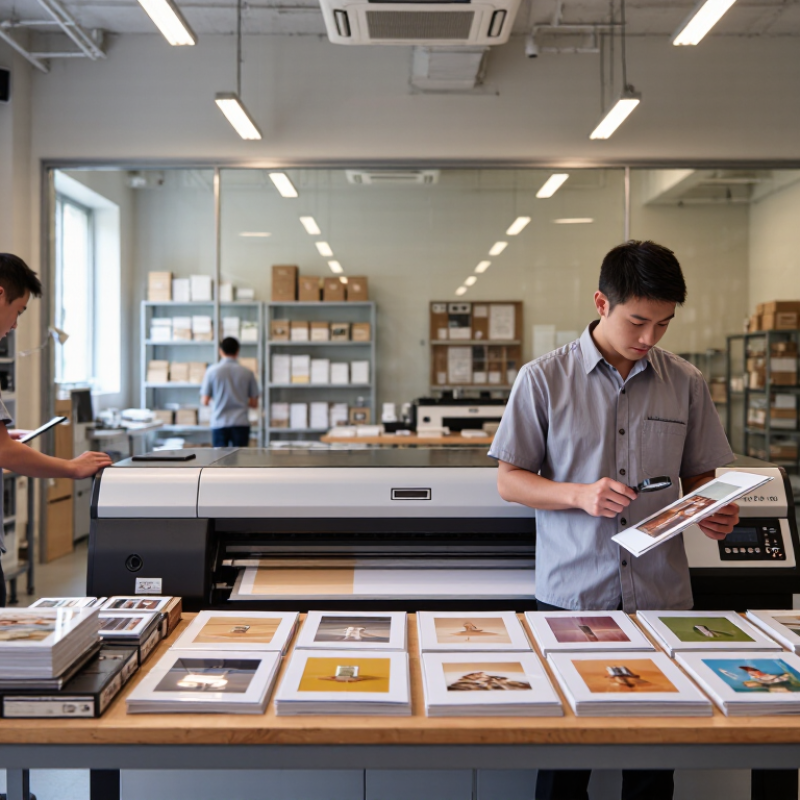
A professional printing shop can handle more than copies. Services often include design checks, digital and offset printing, color matching, binding, finishing, and delivery. A shop can also recommend paper by weight and texture: a sturdy matte stock suits a service brochure, while a lighter sheet may work better for event flyers. Ask for a physical proof when color or fine detail matters. Screens can make colors look brighter than they appear on paper. Small details count.
Print remains a substantial market, though forecasts are not guarantees. Smithers’ 2023 report, The Future of Global Printing to 2028, projected the global print market would grow from $818 billion in 2019 to $874 billion in 2024. That outlook helps explain why shops offer varied production methods: short digital runs can suit changing promotions, while offset printing may be cost-effective for larger quantities. A knowledgeable provider can discuss trade-offs in price, turnaround, and finish. Still, no shop is right for every job; confirm capacity and delivery dates before approving an order.
Tips: Send print-ready files with fonts embedded and images at suitable resolution. Check names, dates, trim, and color on the proof. Then approve. A rushed review can leave an expensive mistake in every copy.
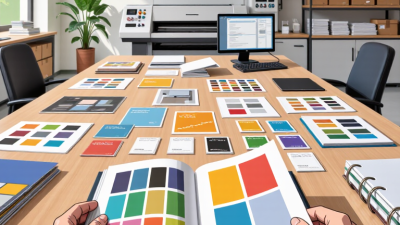
Professional printing gives business materials reliable color, crisp type, and a finish that feels deliberate. A shop can check a proof, recommend paper weight, and catch issues like tiny text before a large run. These details matter on menus, appointment cards, and product sheets handled under real lighting—not just on a screen.
The 2023 ANA Response Rate Report measured direct-mail response rates at 4.4% for house lists and 2.9% for prospect lists. Those figures are not a promise; targeting and offer quality still matter. Smithers’ global print-market analysis estimated the market at about $818 billion in 2022 and projected $846 billion by 2027, showing print remains a substantial business channel. A professional printer can help match quantity, finish, and paper to a practical budget. Ask for a physical proof, especially when brand colors or fine details matter. It is not magic. Print can also create waste when quantities are guessed badly, so start with a smaller run when demand is uncertain. That trade-off deserves attention.
A business’s printed materials often meet customers before its staff do. A printing shop can help keep business cards, menus, and brochures visually aligned. Share your logo files, color references, and examples of past materials. These details give the print team a clearer starting point.
Consistency lives in small choices. The same blue can shift between paper stocks, and glossy finishes may make colors appear brighter. A print professional can recommend suitable paper and check proofs before a full run. Review spacing, image sharpness, and text size under ordinary lighting. Small details matter. A test print can reveal issues that look invisible on a screen, such as faint text or a crowded margin.
Keep a simple record of approved colors, paper types, and layouts for future orders. This makes repeat printing easier, even when materials are ordered months apart. Still, matching color is not always exact across different inks and surfaces. We sometimes expect a screen preview to be a promise; it is only a guide. Ask the shop to explain any likely variation and review a physical proof when color accuracy matters.
Printed materials give customers something useful to hold, keep, or share. A neighborhood café might place a clear menu near the entrance, while a repair business could leave appointment cards with customers after a visit. Small details matter: readable type, a phone number that is easy to spot, and paper sturdy enough to survive a busy counter.
Brochures can explain services that need more than a quick online glance. A local studio, for example, might use a folded brochure to show class times, prices, and a simple map. At trade events, a one-page handout can give visitors the key facts without forcing them to remember a long conversation. Keep the message focused. Too much text makes even a well-designed piece hard to use.
Print is not magic. Poorly targeted flyers often go straight into a bin, and that is wasteful. Match each piece to a real customer moment: a coupon card inside a takeout order, a product sheet beside a sample, or a direct-mail postcard aimed at nearby households. Use a short web address or a trackable code to learn which pieces prompt responses. Check a physical proof before ordering; colors and small type can look different on paper. I still find that one practical detail is easy to miss: customers need a clear next step, not just a polished picture.
| Business Use | Printed Material | Typical Purpose | Useful Response Measure | Practical Consideration |
|---|---|---|---|---|
| Promoting a sale or event | Flyers and posters | Share dates, offers, location details, and calls to action in shops, community spaces, or event venues. | Offer redemptions, event attendance, or visits attributed to a printed code. | Keep the offer, dates, and next step easy to find; confirm display permissions before posting. |
| Introducing products or services | Brochures and product sheets | Explain features, options, pricing details, and service information in a format customers can keep. | Enquiries, quote requests, or bookings linked to a brochure or campaign code. | Use clear headings and readable type; check specifications and contact details before printing. |
| Supporting sales conversations | Business cards | Provide a compact way to share a person’s name, role, and contact information at meetings or networking events. | Follow-up enquiries or contacts recorded after meetings. | Include essential contact details and ensure names, numbers, and web addresses are current. |
| Improving packaging and order presentation | Labels, stickers, and package inserts | Identify products, provide handling or product information, and include care instructions or a thank-you message. | Repeat orders, customer enquiries, or visits to a printed landing-page address. | Choose suitable materials for the product and storage conditions; verify required product information. |
| Building local awareness | Door hangers and postcards | Deliver a concise offer or service message to a defined neighbourhood or customer list. | Responses using a unique offer code, phone number, or campaign URL. | Plan distribution carefully and follow applicable mailing, privacy, and local distribution rules. |
| Guiding visitors at a location | Signage and banners | Show directions, opening information, safety notices, or event messages in a physical space. | Visitor questions, sign-related enquiries, or completion of the intended visitor route. | Match size and material to viewing distance, placement, lighting, and indoor or outdoor conditions. |
| Maintaining customer relationships | Greeting cards and thank-you notes | Send a personal message after a purchase, appointment, referral, or business milestone. | Customer replies, repeat bookings, or repeat purchases over a defined period. | Use accurate recipient details and tailor the message to the customer relationship. |
Measurement note: Results depend on the audience, offer, distribution, and follow-up. Use unique response codes, campaign URLs, or dedicated contact details to help distinguish responses to printed materials.
Why Choose a Printing Shop for Your Business?
Factors to Consider When Choosing a Printing Shop
Choosing a printing shop is about more than finding the lowest price. Start with the work you need: business cards, menus, product labels, or large signs. Ask whether the shop has handled similar materials and sizes. Ask to see samples. Check color consistency, sharp text, clean cuts, and sturdy paper. Paper matters.
Next, compare quotes carefully. A useful quote should specify paper weight, finish, quantity, setup charges, and delivery costs. Ask for a proof before approving a large order. Colors can look different on screen, and a small typo can become an expensive stack. Paper feel is still hard to judge from a screen, so a physical sample may help.
Timing and communication matter, too. Confirm the expected completion date and ask how the shop handles revisions or reprints if an error occurs. Notice whether staff answer questions clearly and flag problems in your files. A very low quote may leave out important details; a higher one is not automatically better. The best fit depends on your deadline, budget, and quality needs. I would still compare at least two quotes, though that takes time.